ANTHONY FIELDMAN, PHOTOGRAPHER

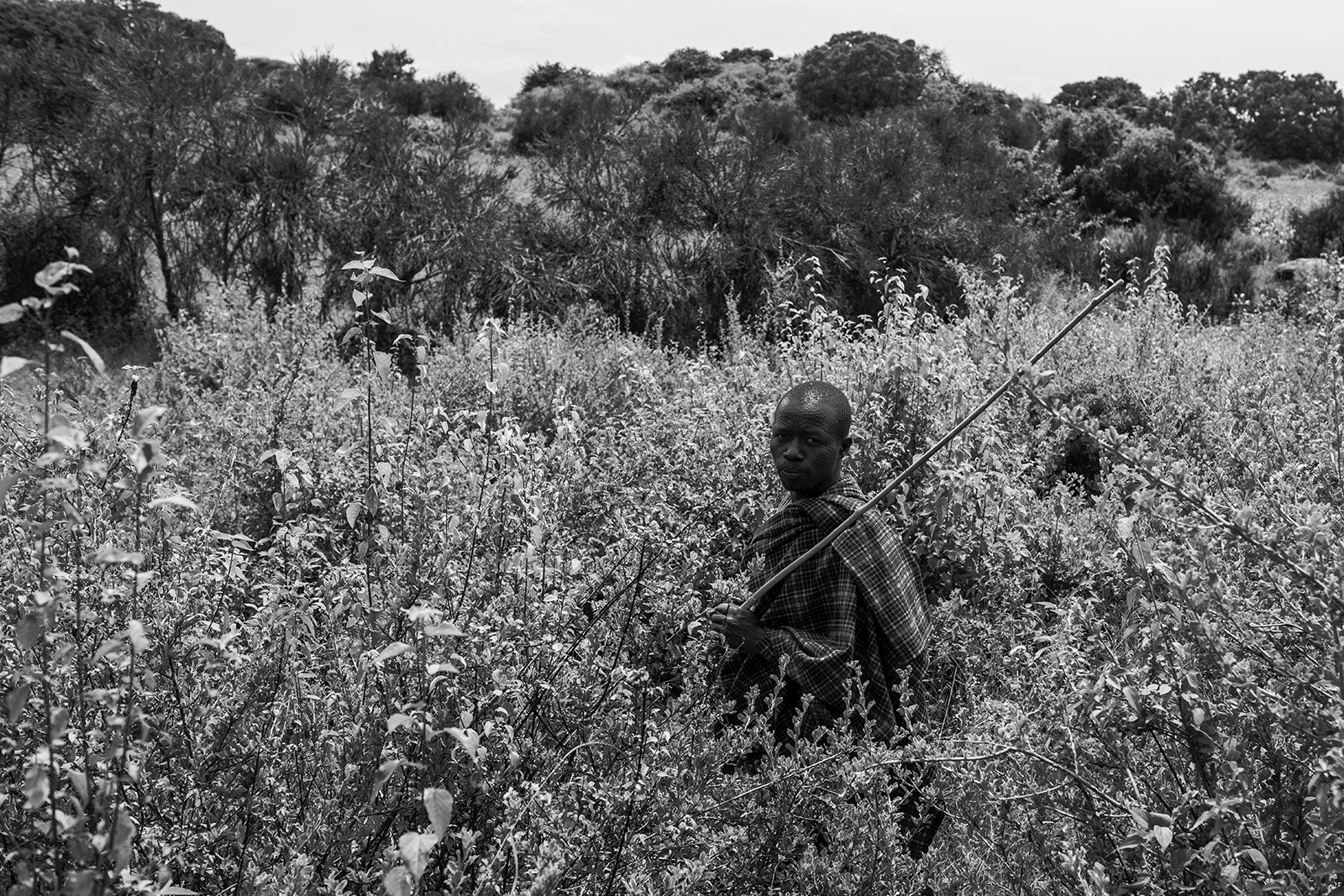
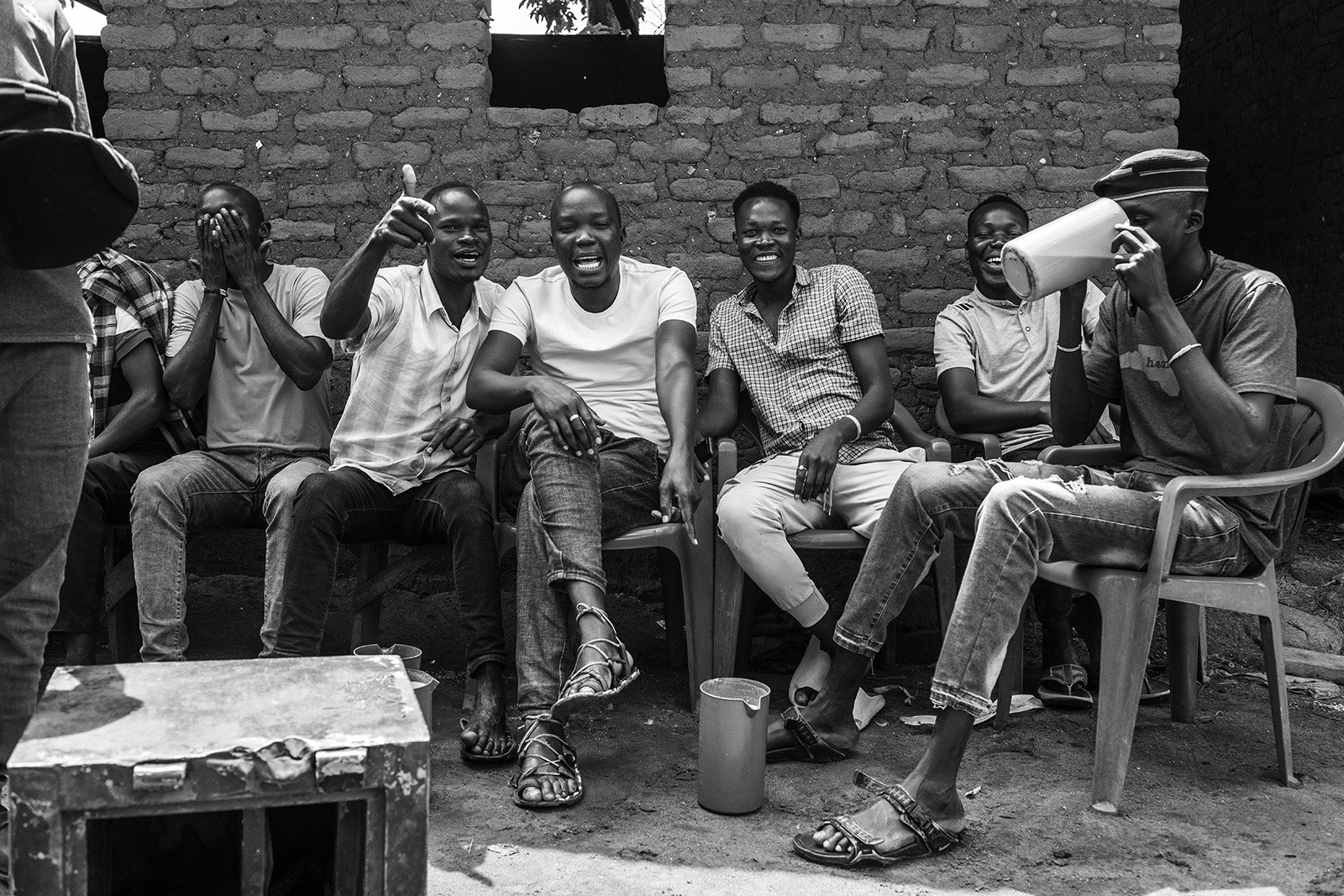
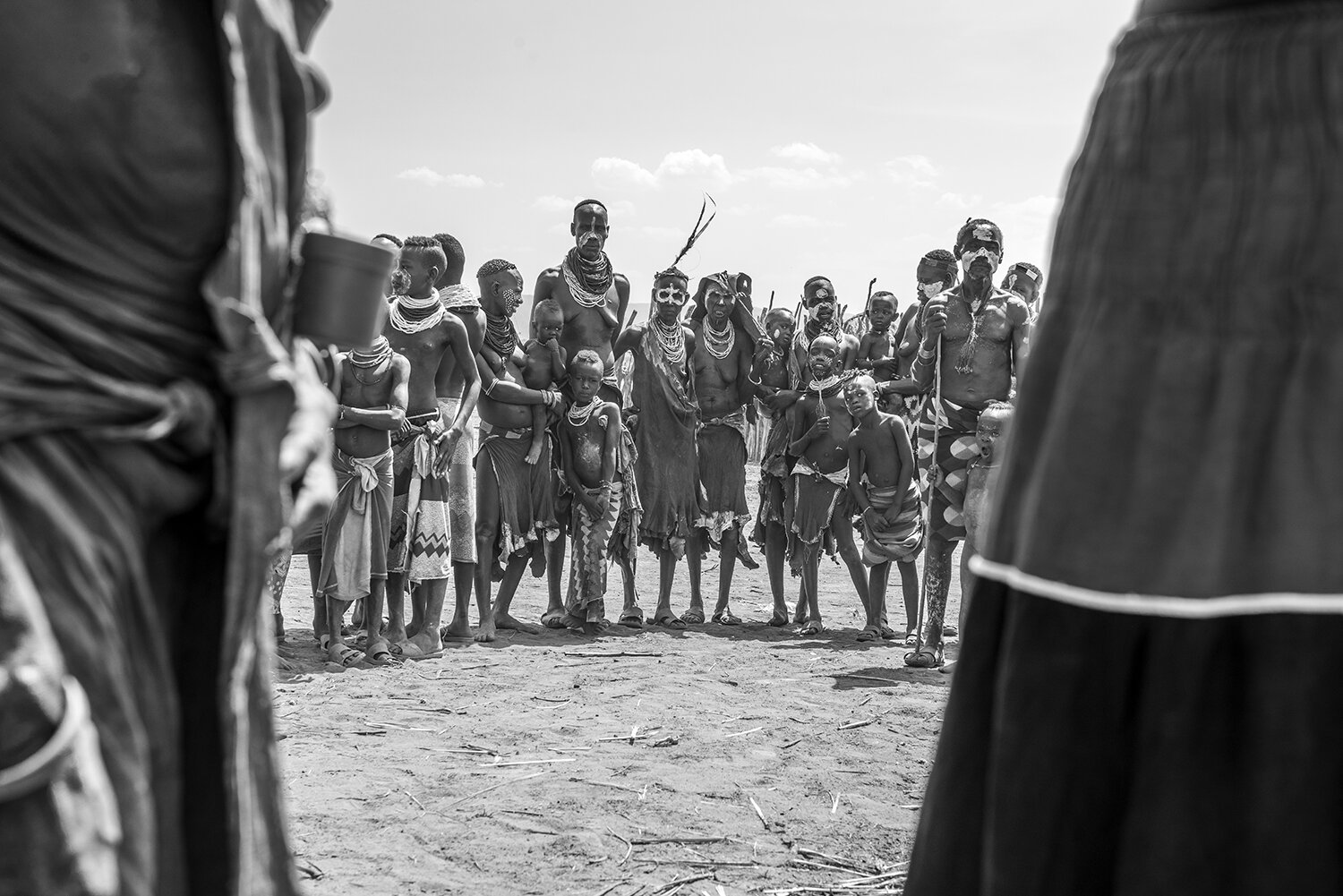
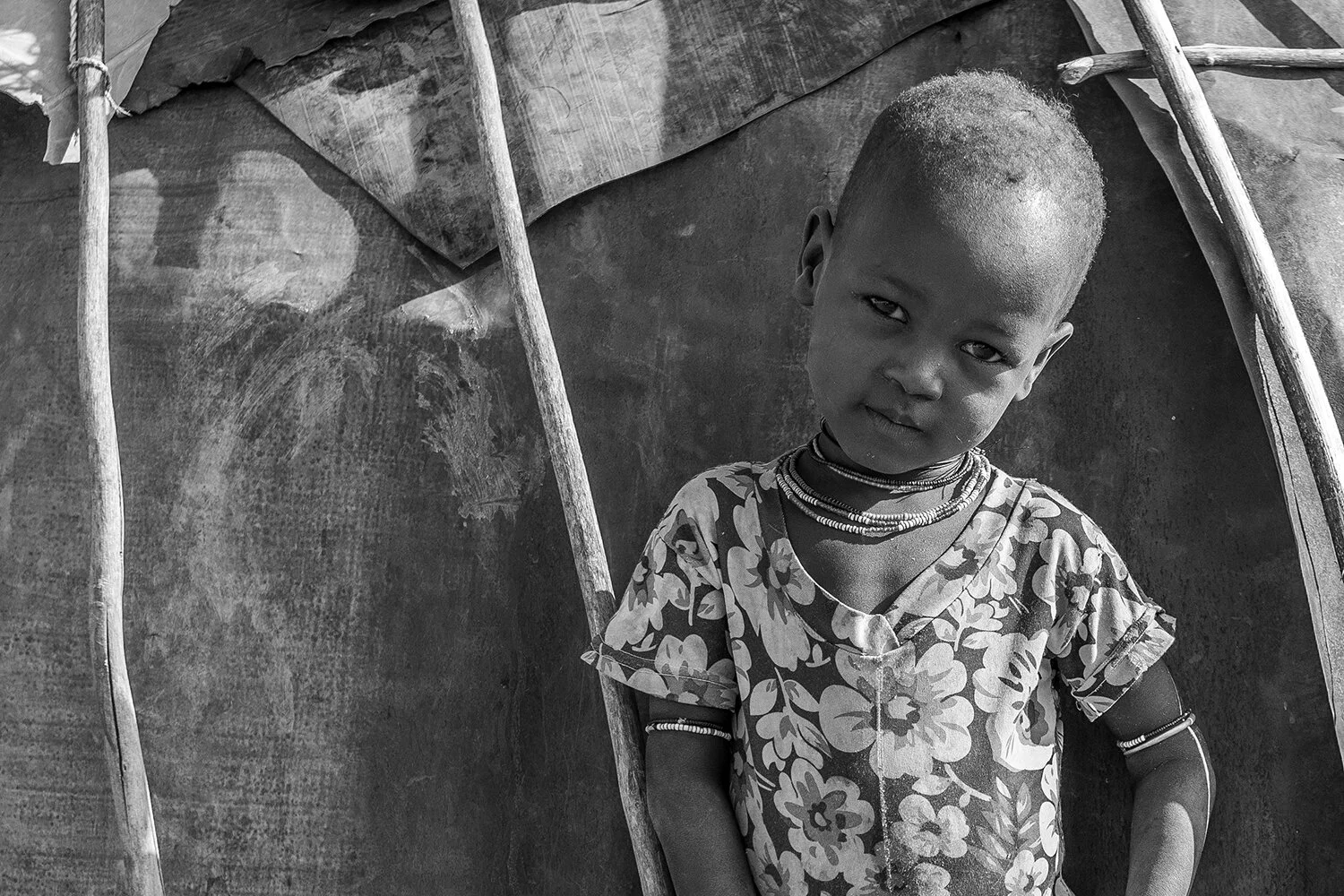
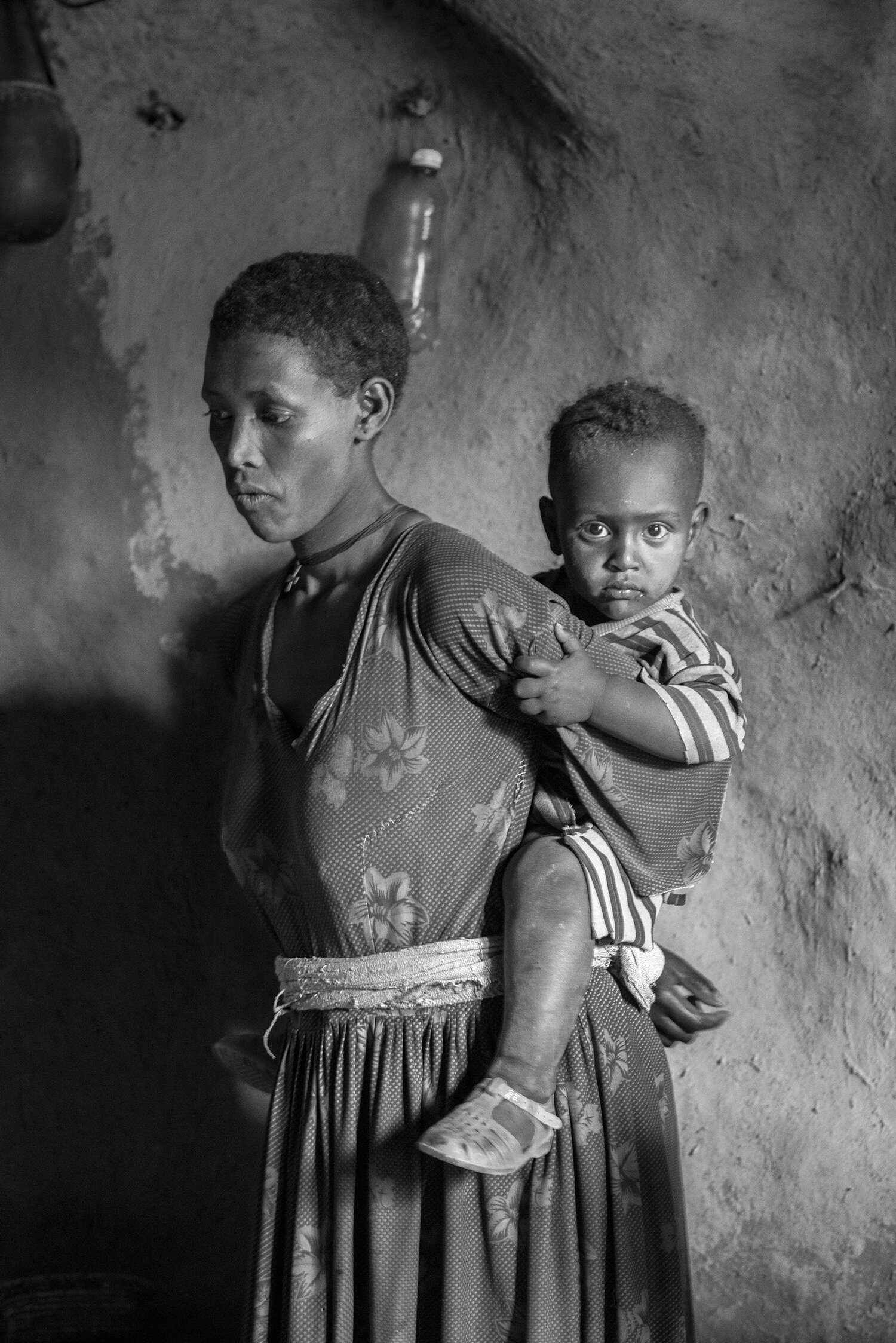
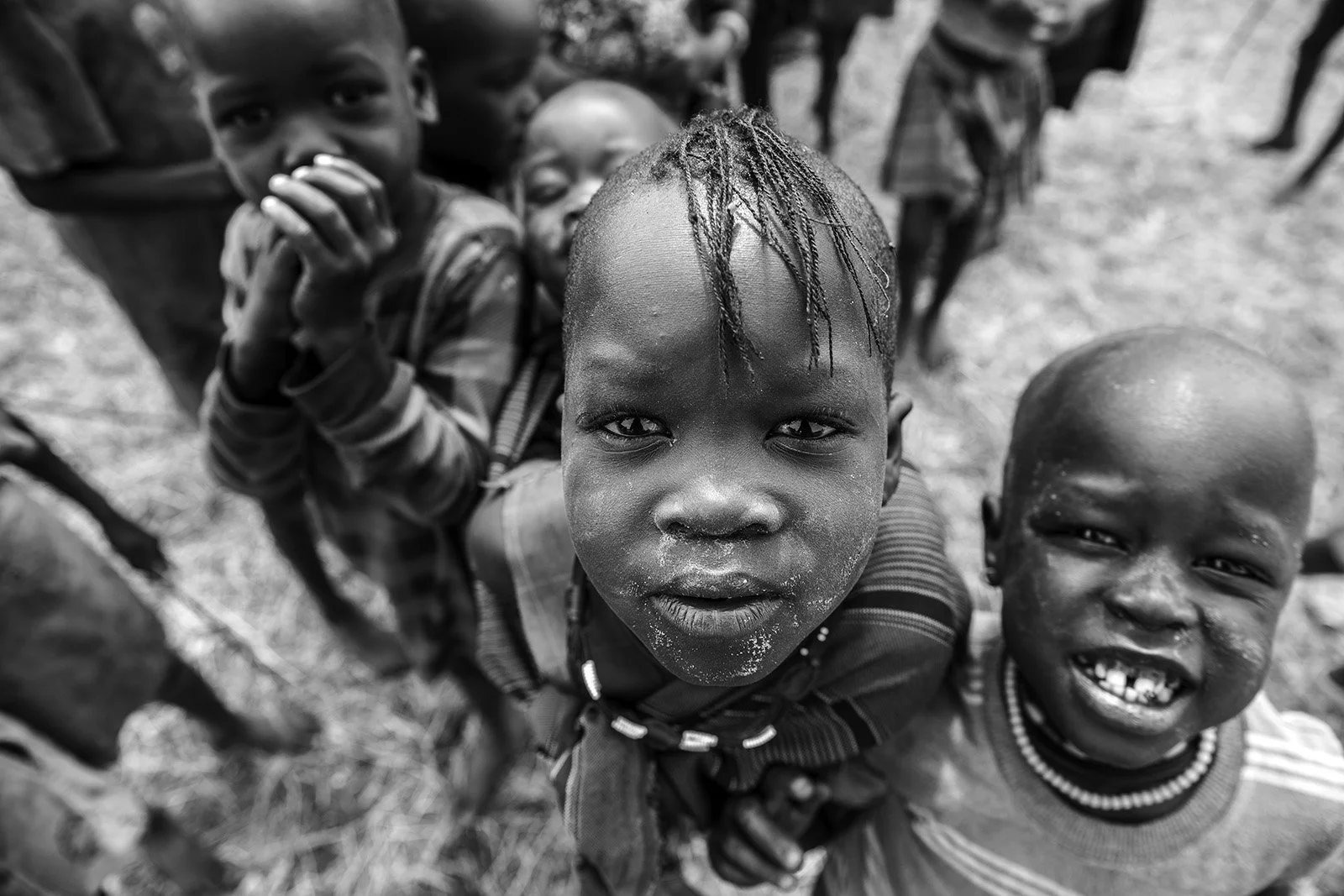
"The Pearl of Africa" is rich in so many ways. Situated on the equatorial green belt, 70% of the Nevada-sized nation is farmland, and 70% of its 48 million citizens are farmers. Both people and the land are fed by plentiful water that supports the world's third largest lake—Victoria—which is also the source of the Nile River. Uganda is the centerpiece of the Great Rift Valley, making Ugandans one of the most ancient people on Earth. Counting more than 50 tribes, from the dominant Bantu to the forest-dwelling Batwa, these also include the Northeastern Karamajong tribes such as the Dodoth, Ik and Jie whose images are featured here, and who descended from Ethiopia's southern Omo Valley. And yet: Uganda remains one of the world's poorest countries, dogged by lagging economic growth and the effects of civil disorder, led by an entrenched government that has remained in power for nearly a half century.
© Anthony Fieldman. All Rights Reserved.
For information about availability, editions and prints, contact anthony@nomadecivilisee.com
Statement
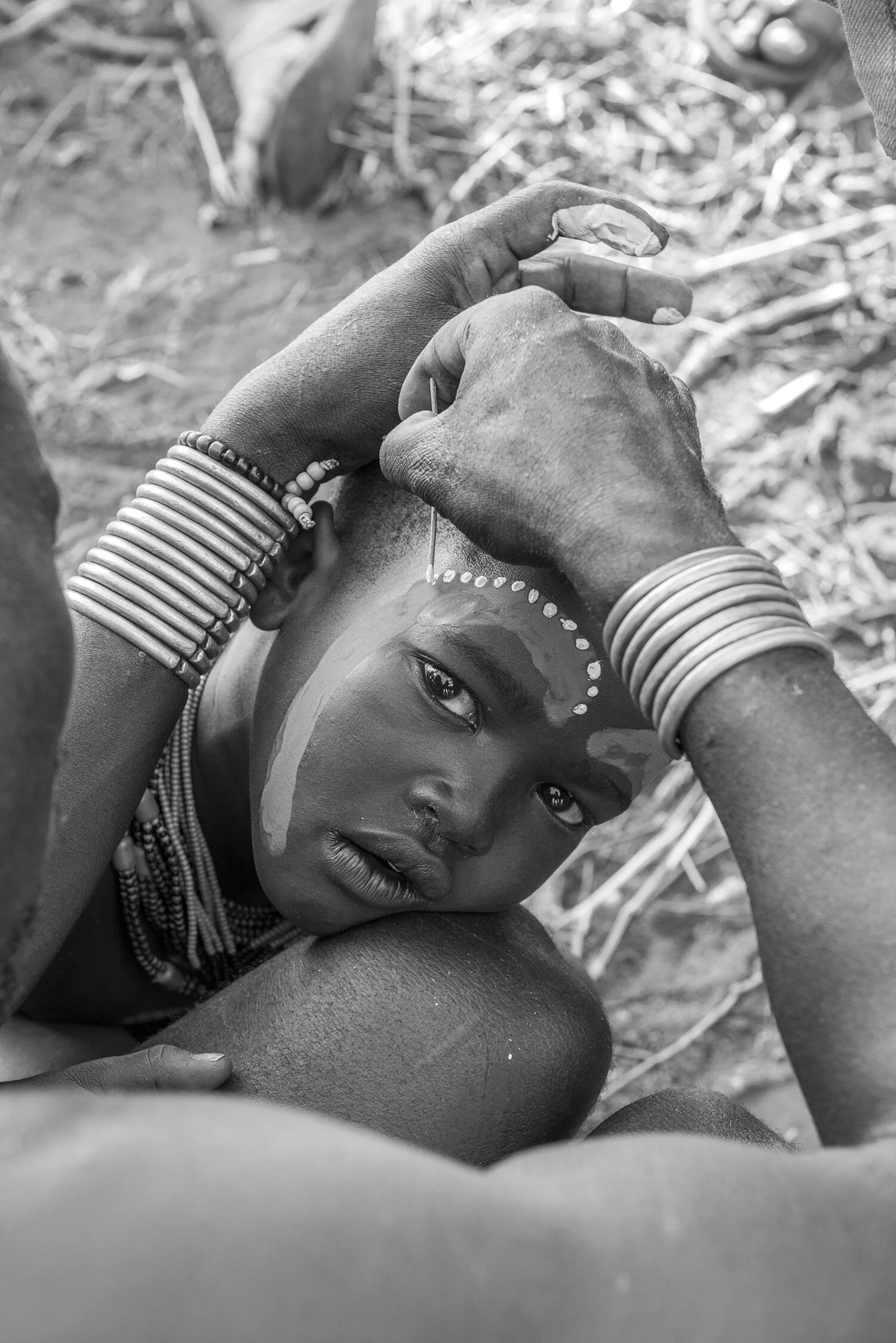
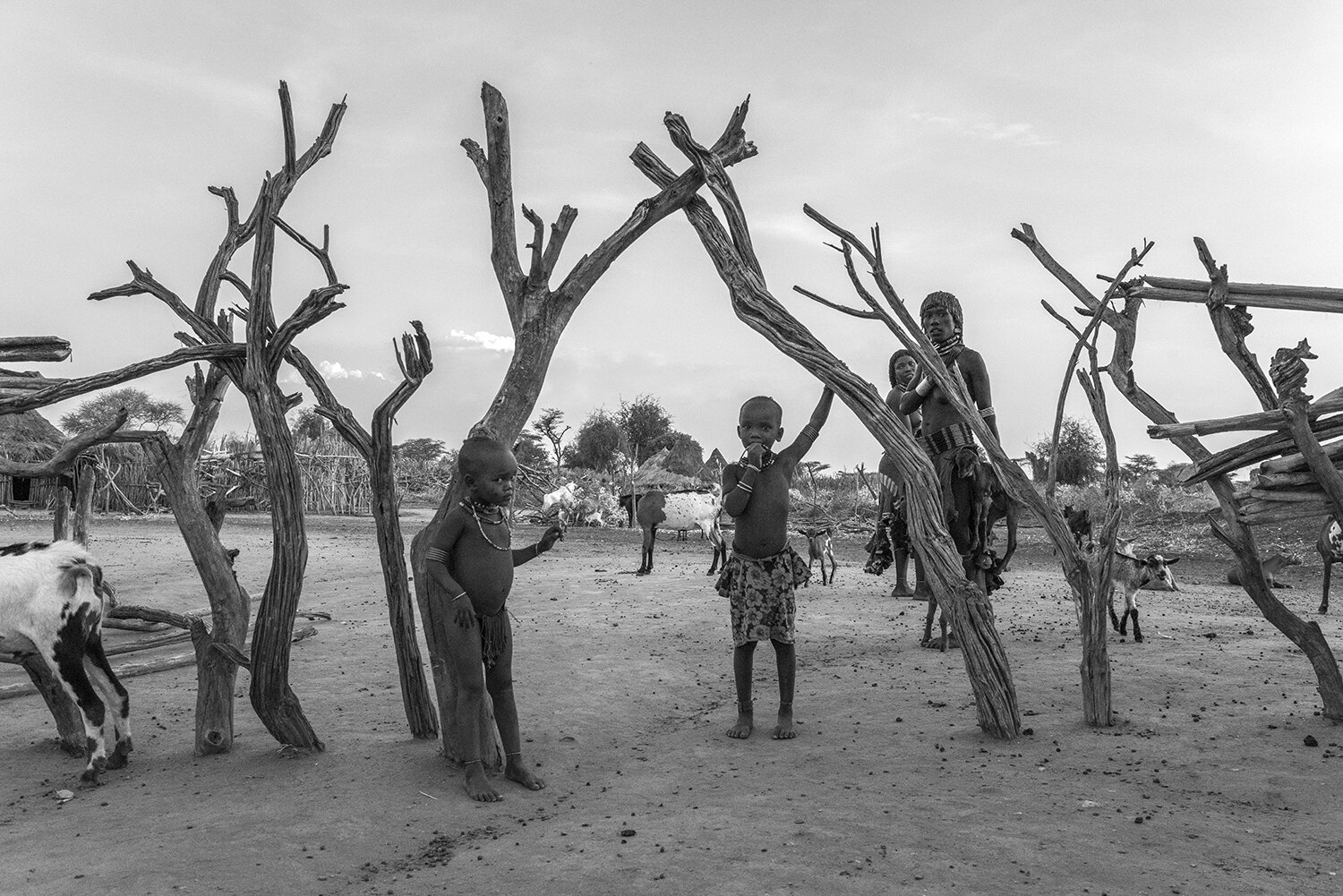
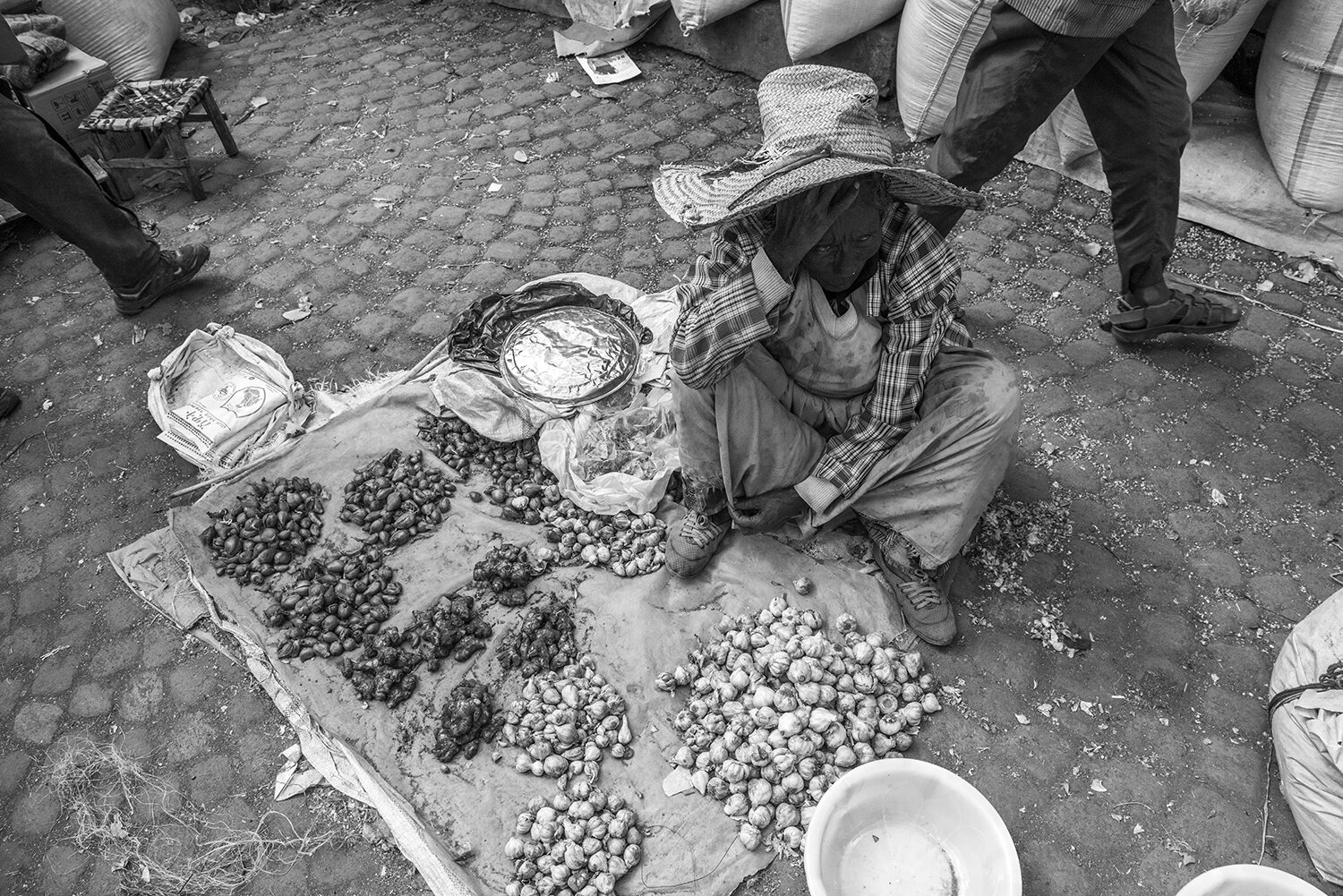
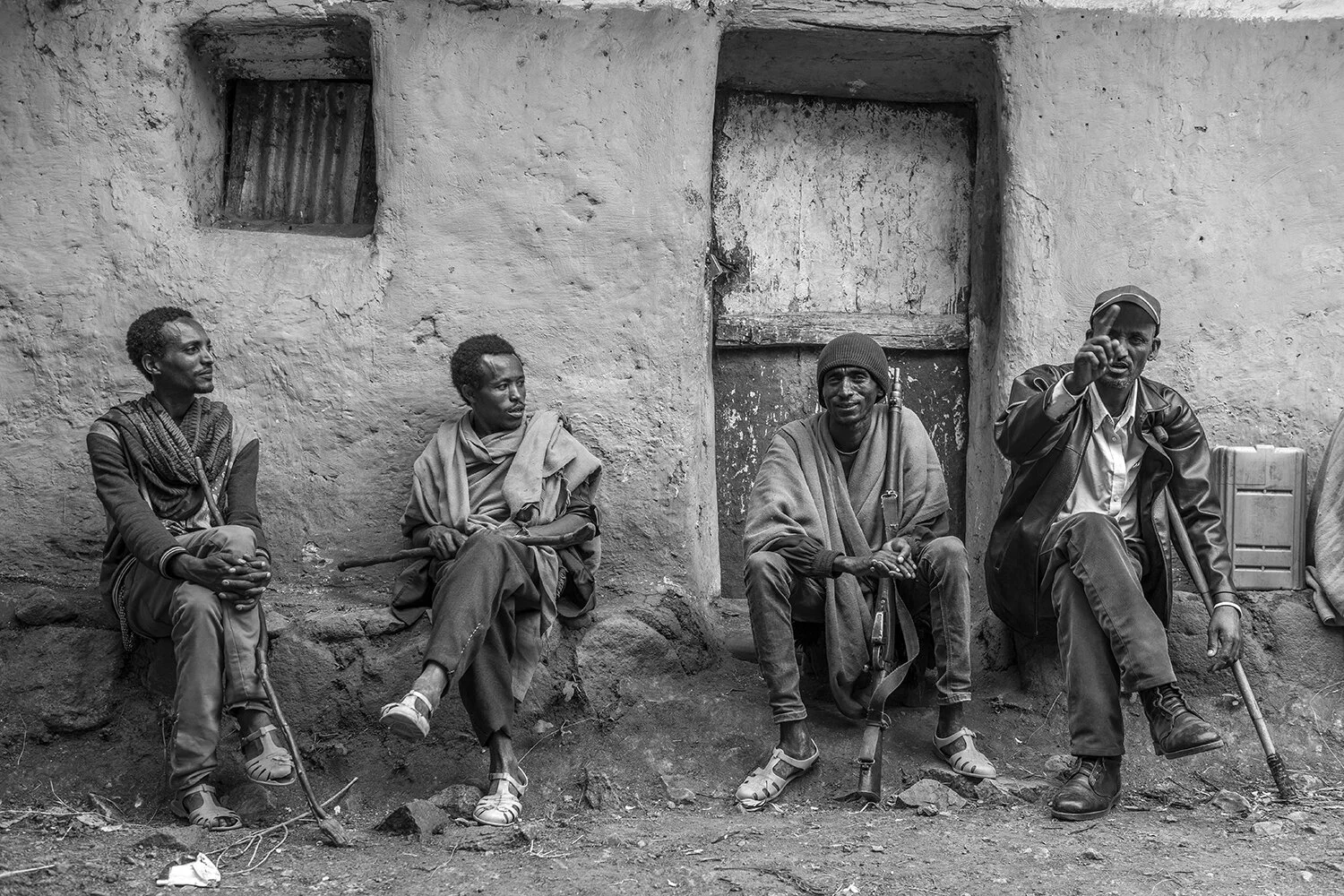
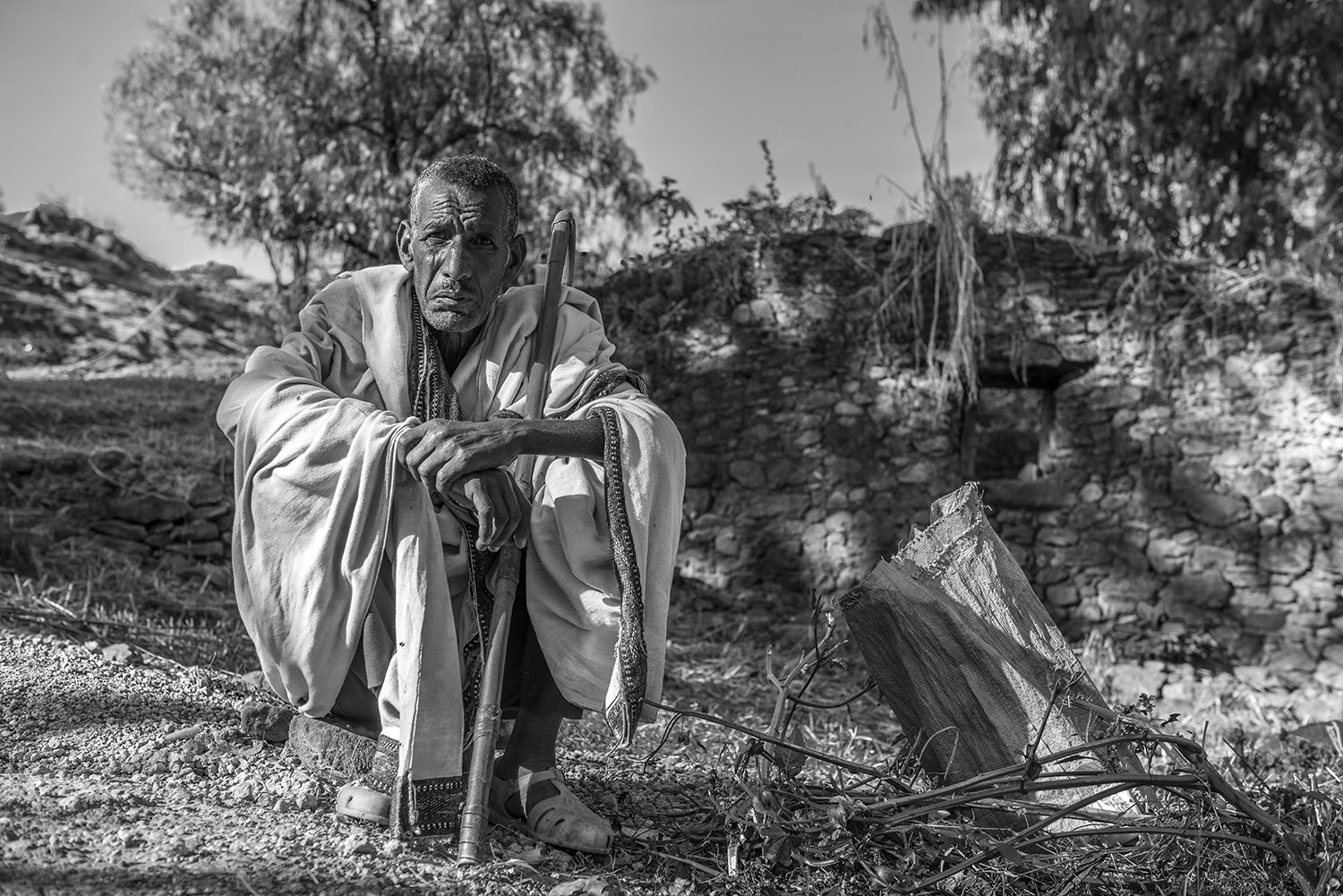
Ethiopia is the literal birthplace of humankind. Its native citizens, appropriately, reflect the broadest swath of the human genome. It is also the oldest nation in the world, dating to the 25th century BC, and is the only nation in Africa never to be colonized, but for a five-year blip.
Regardless of these historical riches, Ethiopia remains the sixth poorest nation on Earth, and it feels as routed as it is ancient.
it is one of the most exciting places on the planet.
From Jews, to Arabs, to Christians and the animists of the Omo Valley, the rich tapestry of ethnicities, languages and histories that permeate the country are unlike anywhere else I’ve been, and among the most exquisite.
© Anthony Fieldman. All Rights Reserved.
For information about availability, editions and prints, contact anthony@nomadecivilisee.com
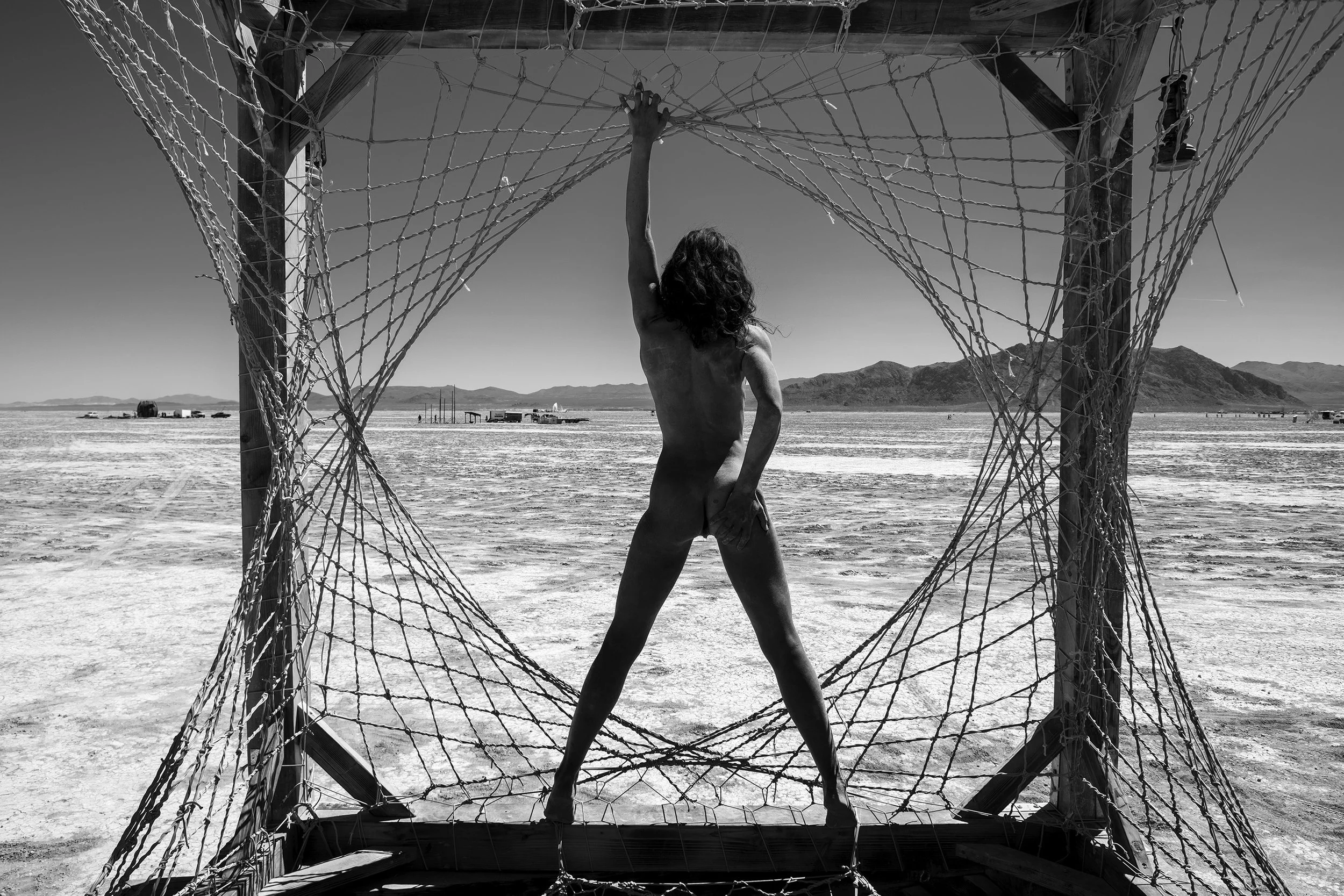
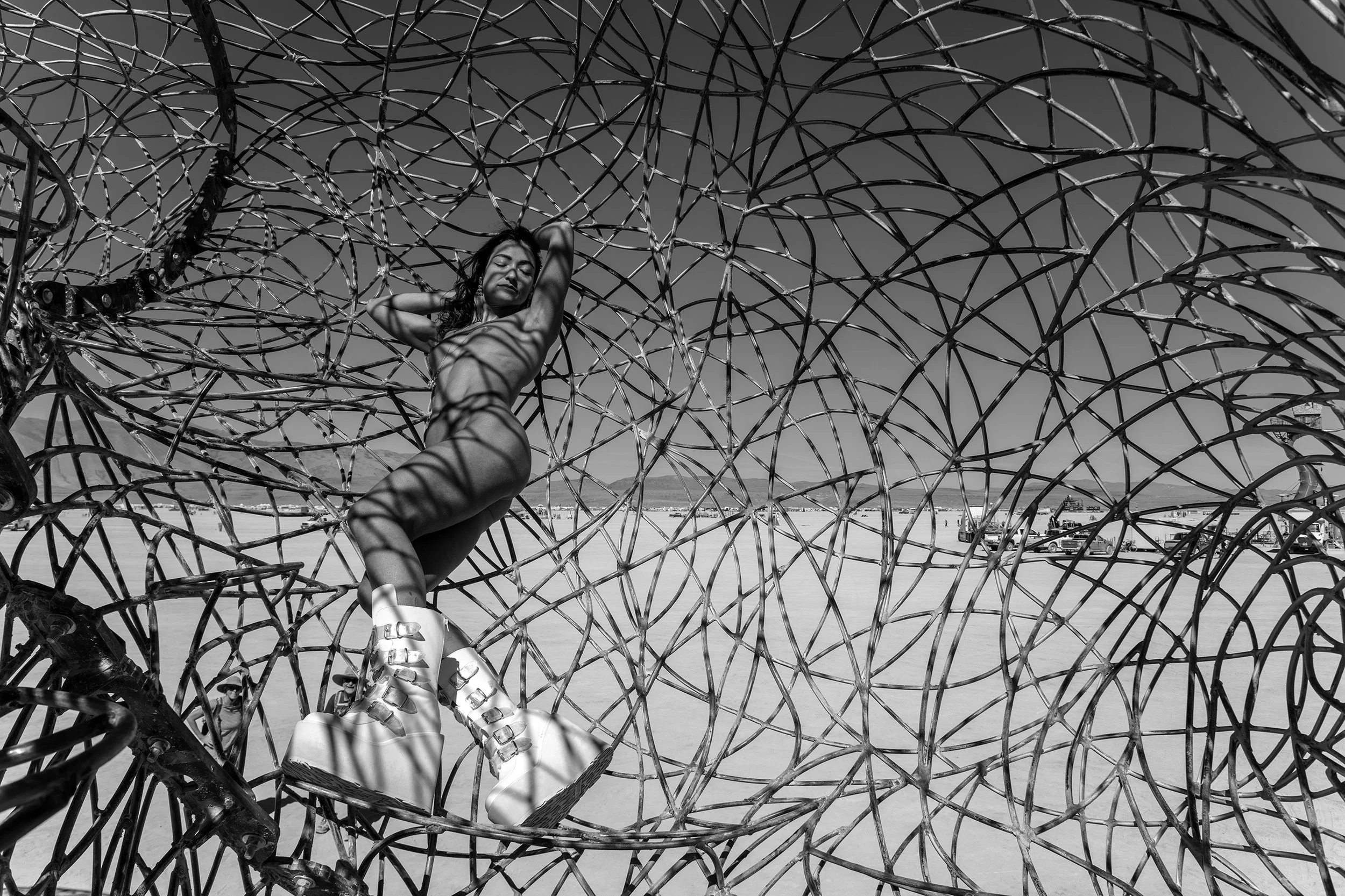
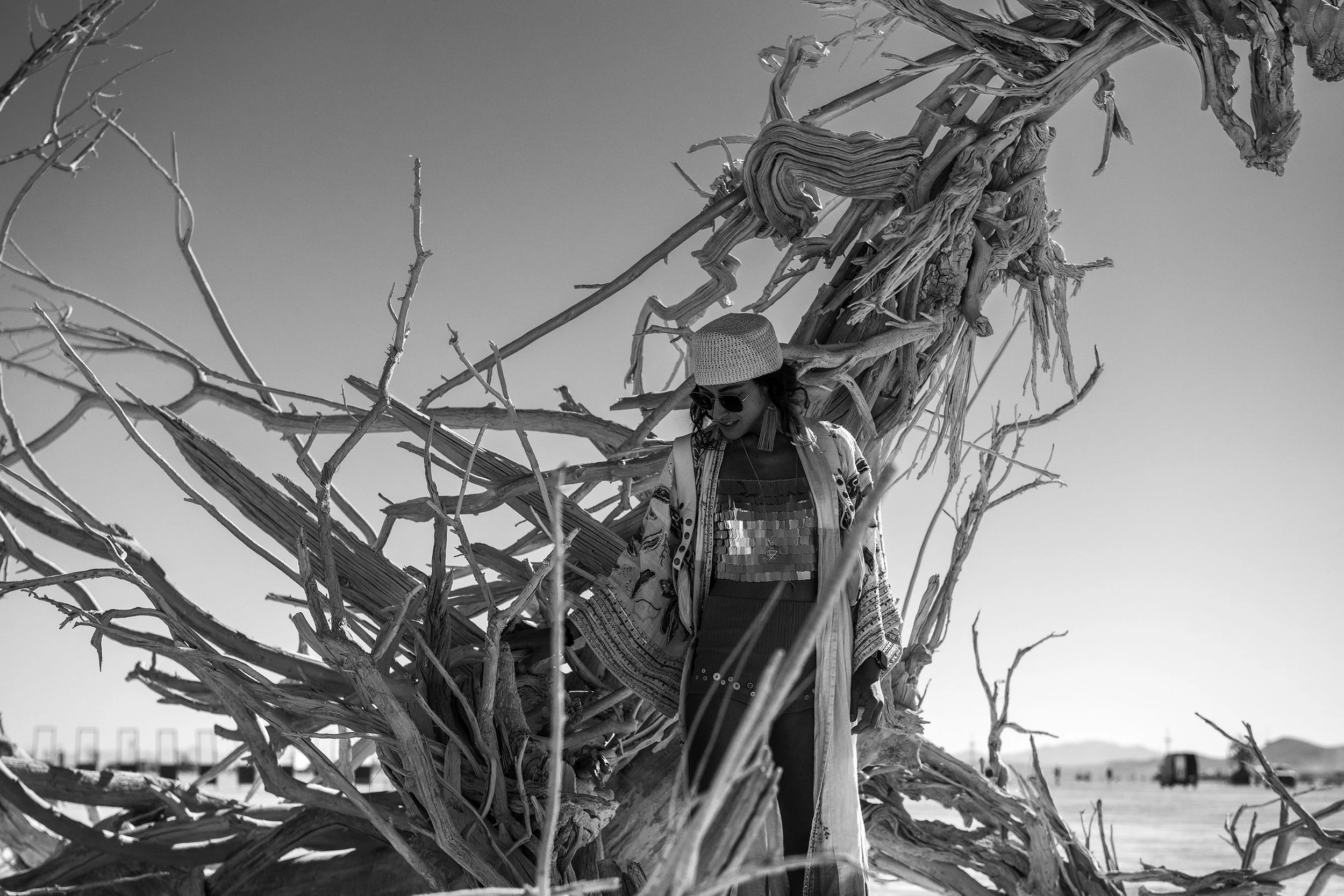
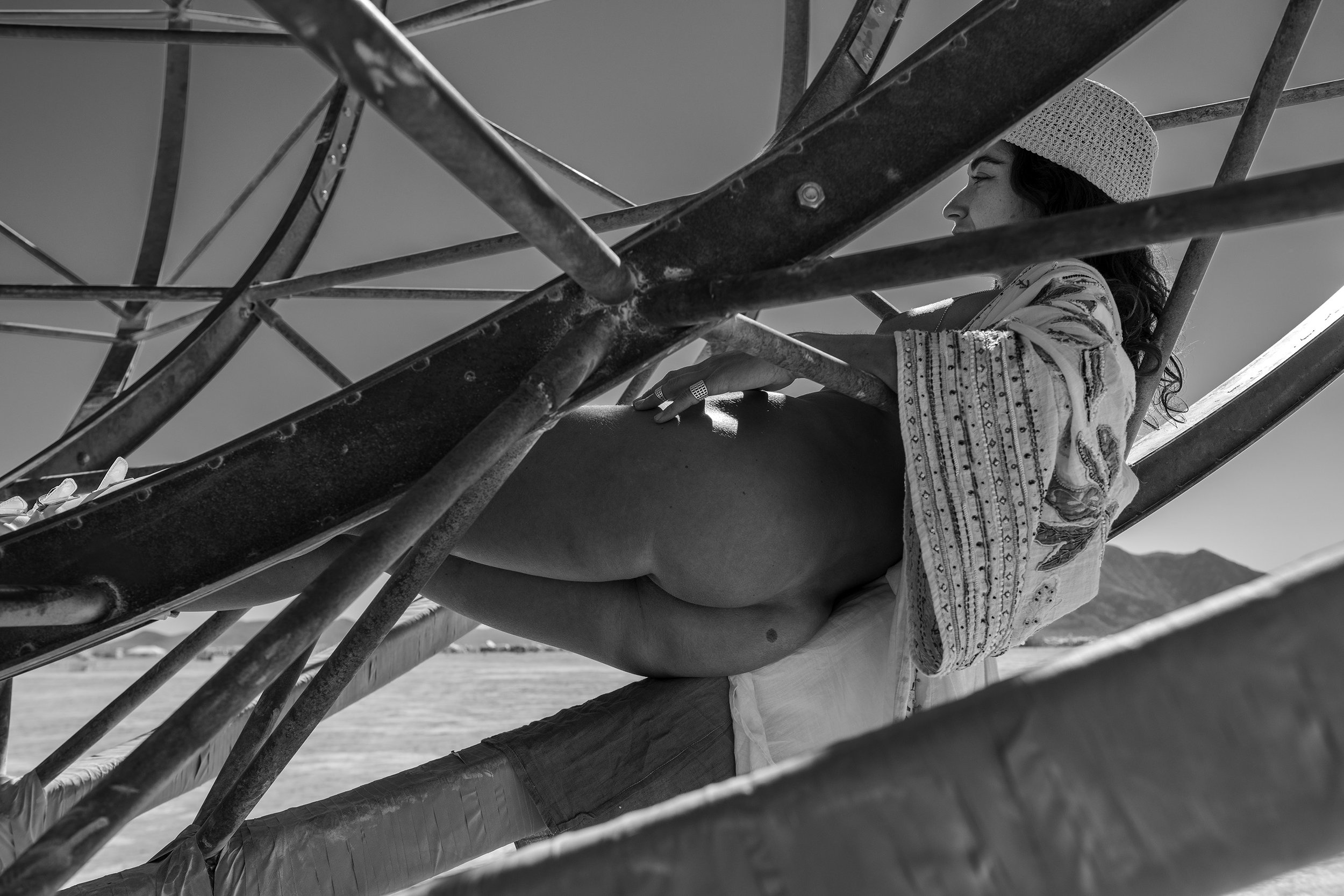
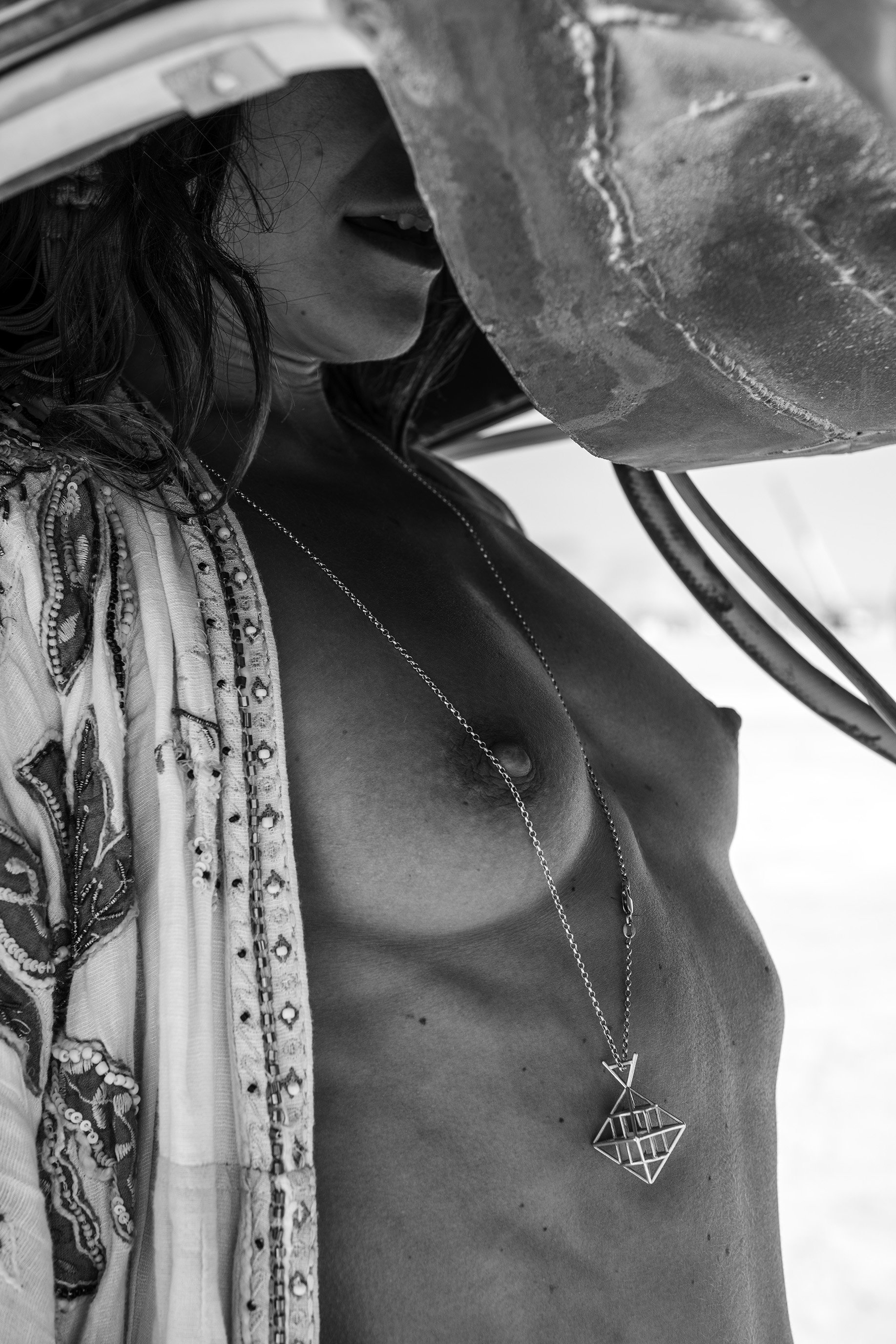
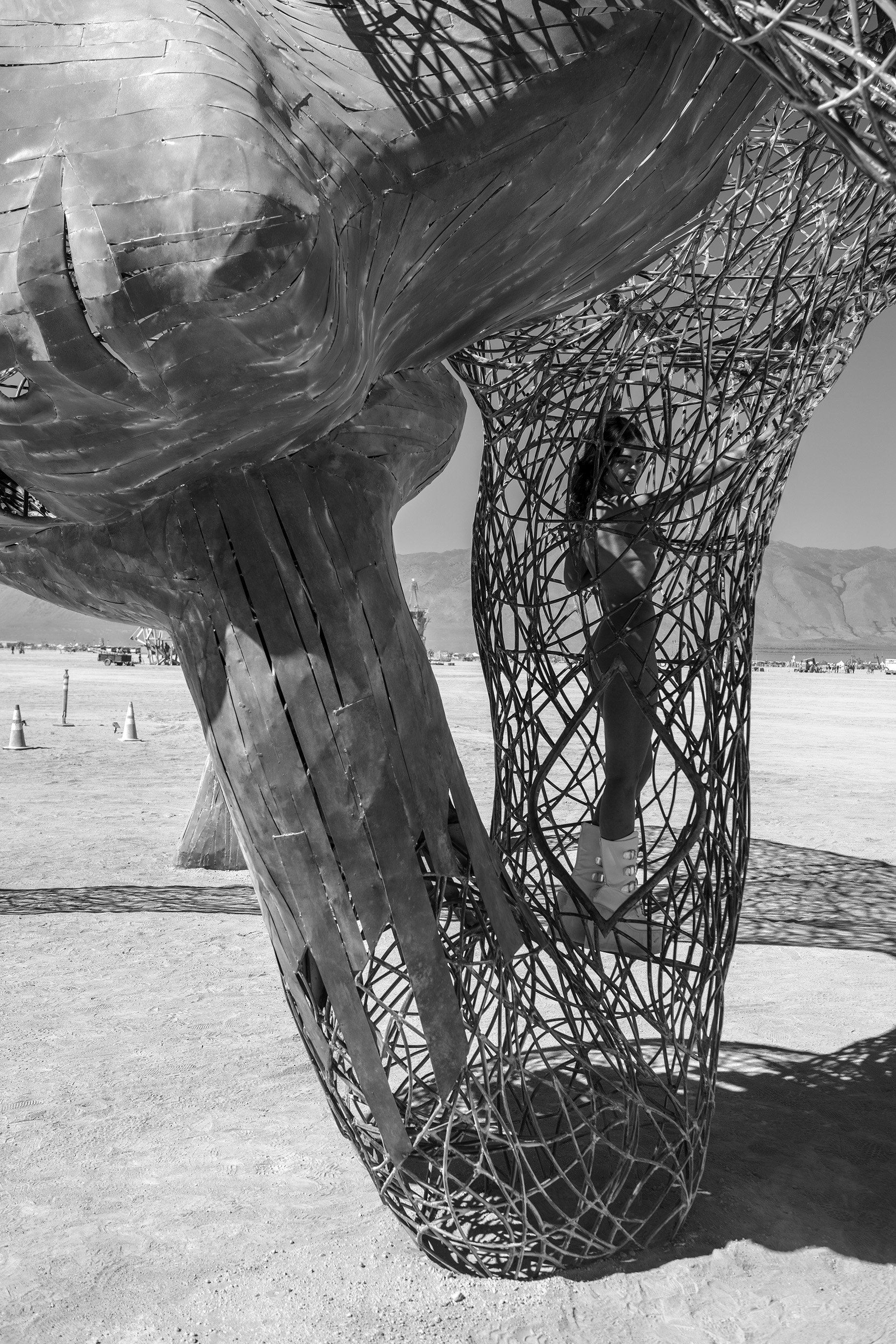
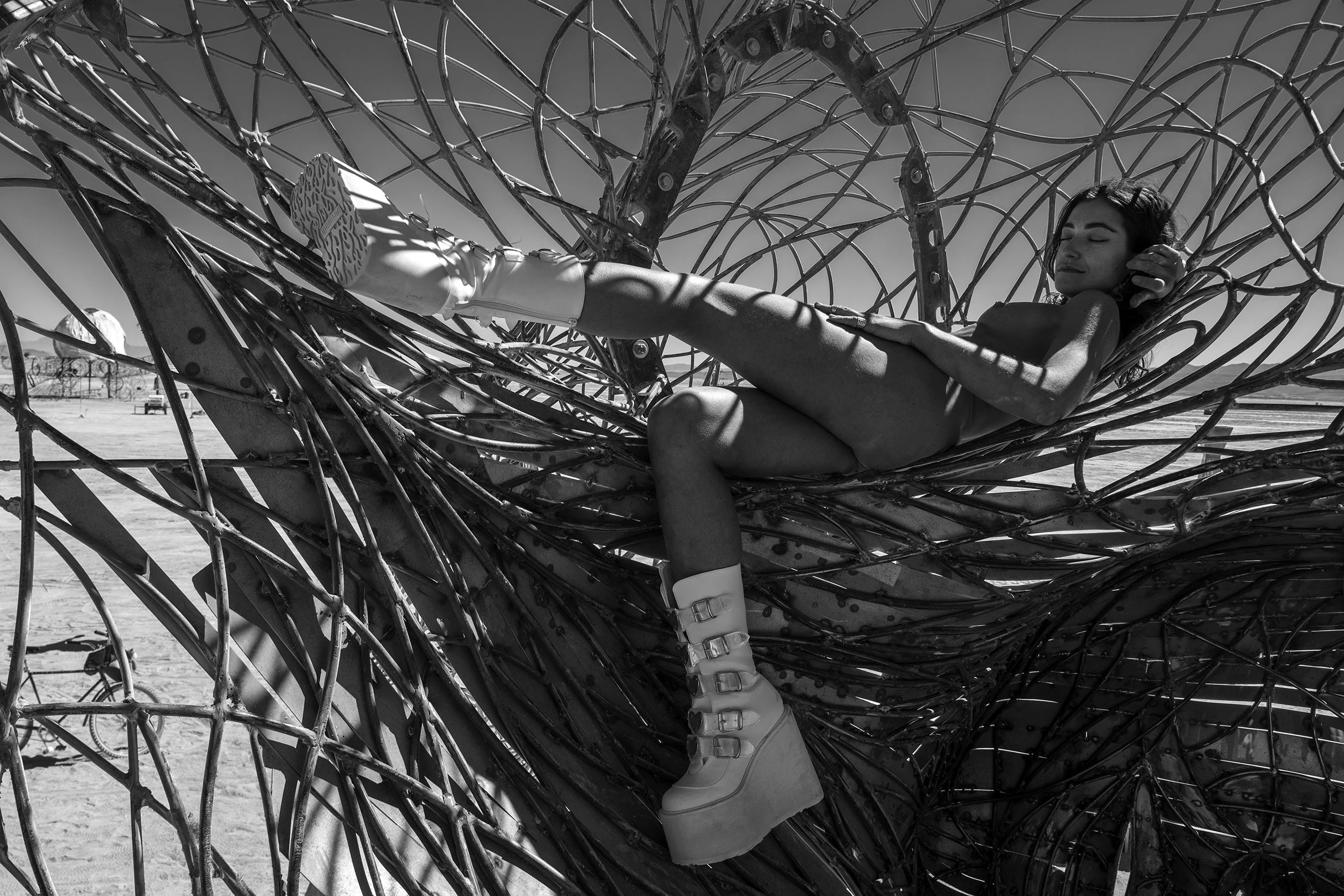
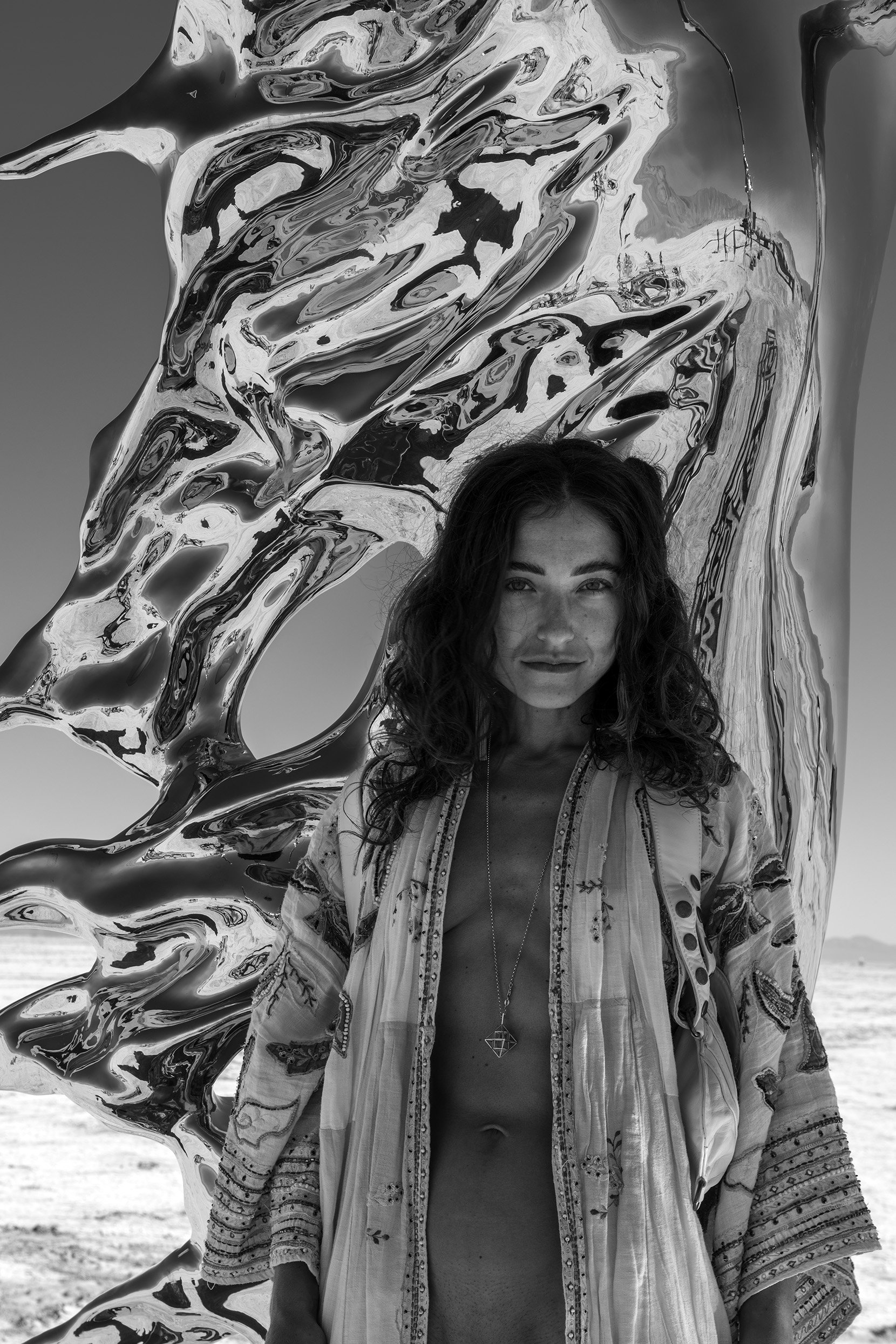
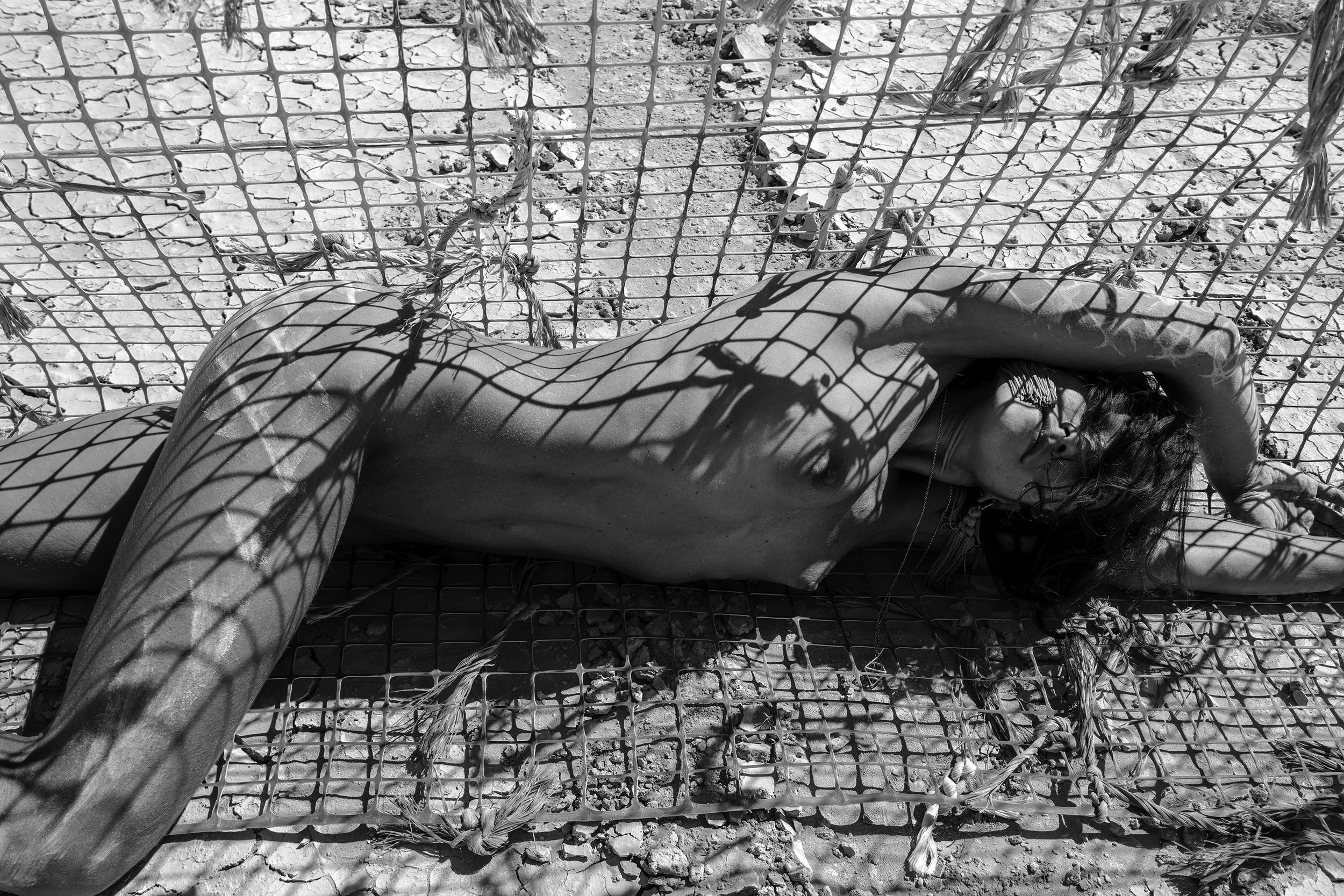
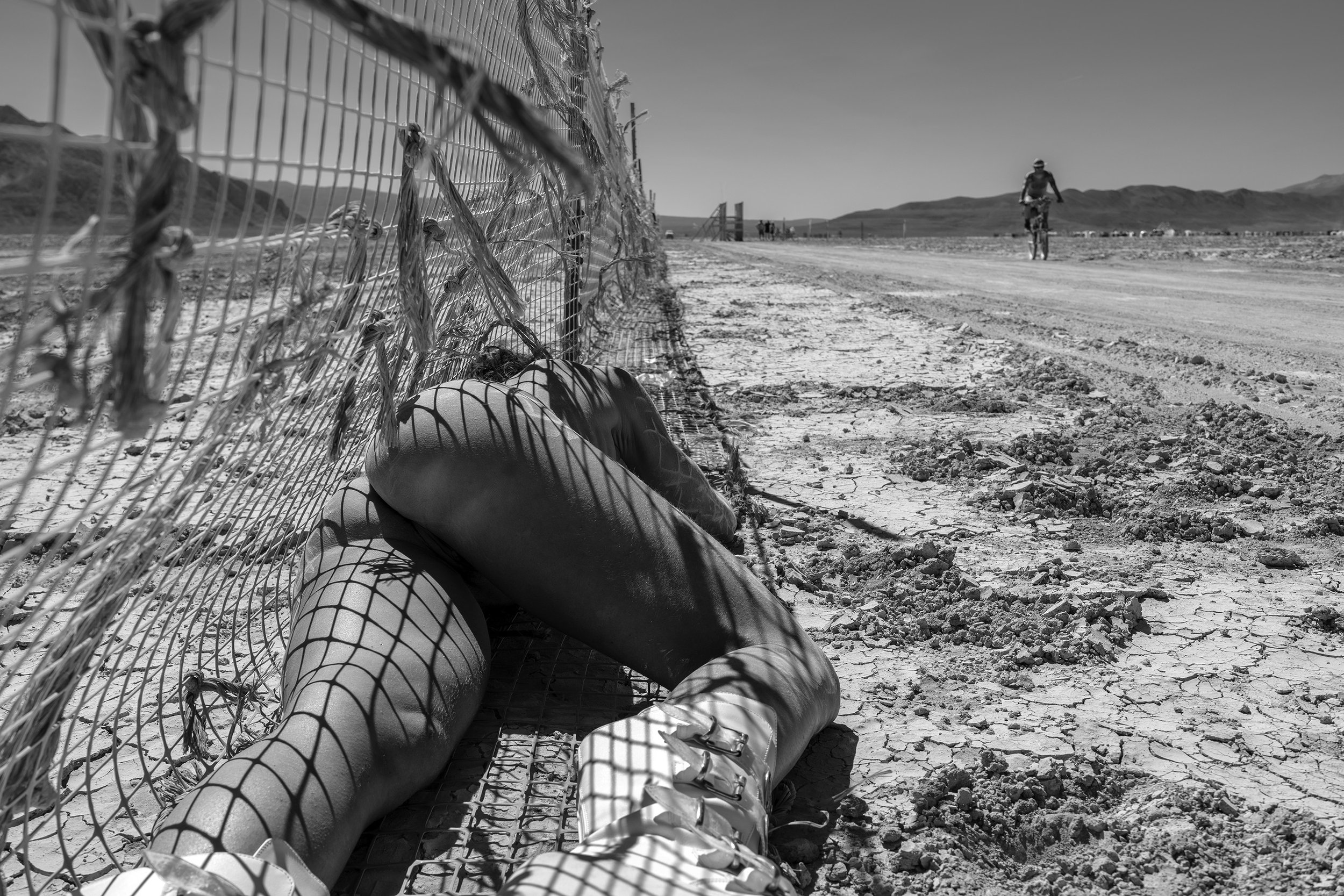
Love and art at Burning Man 2026.
© Anthony Fieldman. All Rights Reserved.
For information about availability, editions and prints, contact anthony@nomadecivilisee.com
Statement
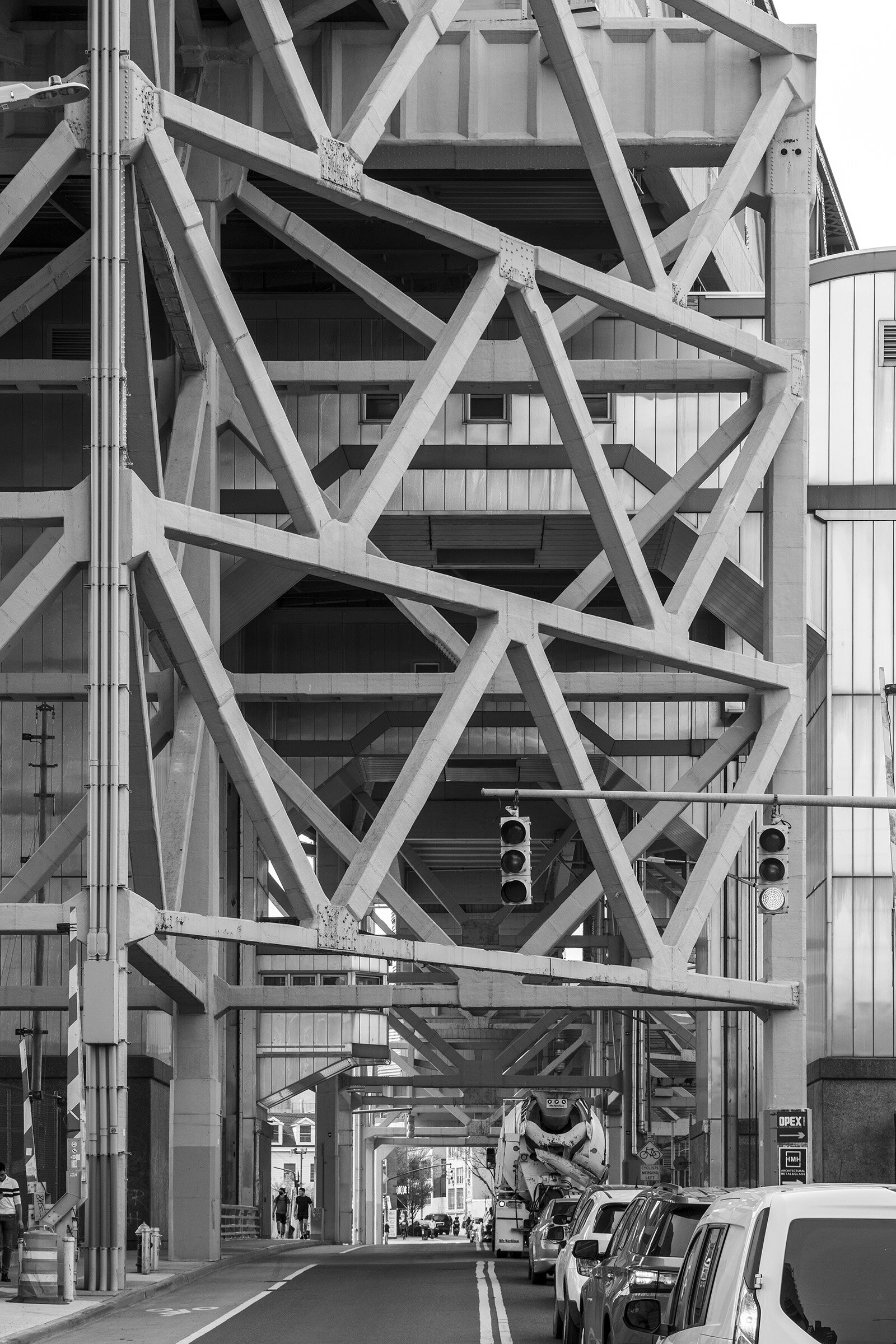
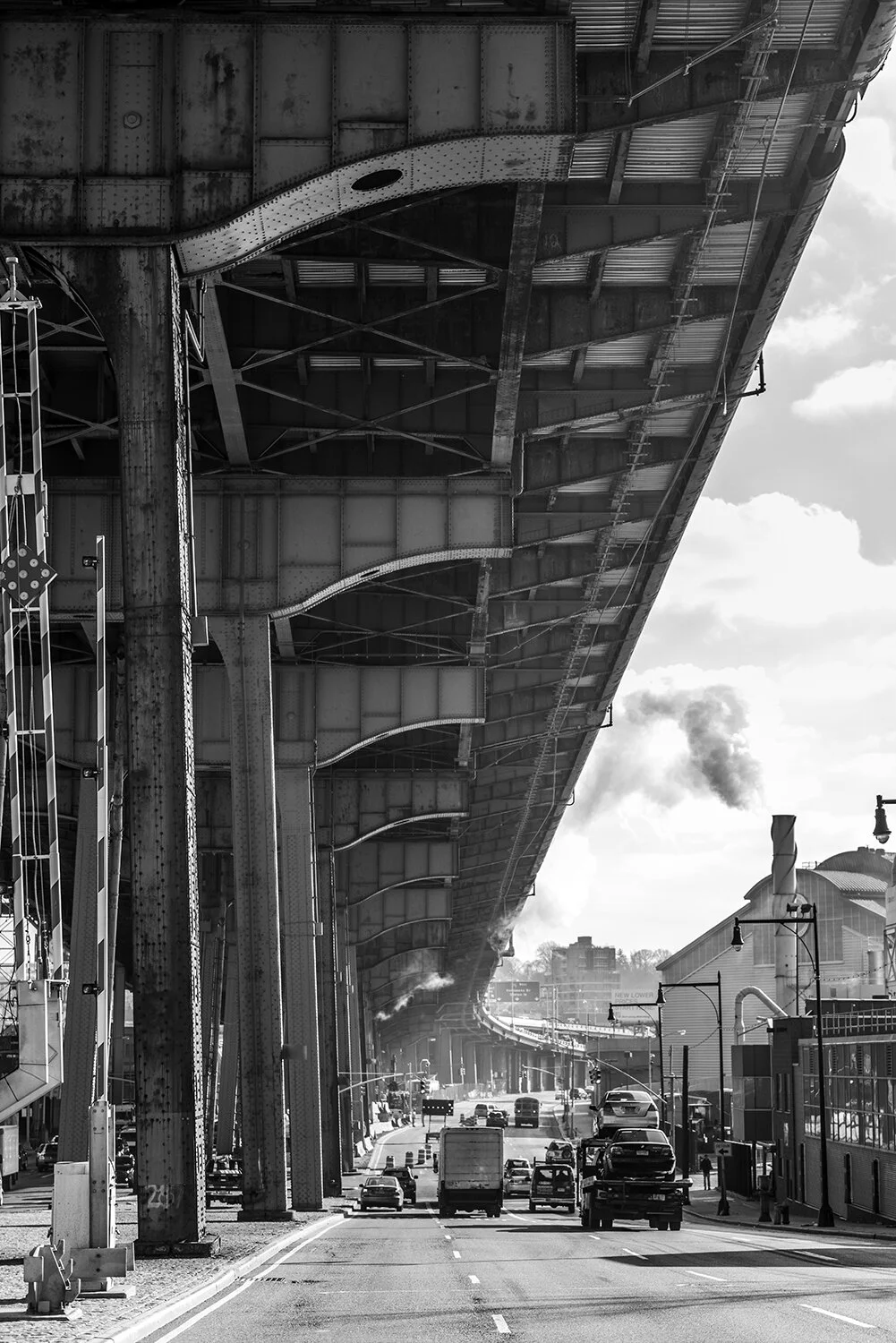
New York is a city of movement. Everyone is always going somewhere, 24/7/365.
The means by which we get from A to B is comprised of relics from a bygone era when the city invested heavily in its own future, to connect people efficiently.
Being on the right or wrong side of these divides that slice through the city like knives—bridges and viaducts—too often draws lines between rich and poor, safe and at risk, thriving and hurting. New York City’s conduits demarcate, more than its famed street grid, the dramas that unfold on its streets.
© Anthony Fieldman. All Rights Reserved.
For information about availability, editions and prints, contact anthony@nomadecivilisee.com
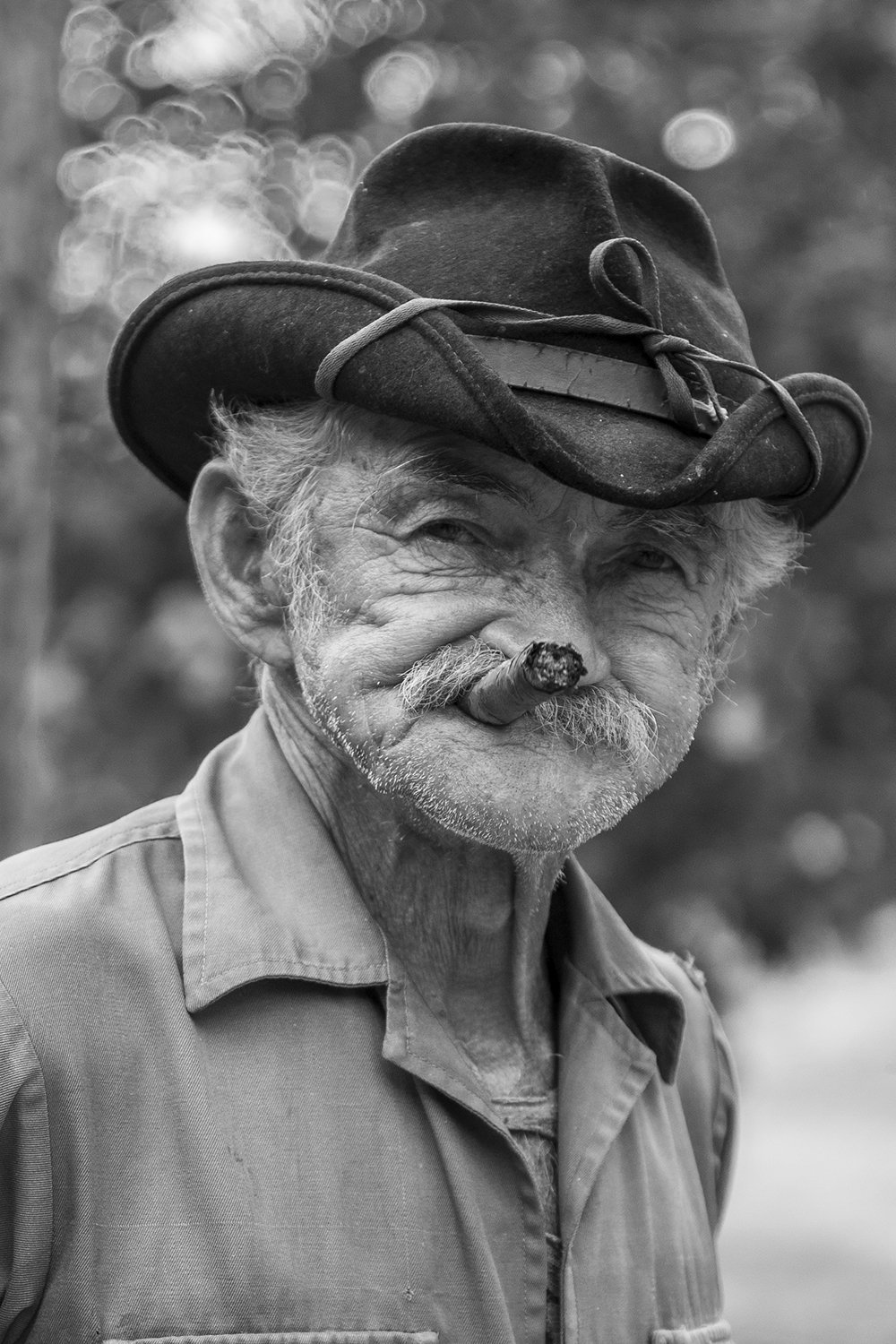
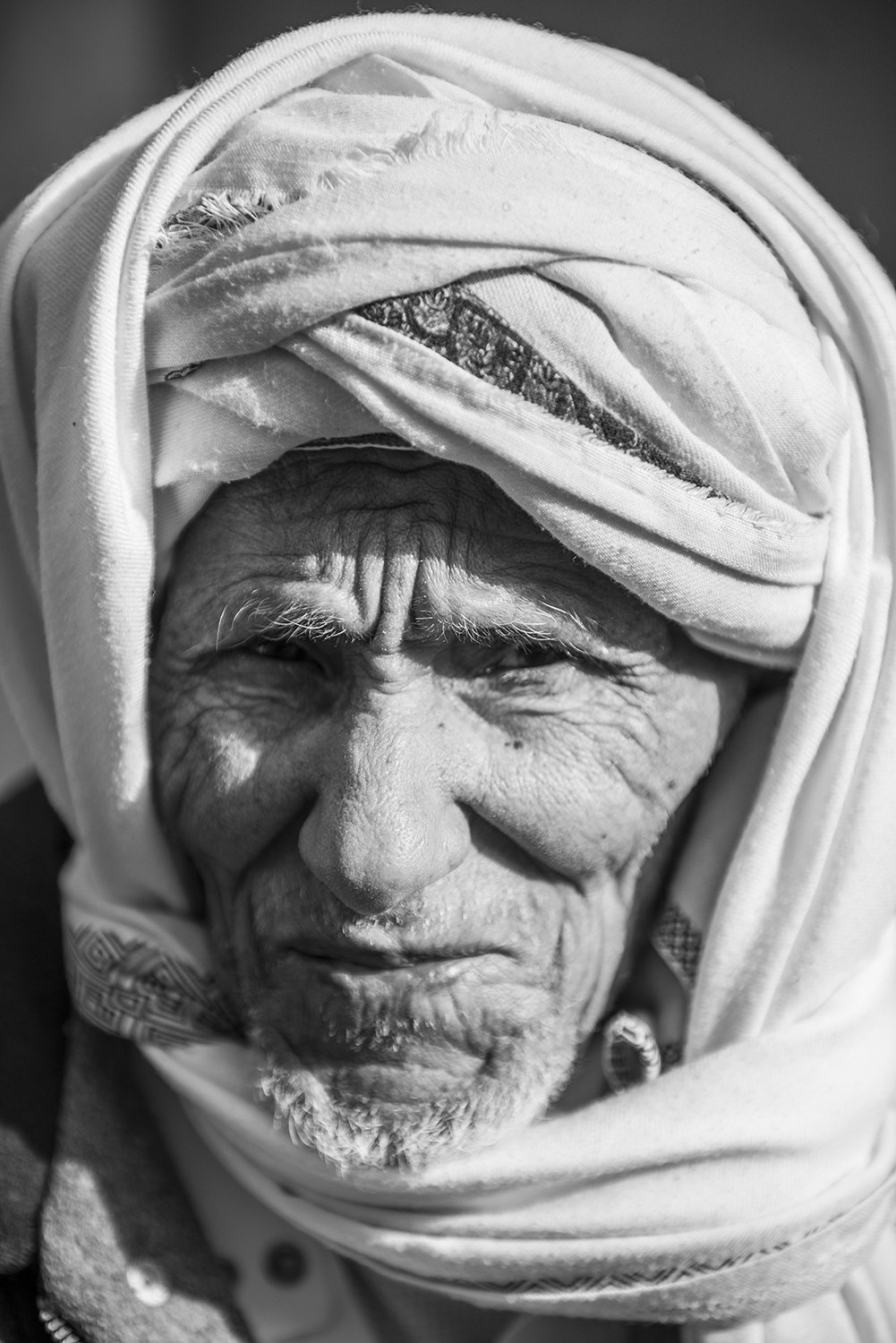
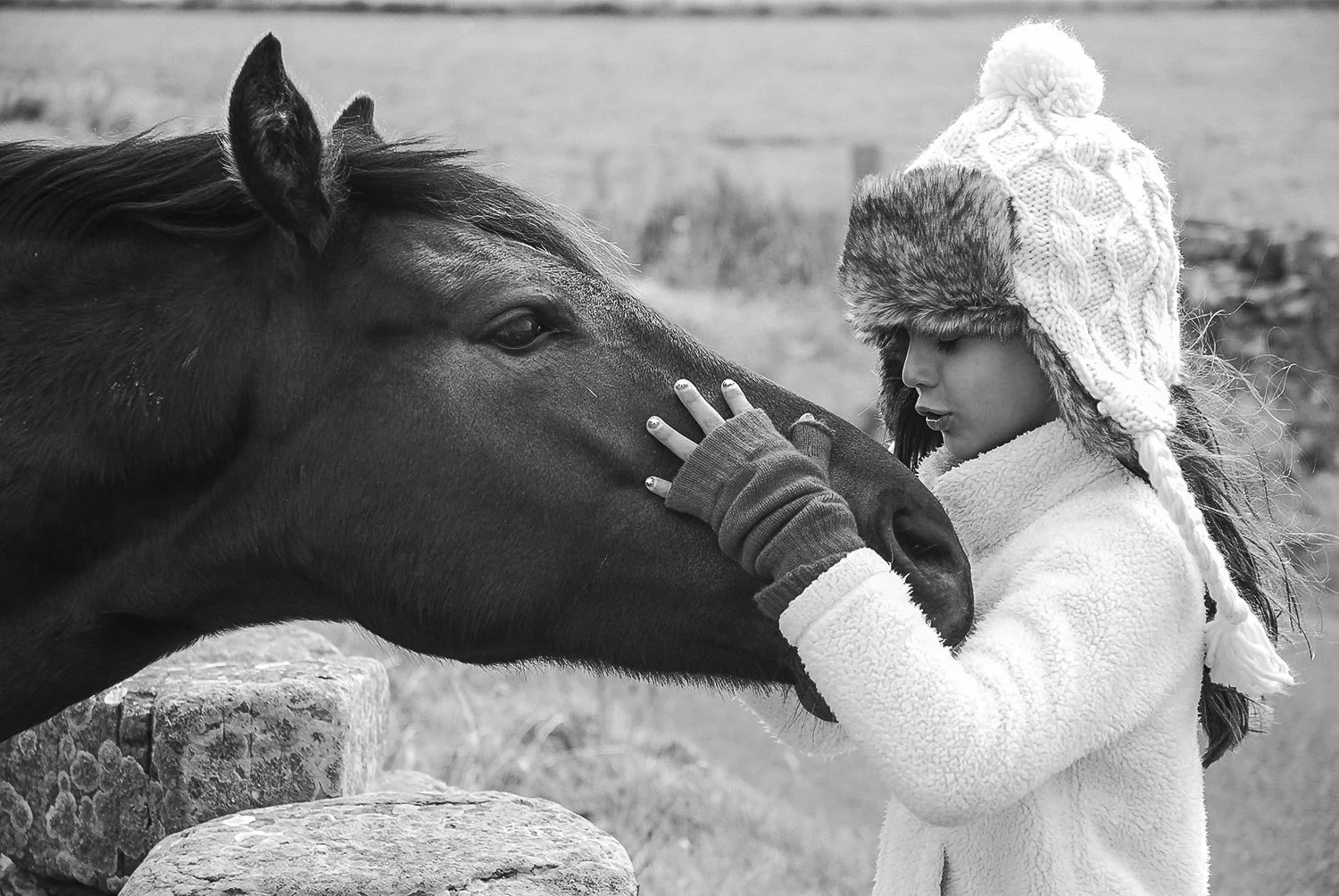
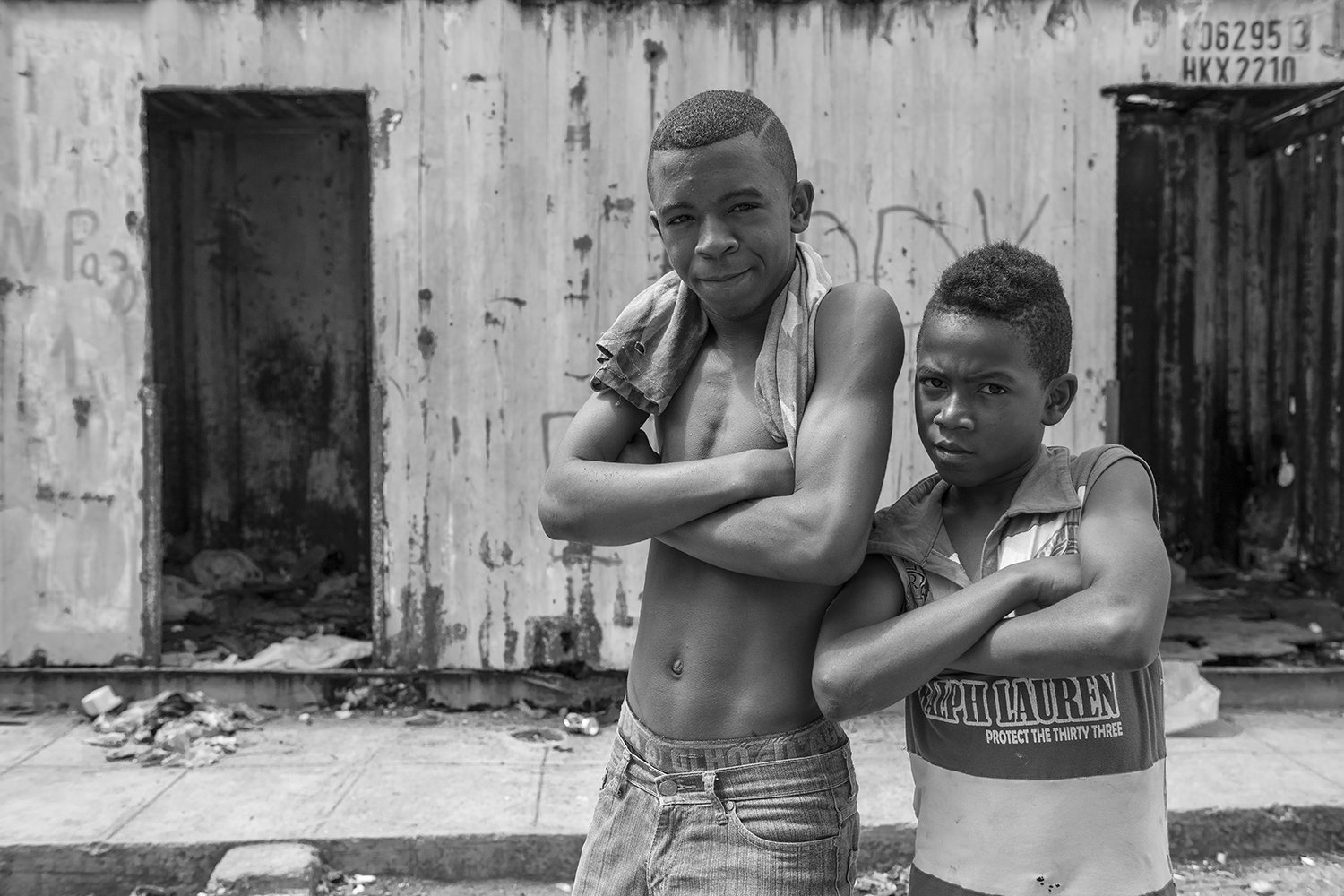
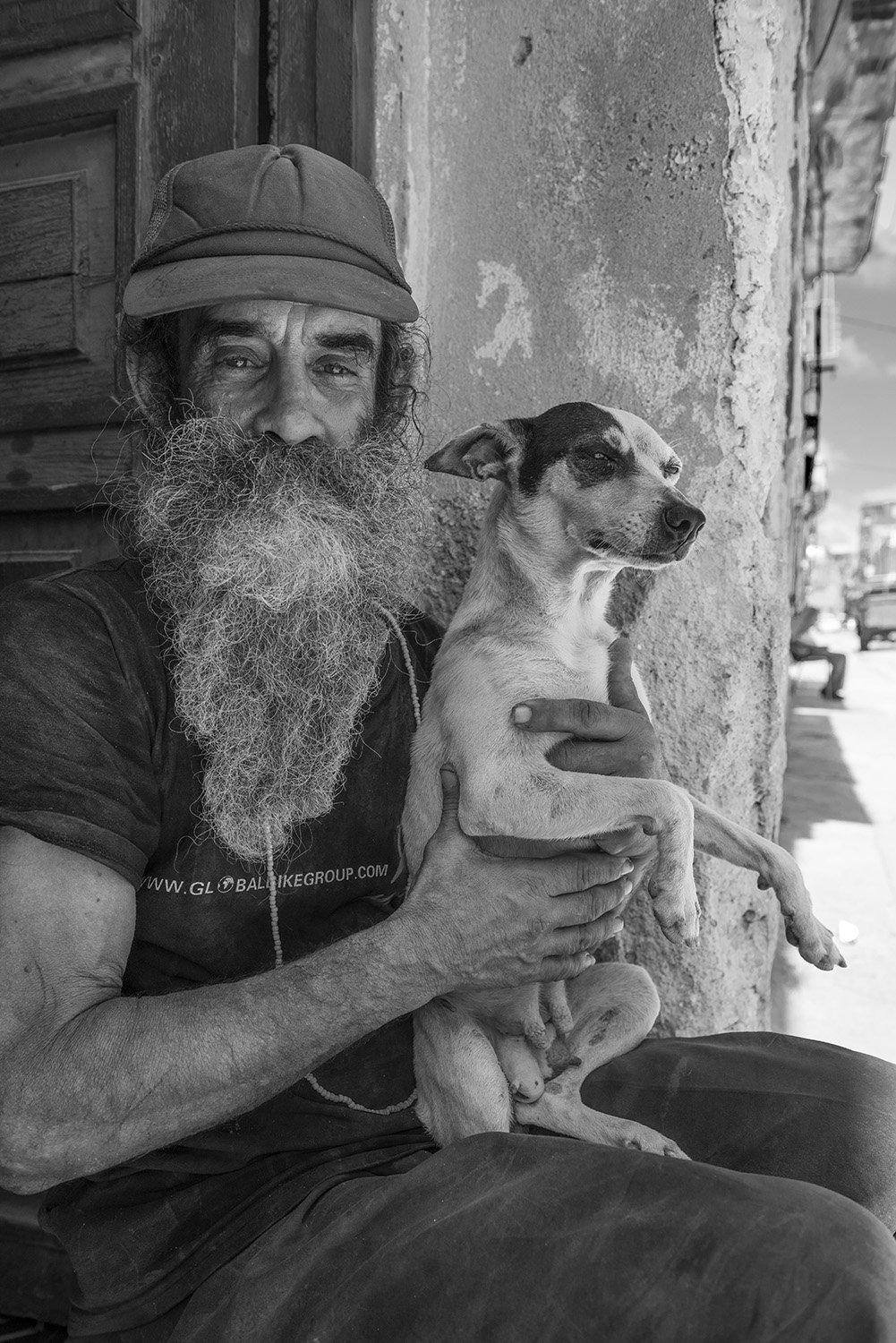
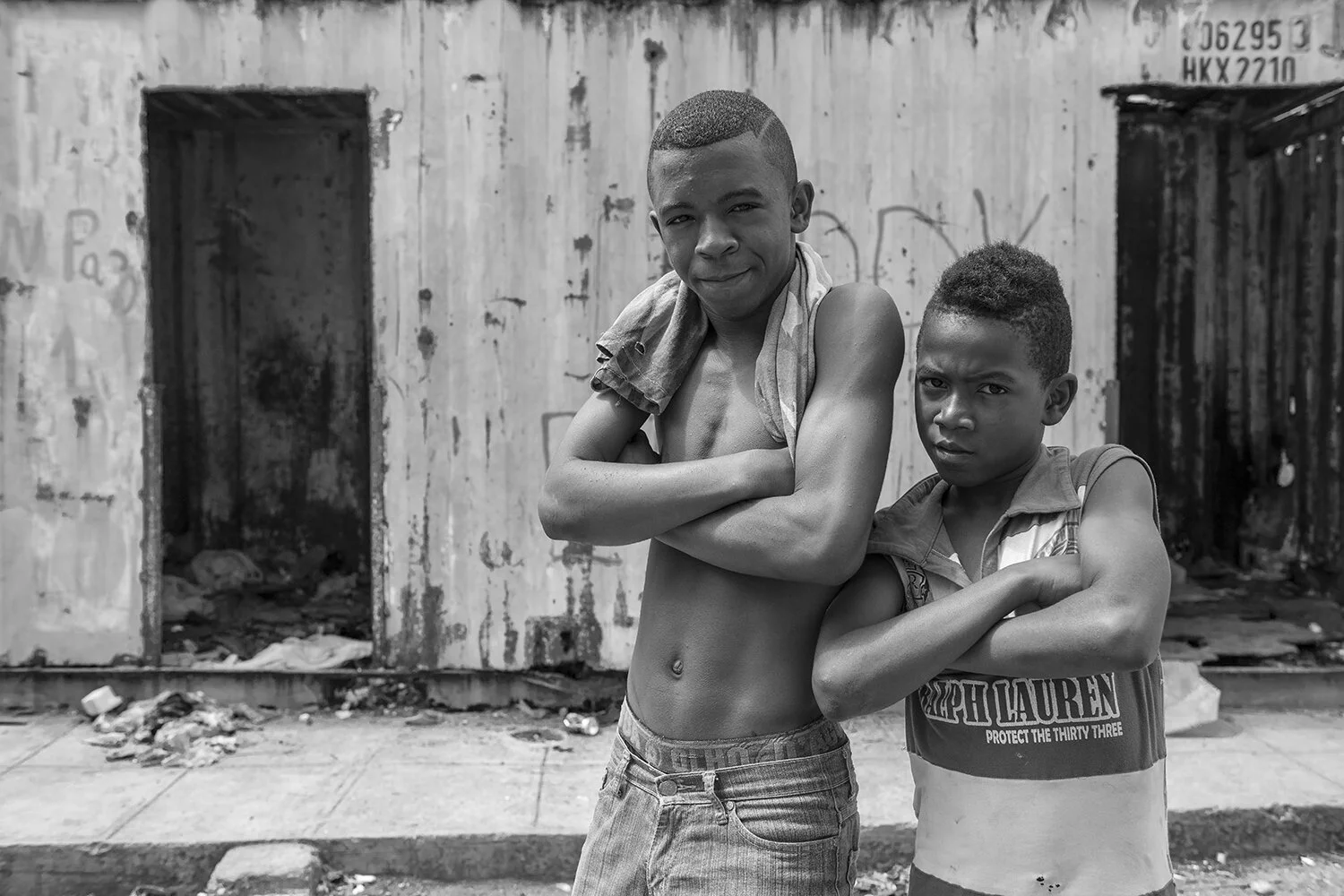
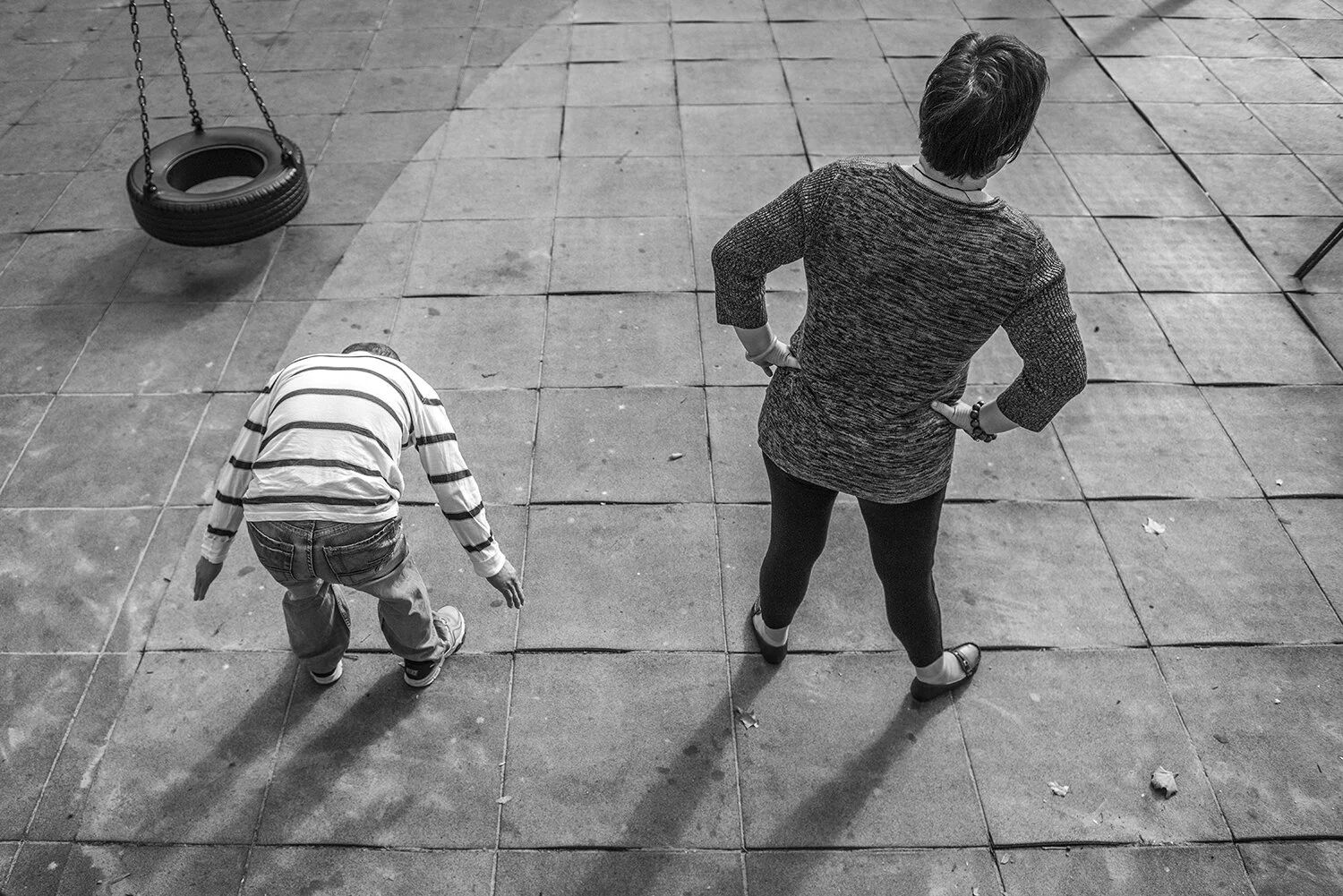
Every image of a person can be called a portrait. In the case of this series, they are all candids—unposed, unplanned, and taken within a split second of engaging its subject.
Some portraits I’ve made resonate more than others with me for the human spirit they somehow capture and convey. This is a selection of some of my favorite photographic moments.
Note: Some of the images appear elsewhere on this website.
© Anthony Fieldman. All Rights Reserved.
For information about availability, editions and prints, contact anthony@nomadecivilisee.com
Statement
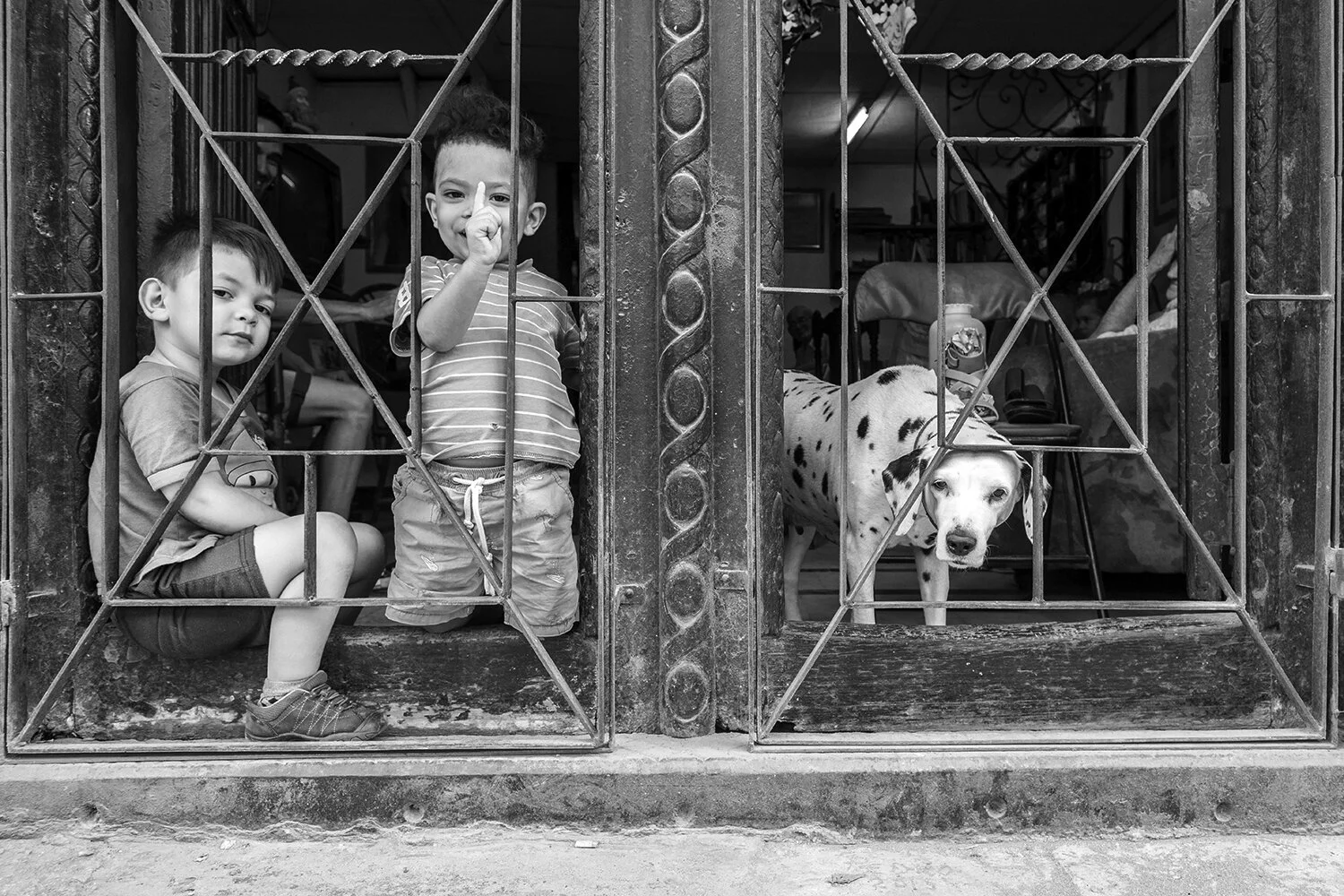
The Cubans brim with energy, optimism and kindness. Perhaps this is what happens when commerce is blissfully absent and when the struggle to “get ahead” is moot in a land that forces equality on everyone.
It’s worth considering.
In any event, the Cubans are life-affirming in their daily acts. To wander through Havana’s streets or Viñales’ plantations is to encounter a rare breed of human: free of the bitterness against which the West struggles, and which poisons its consumption-governed soul.
© Anthony Fieldman. All Rights Reserved.
For information about availability, editions and prints, contact anthony@nomadecivilisee.com
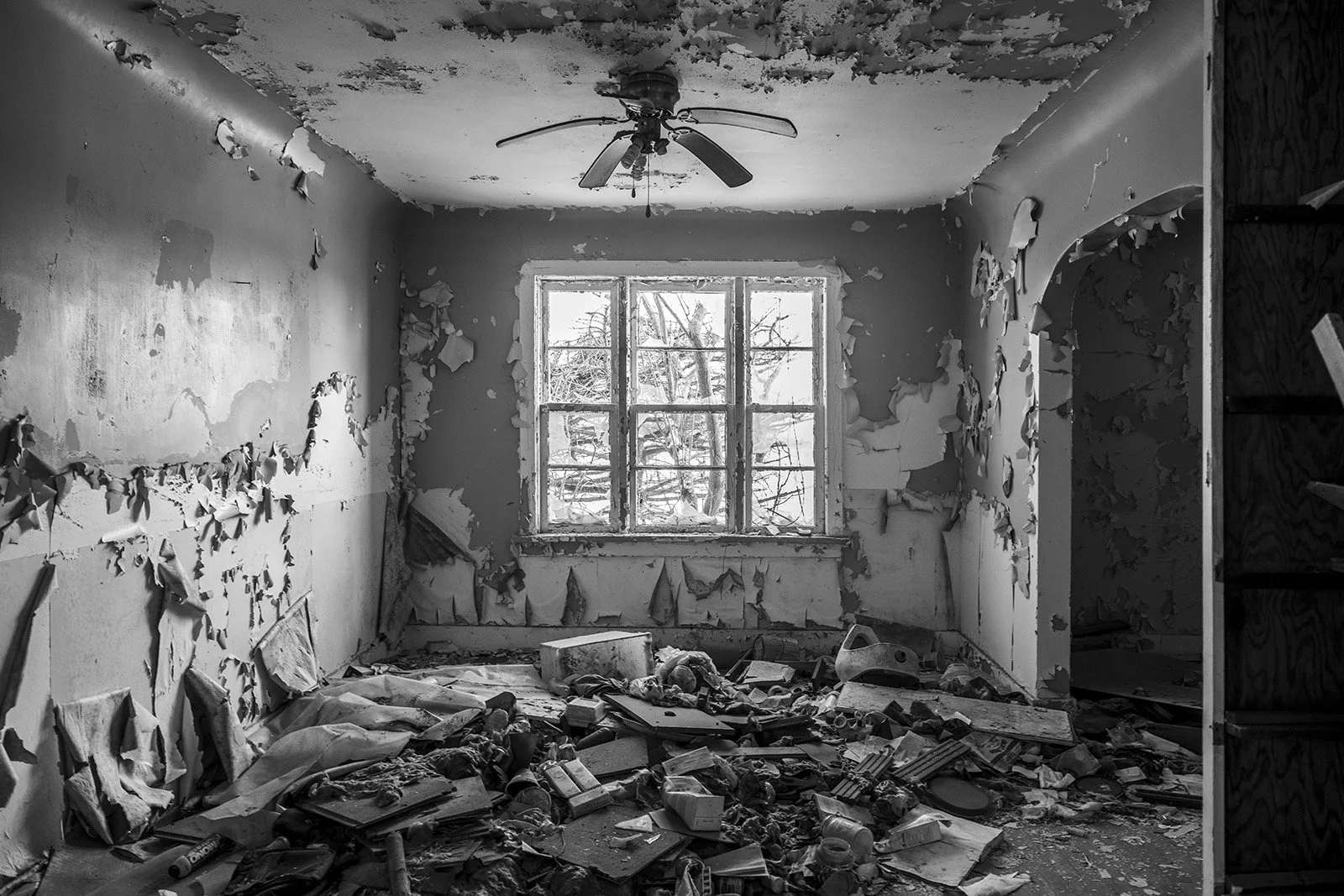
In 1800, 90% of us were farmers. By 1900, that number dropped by half. Today, just 1.4% of Americans farm. Of these, 50% of whom are undocumented, filling five of the ten lowest-paid jobs, in spite of the fact that farms and meat processing plants are among the most dangerous and exploitative workplaces in the country.
Where have the jobs gone?
Just 10 companies now control everything you buy. Four of them alone control at least 50% of the market share for 80% of all groceries, allowing these mega-companies to largely dictate what farmers grow and scientists 'bio-hack' in laboratories.
It’s no wonder the family farm is disappearing.
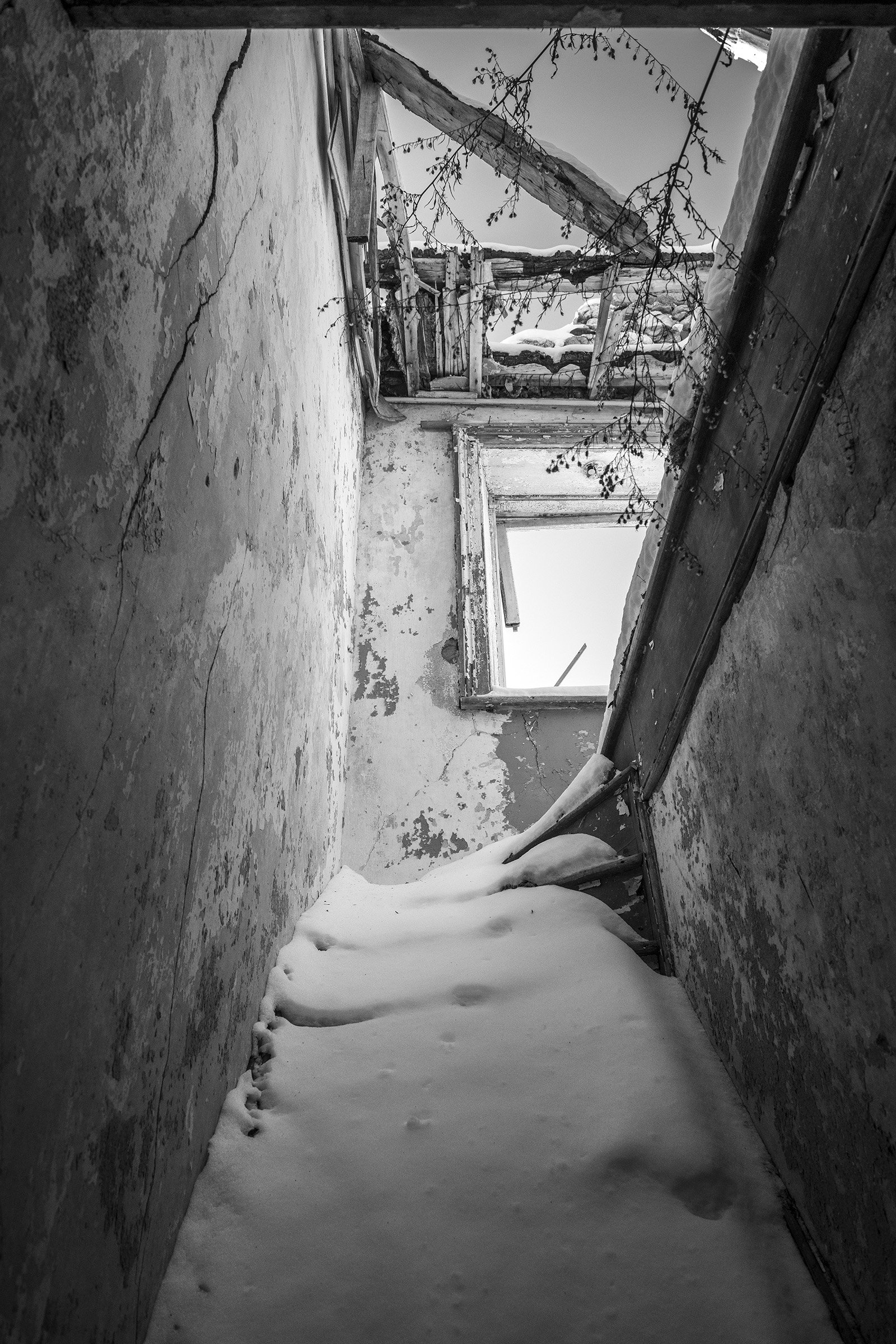
The family farm is now emblematic of the ravages of time. I visit the detritus left in the wake of its industrialization, because in doing so I become closer to understanding what’s happening to food itself.
As a photographer and architect I am drawn to these things, sneaking into ruins to document them. Snapshots in time, the structures I photograph often fall within the season.
© Anthony Fieldman. All Rights Reserved.
For information about availability, editions and prints, contact anthony@nomadecivilisee.com
Statement
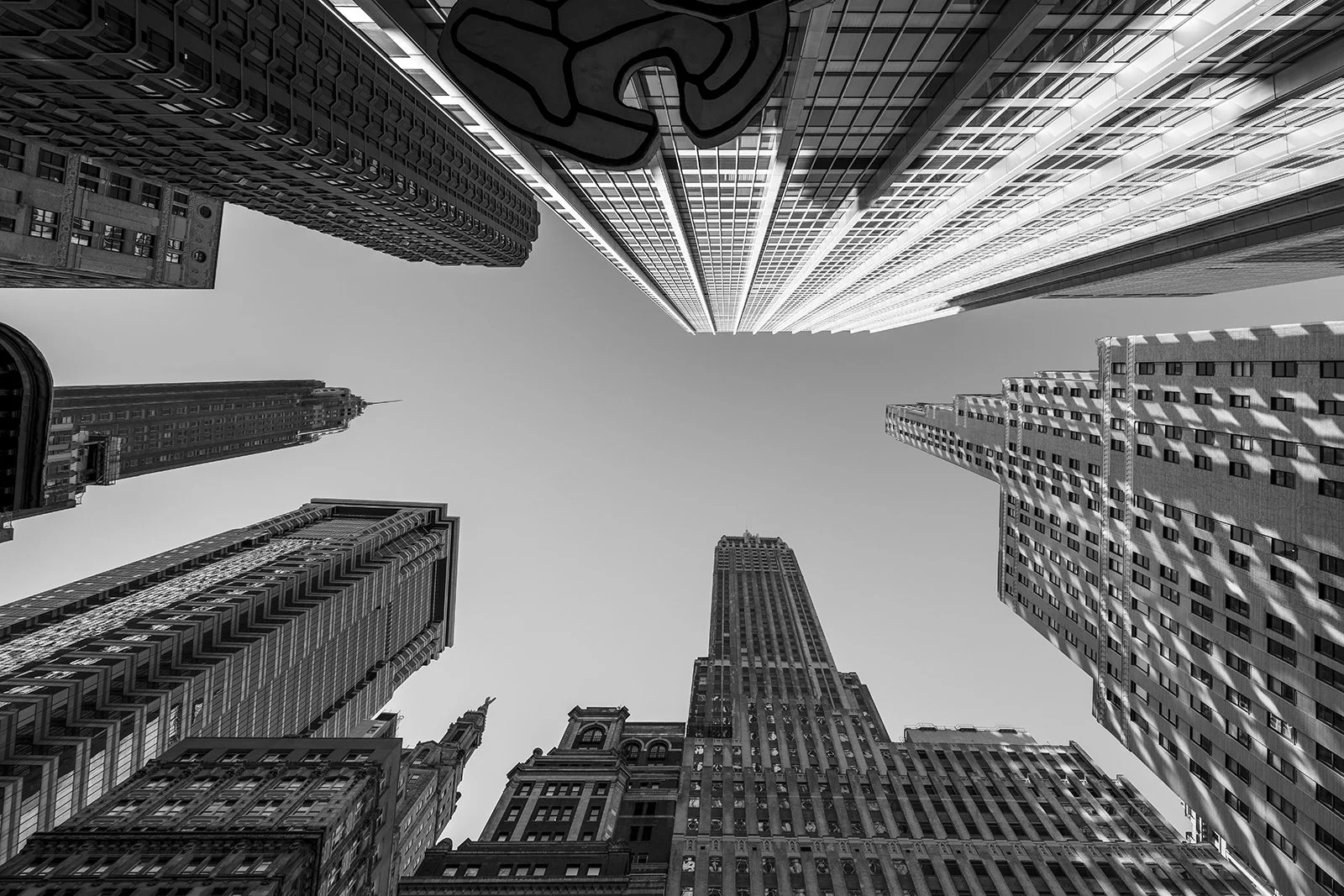
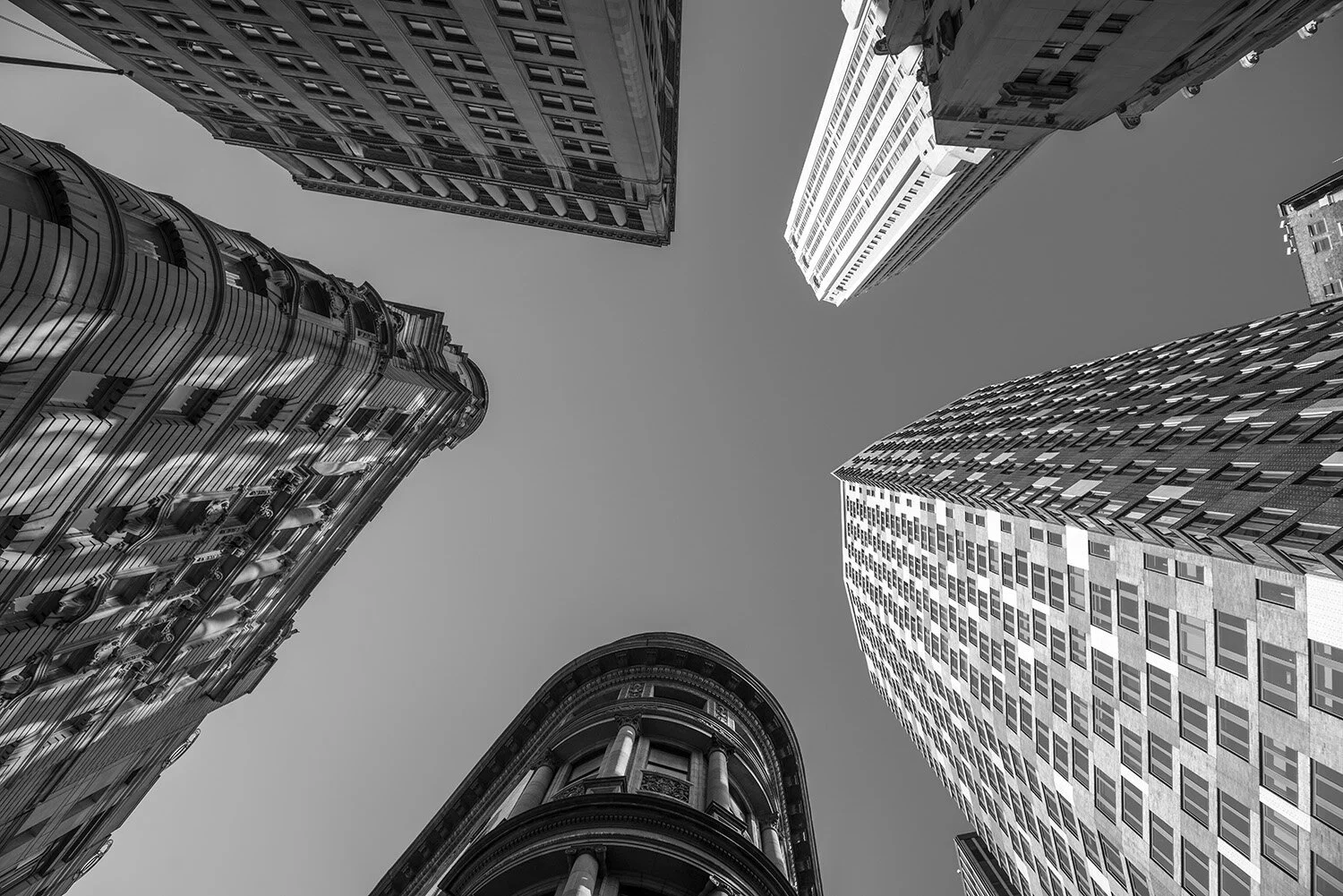
As an architect, I always have one eye focused on the built environment when I carry a camera. Over time I’ve noticed some patterns emerge. One of these is my tendency to look up. Another is a natural focus on the shape of the negative spaces made by the buildings that frame them. Often, I find these more powerful than the artifacts themselves.
© Anthony Fieldman. All Rights Reserved.
For information about availability, editions and prints, contact anthony@nomadecivilisee.com
Statement
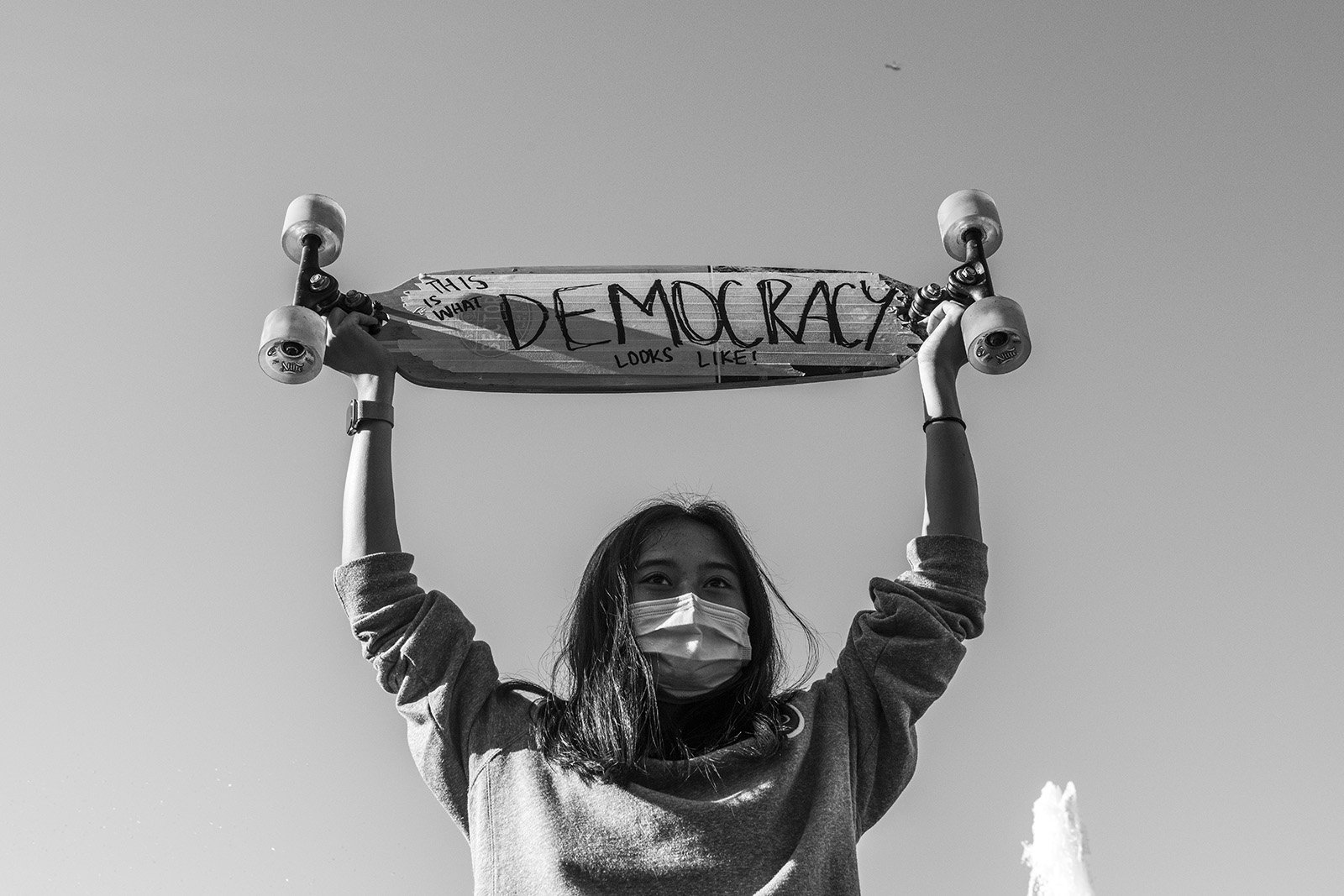
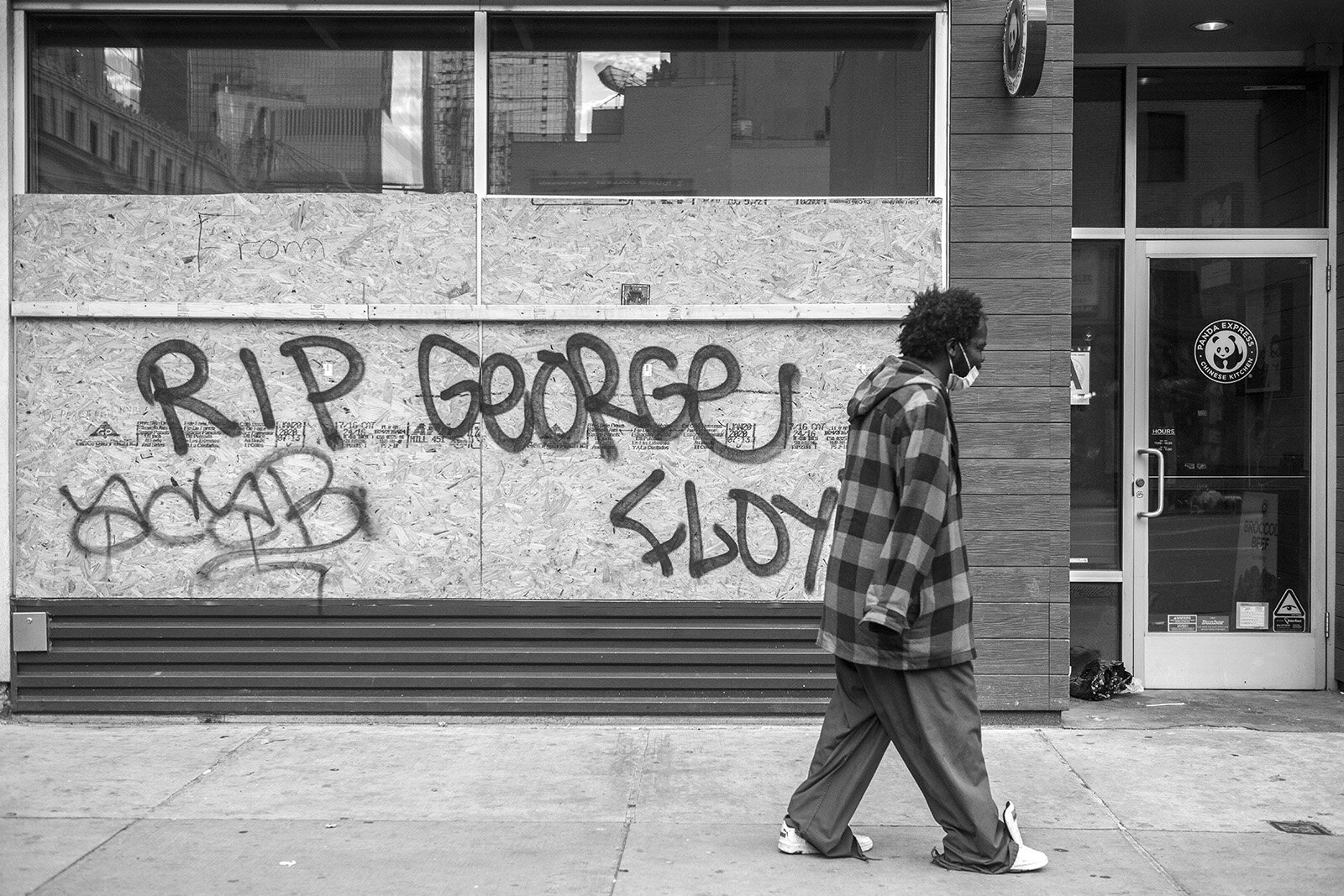
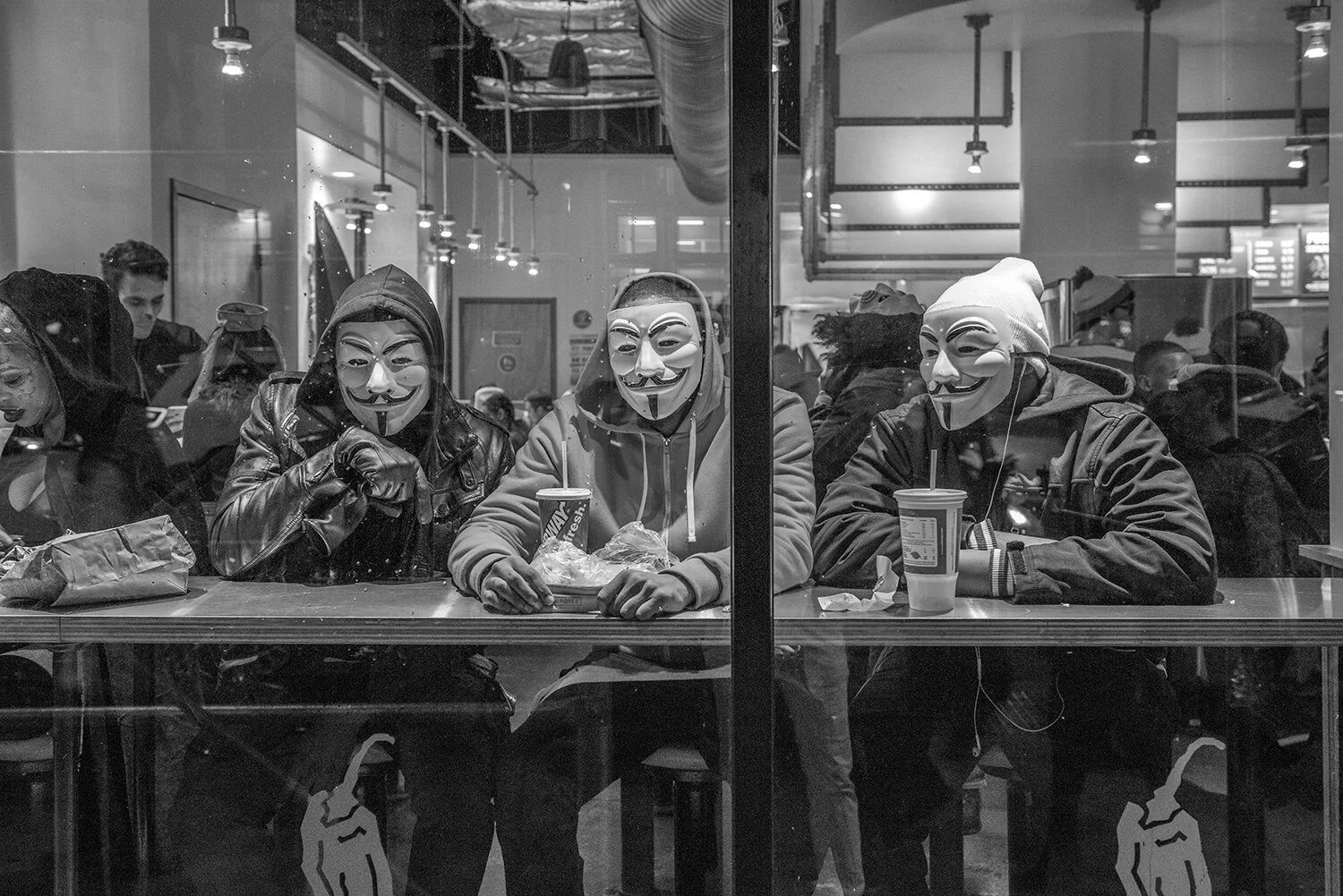
It’s been called a Second Civil Rights Movement. Though less transformative thus far, it was, by some measure, broader than the protests that led to the landmark July 2, 1964 passing of the Civil Rights Act.
For a period of time, a rainbow of human beings coalesced in the streets to say, “Enough!”
It was exhilarating to watch, and to participate.
There is much more to do.
© Anthony Fieldman. All Rights Reserved.
For information about availability, editions and prints, contact anthony@nomadecivilisee.com
Statement
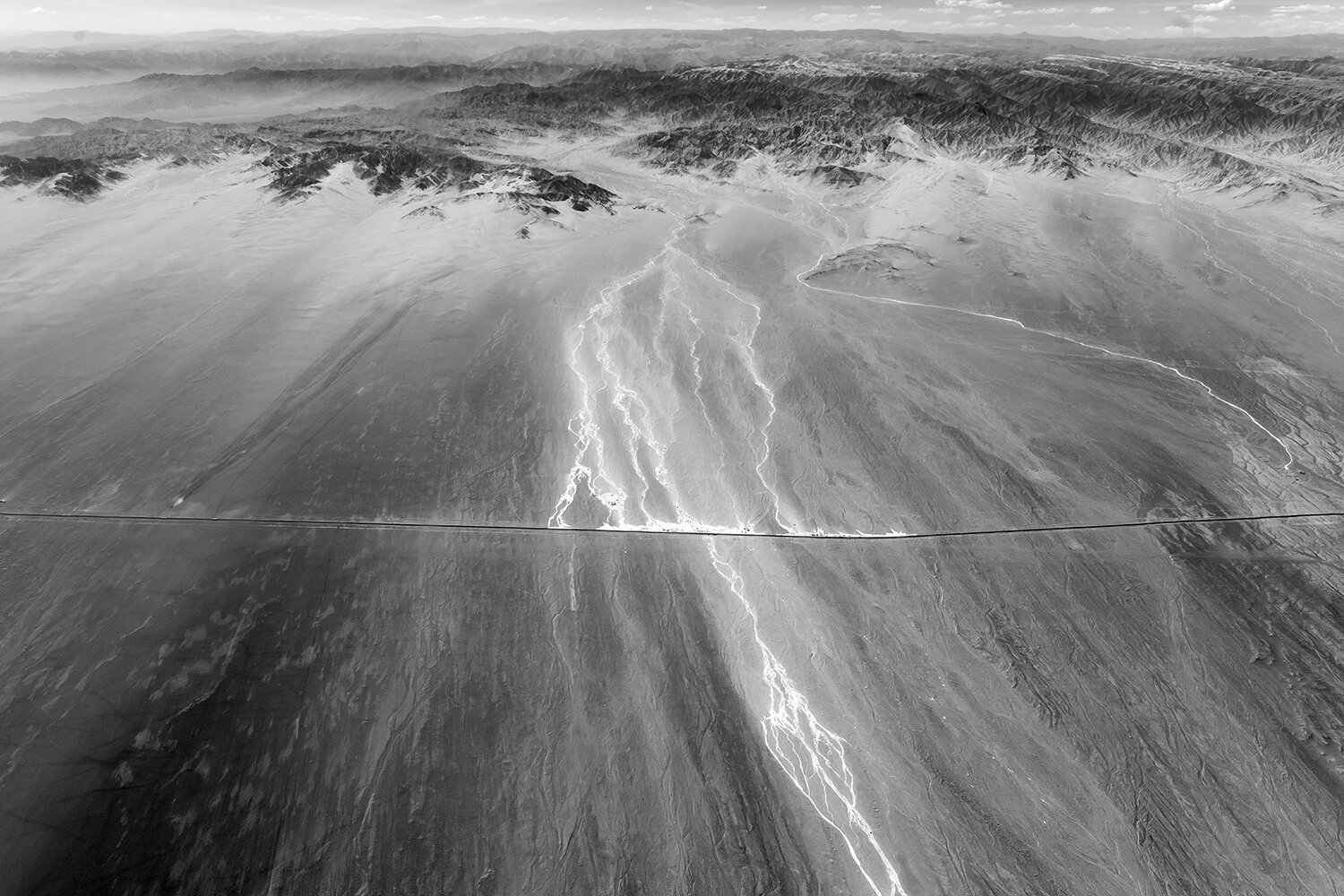
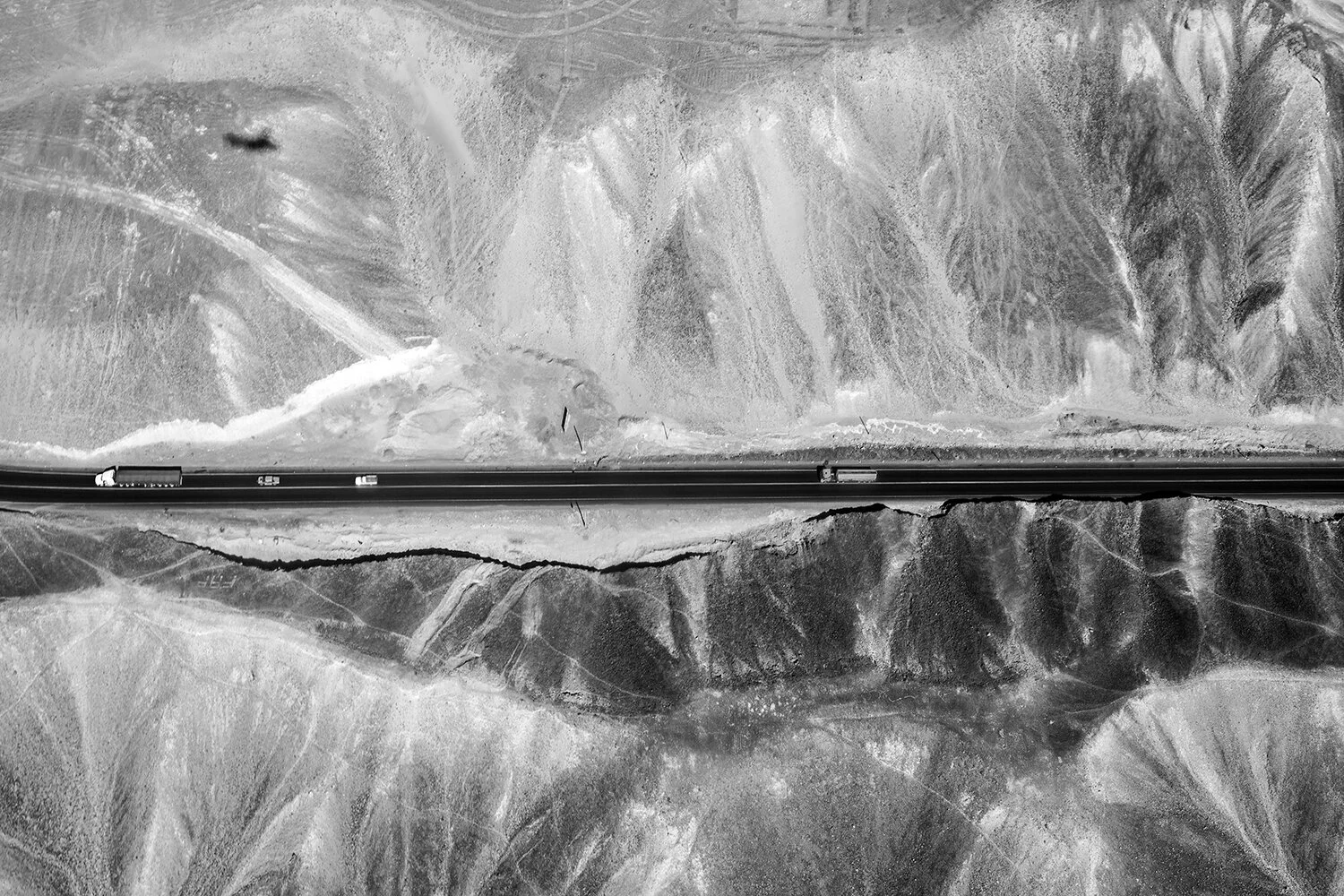
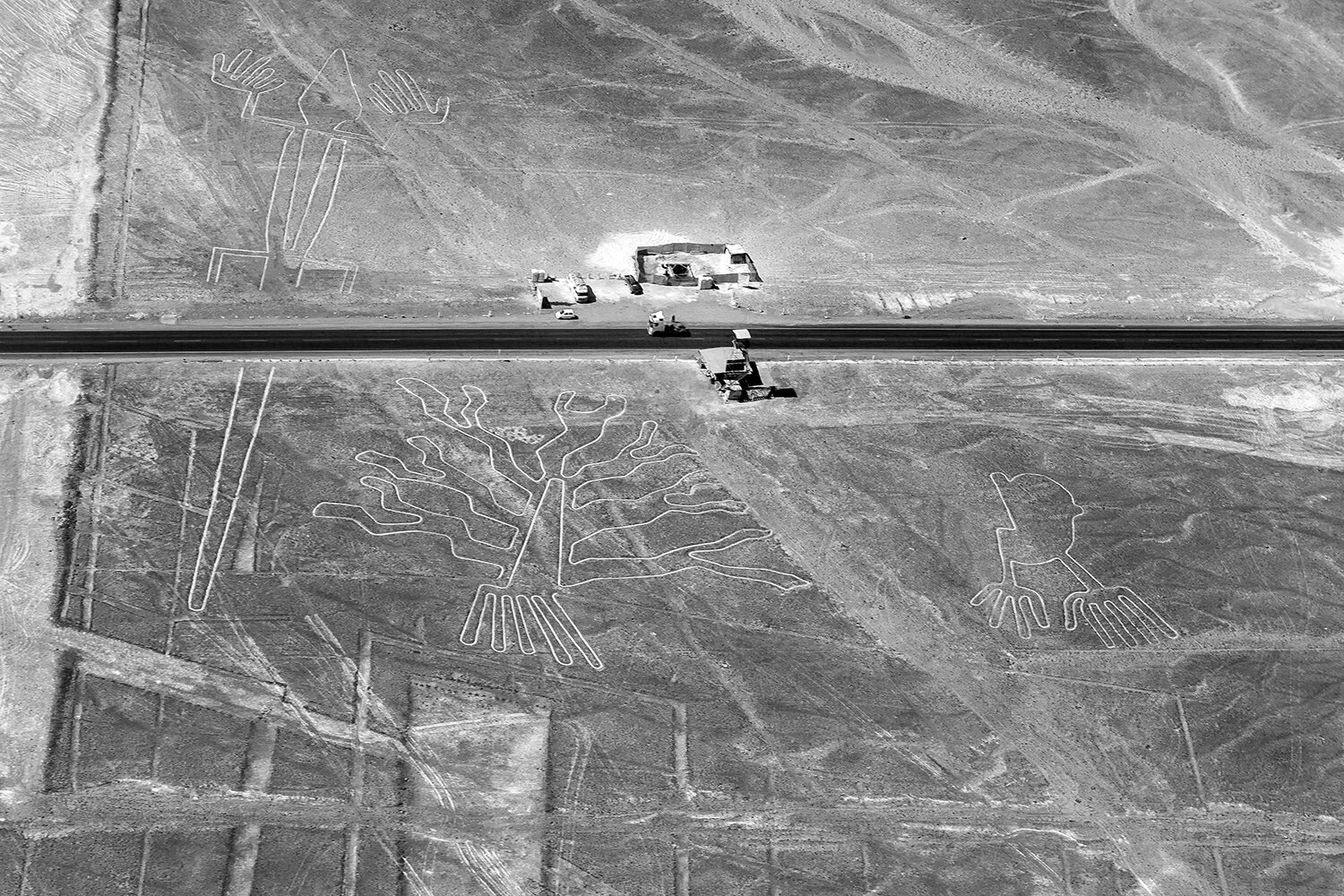
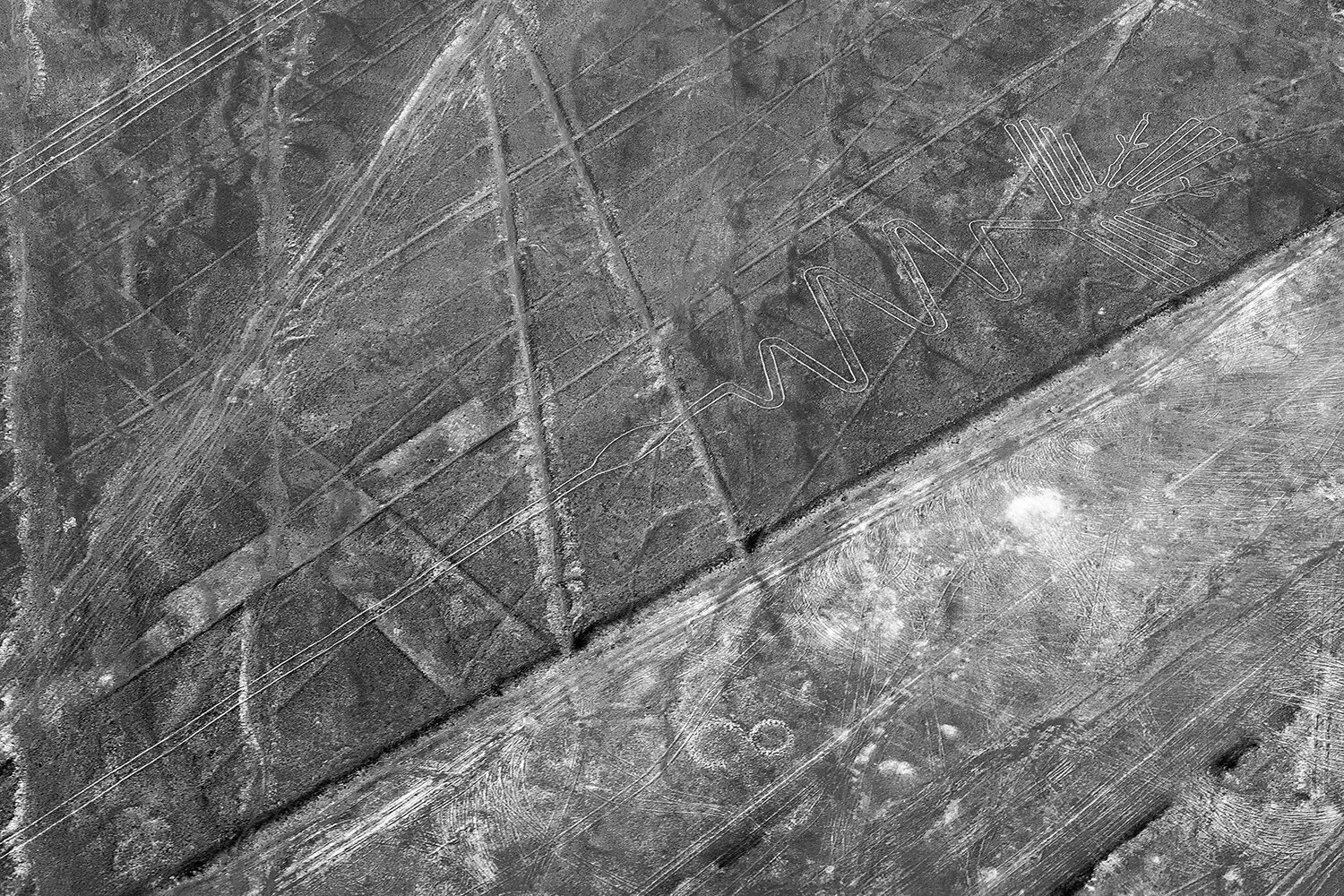
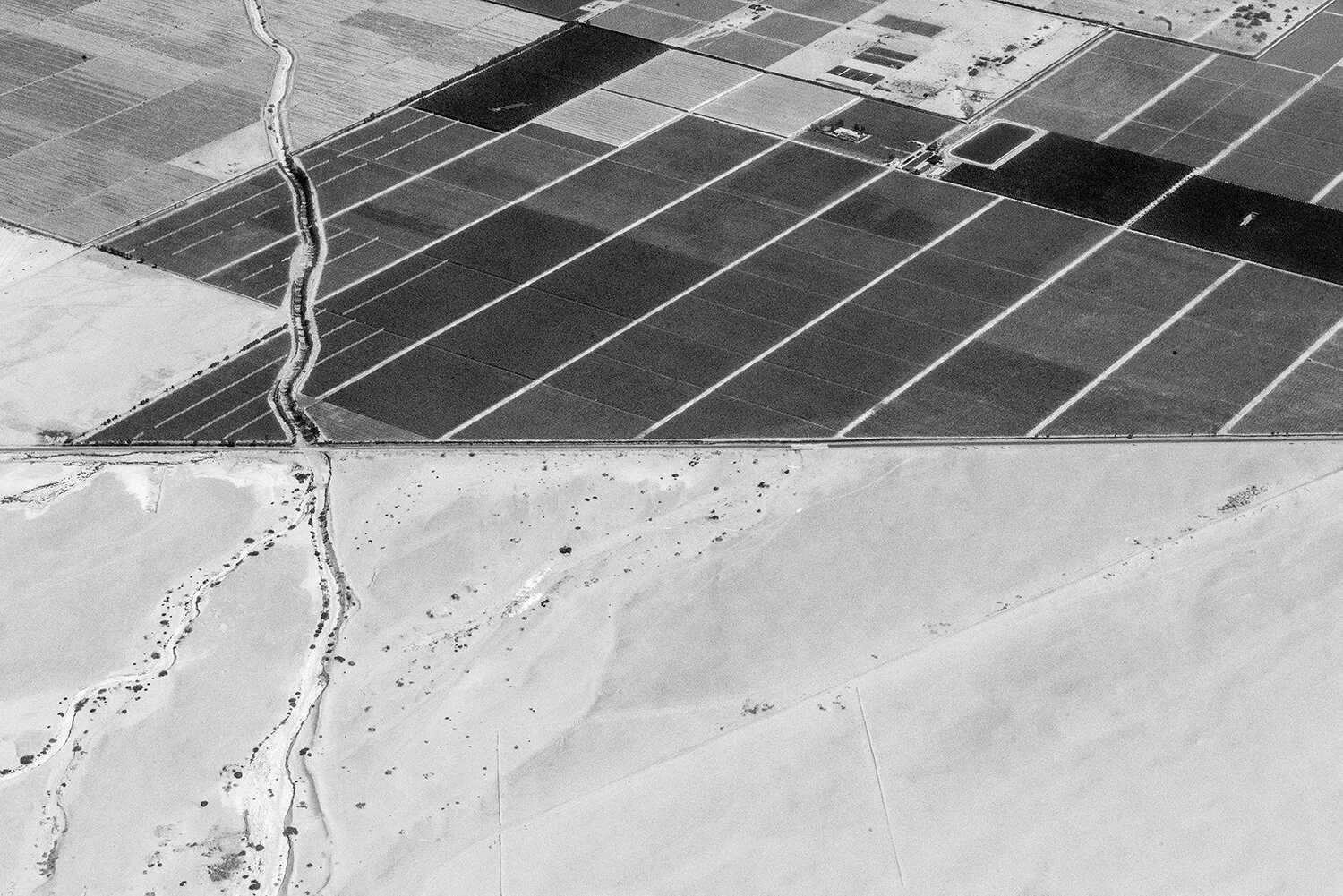
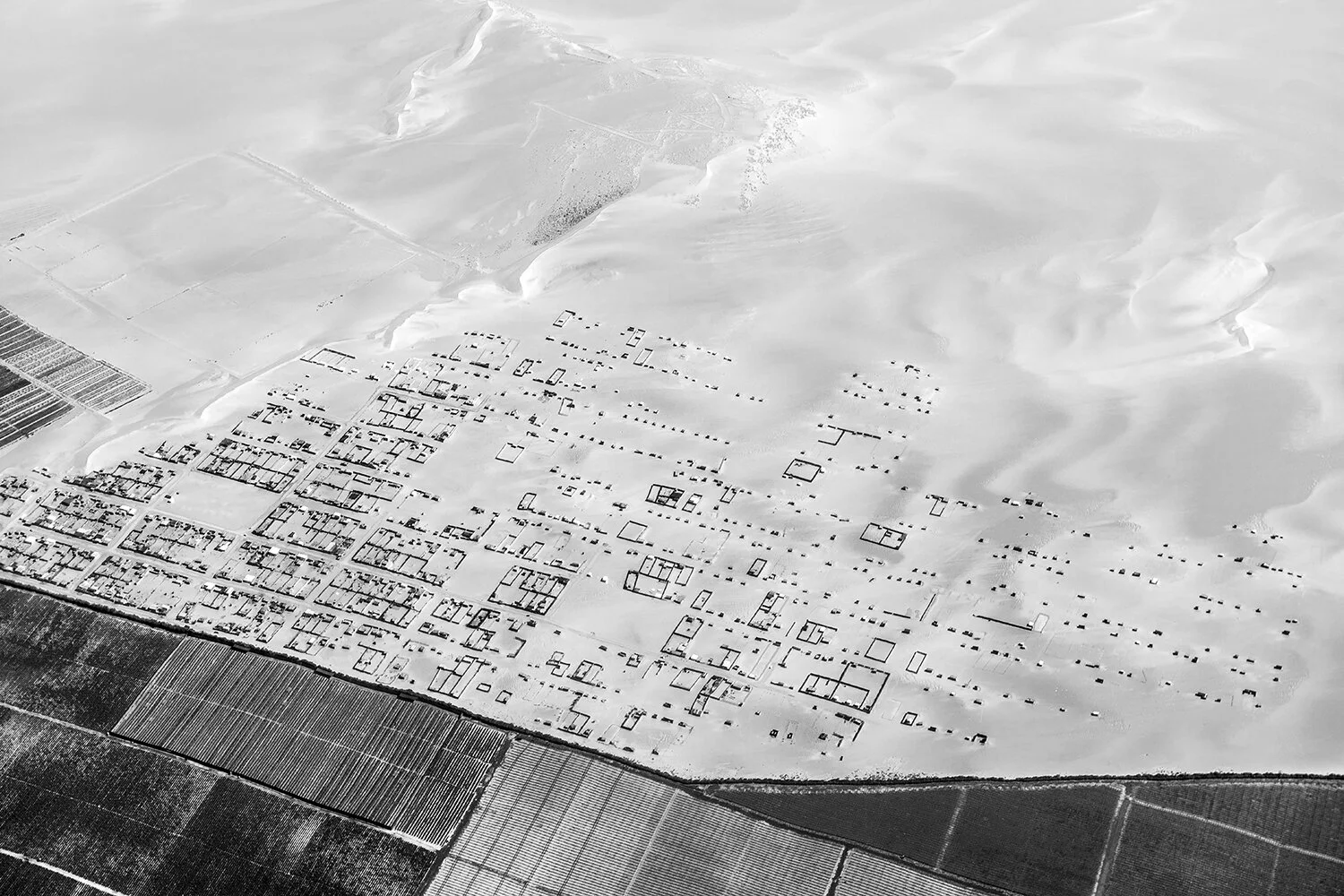
It is the driest place on Earth, raining just 20 minutes each year. It is also the least windy. Two things result from this. The first is that rainfall, as captured in these photos, remains visible for centuries after. The second—and more famous—expression takes the form of the two thousand-year-old man- or alien-made Nazca lines. Just six inches deep and carved ages ago, there is nothing to disturb them. A famous exception was made when the Pan-American Highway inadvertently sliced through an ancient lizard’s tail. It took decades more to discover the transgression, with a new technology called the aeroplane…
Nazca is magical when viewed from the sky.
© Anthony Fieldman. All Rights Reserved.
For information about availability, editions and prints, contact anthony@nomadecivilisee.com
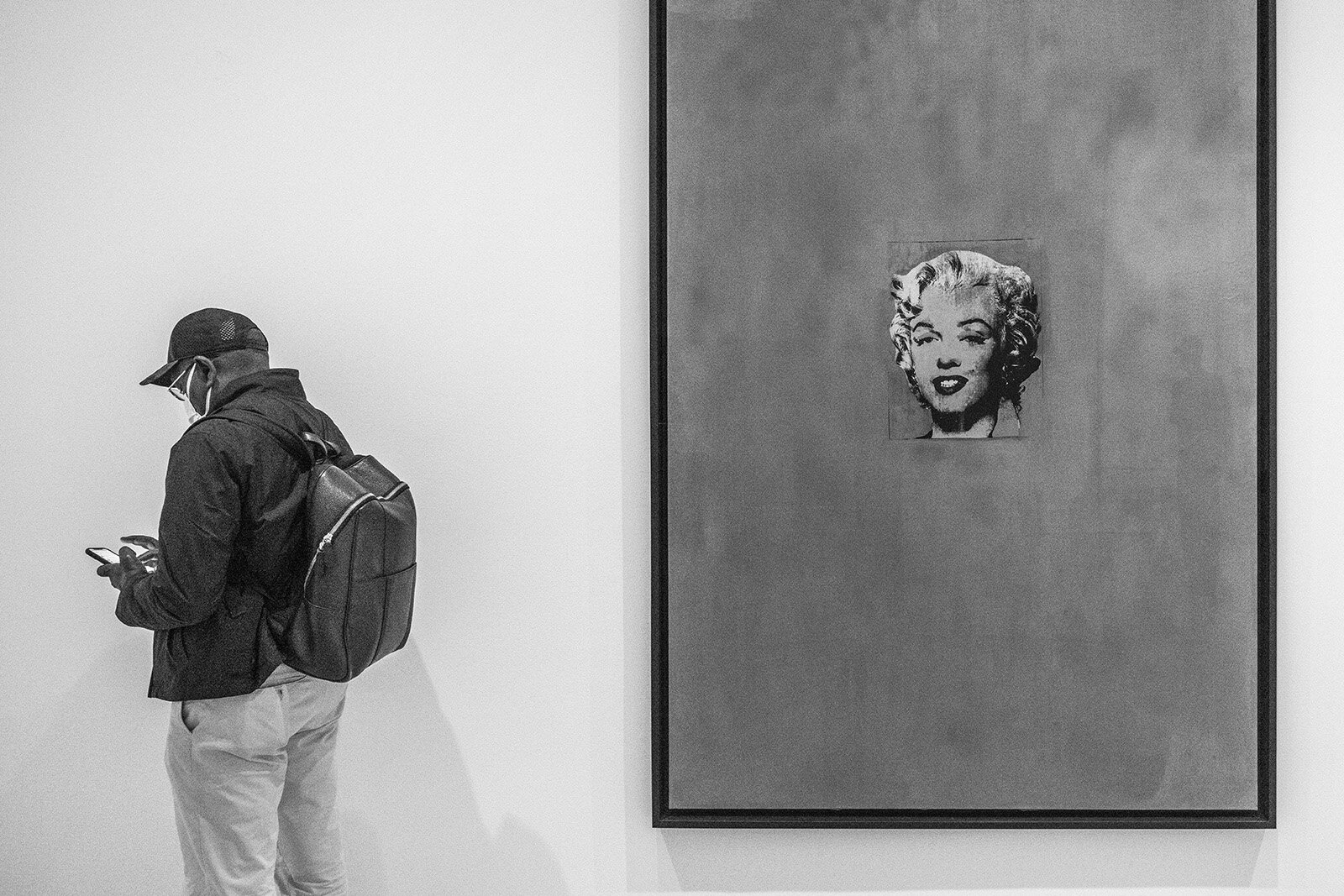
Art appreciation no longer revolves around the authentic contemplation of an artist’s world, nor the insights and inspirations that often result from that act.
Rather, in the Digital Age, it has become something agnostic to these things. Our ears, eyes and minds now play a secondary role to our focus on accumulating photographic tokens, by association with which we hope to convey something curated, and largely inauthentic, about ourselves to our own audiences.
Art is, by and large, now no more than a proxy; it is a currency the value of which is in one’s proximity to the object being digitally captured and shared on social media. In the process, that same object is largely ignored, per se.
A large majority of museum patrons today are "art-adjacent": physically near, with photographic proof in hand, yet otherwise shockingly absent. Nowhere in this paradigm does the art itself exist in its intended form: there to externalize something internal, as a catalyst for self-learning and for communicating those lessons to the viewing public. Instead, the art patron's attention now lasts as long as the screen grab.
Sadly, perhaps for the first time, art is no longer the barometer and currency of our collective cultural inheritance.
That was yesterday.
Today, the accumulation of tokens is all that remains. That is, if the patrons are even paying attention.
© Anthony Fieldman. All Rights Reserved.
For information about availability, editions and prints, contact anthony@nomadecivilisee.com
Near Matisse's "Dance (I)"
Near Warhol's "Gold Marilyn Monroe"
Near Pollock's "One: Number 31" I
Near Warhol's "Gun" (Double Barrel)
Near Calder's "Black Beast" II
Near Walker's "African't"
Near Cézanne's drawings
Near Monet's "Water Lillies"
Near Taylor's "Les Grandes Répétitions: Cecil Taylor à Paris"
Near Stieglitz, Atget, Steichen and Co.'s Photographs
Near Newman's "Vir Heroicus Sublimis"
Near Warhol's "Shadows"
Statement
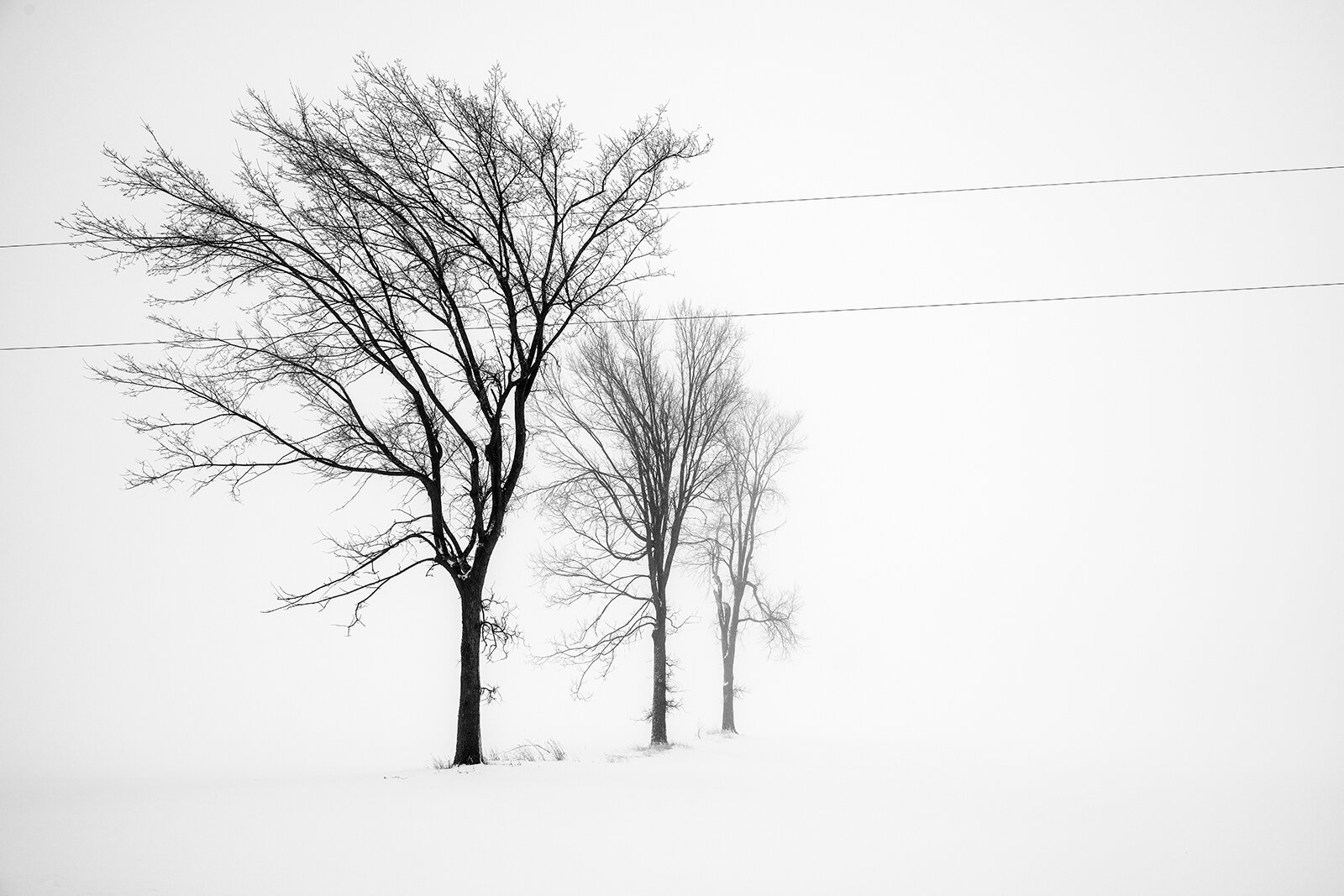
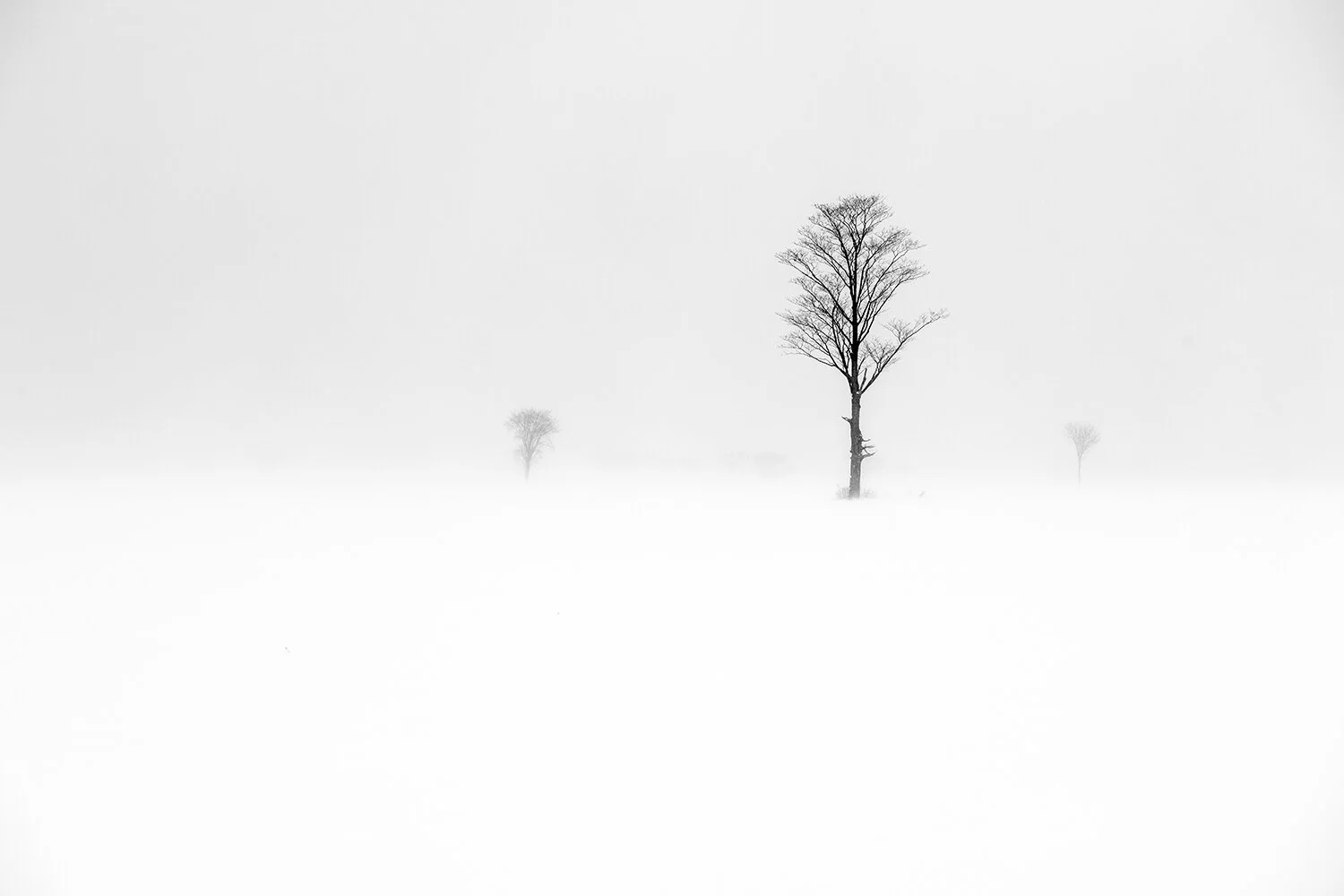
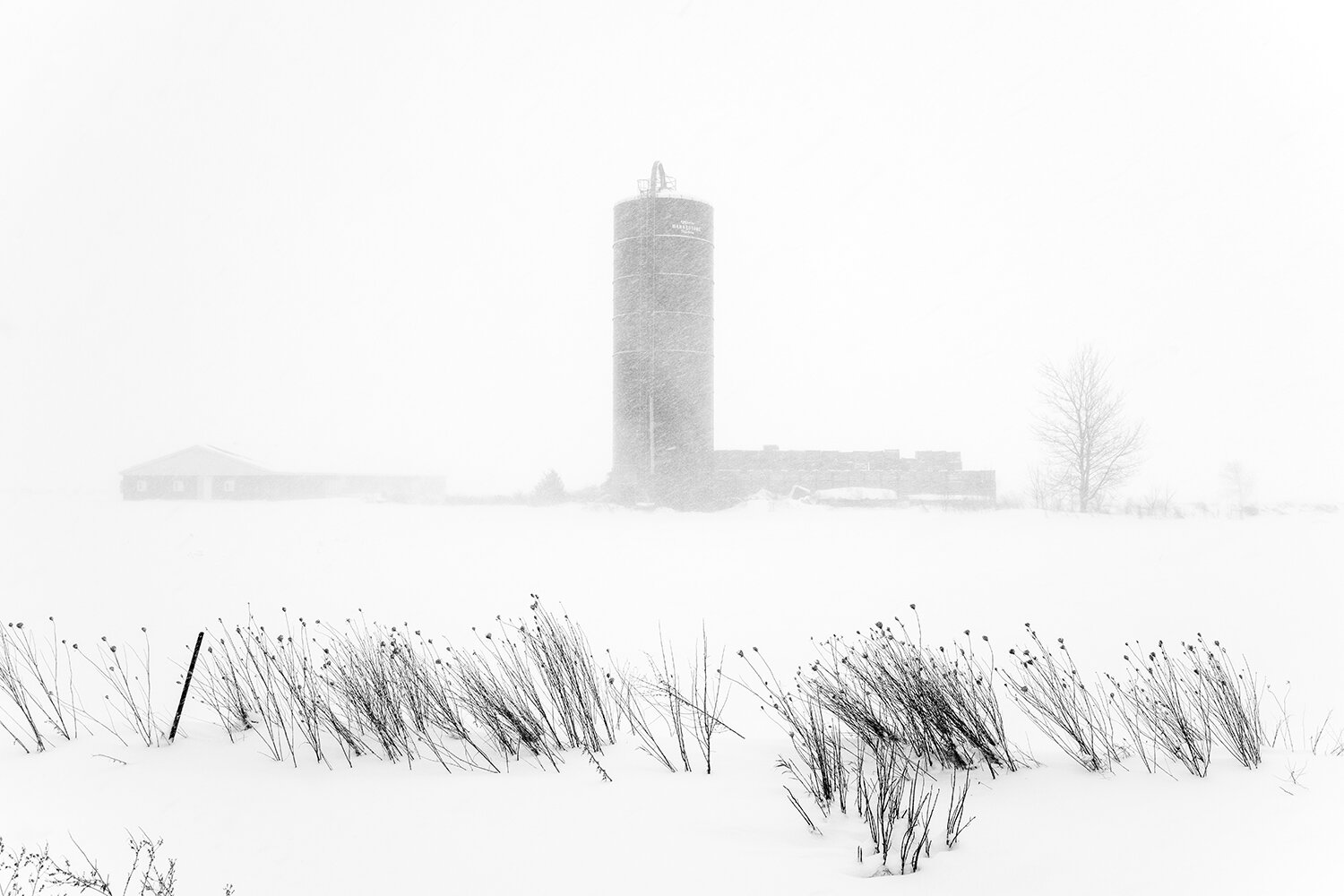
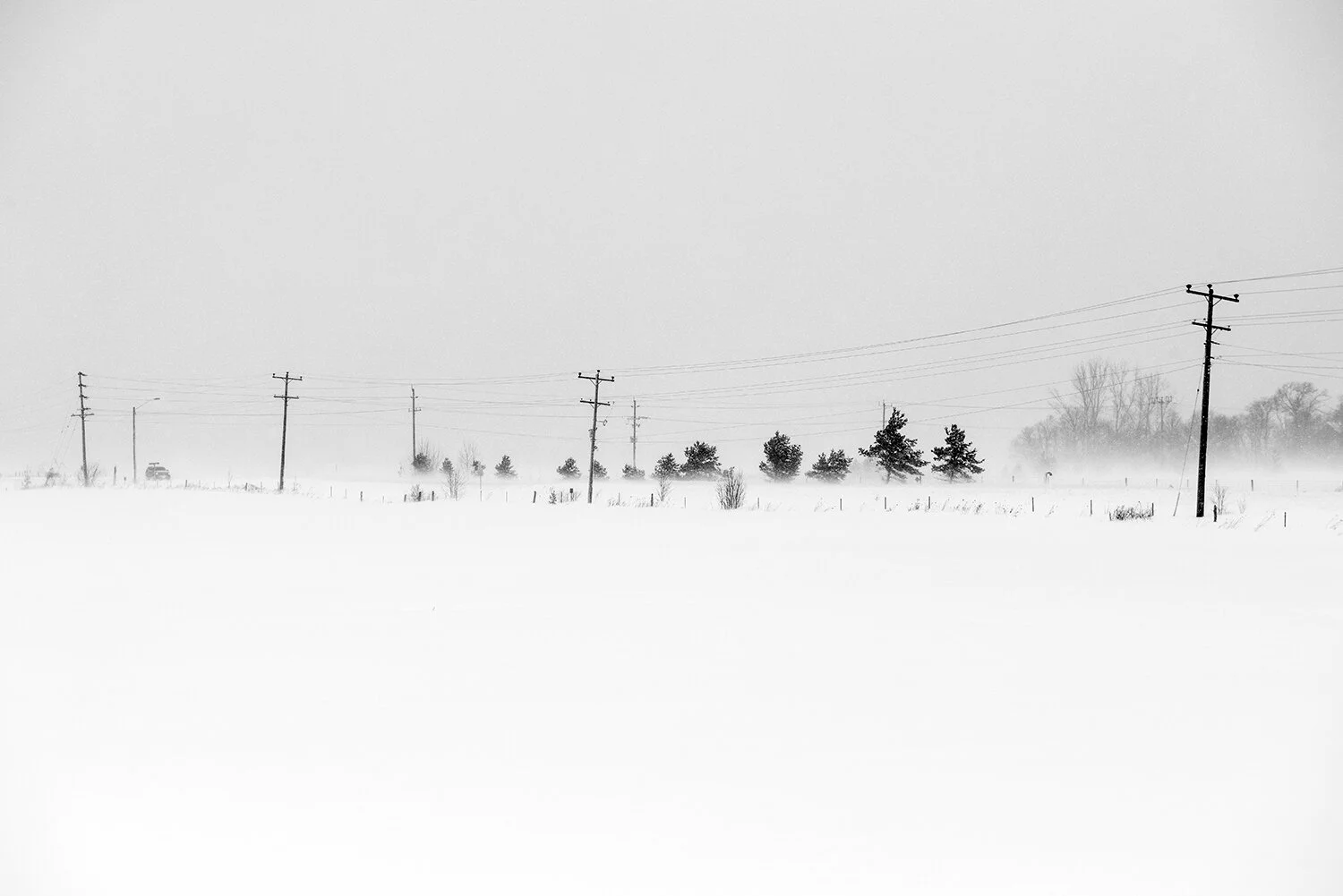
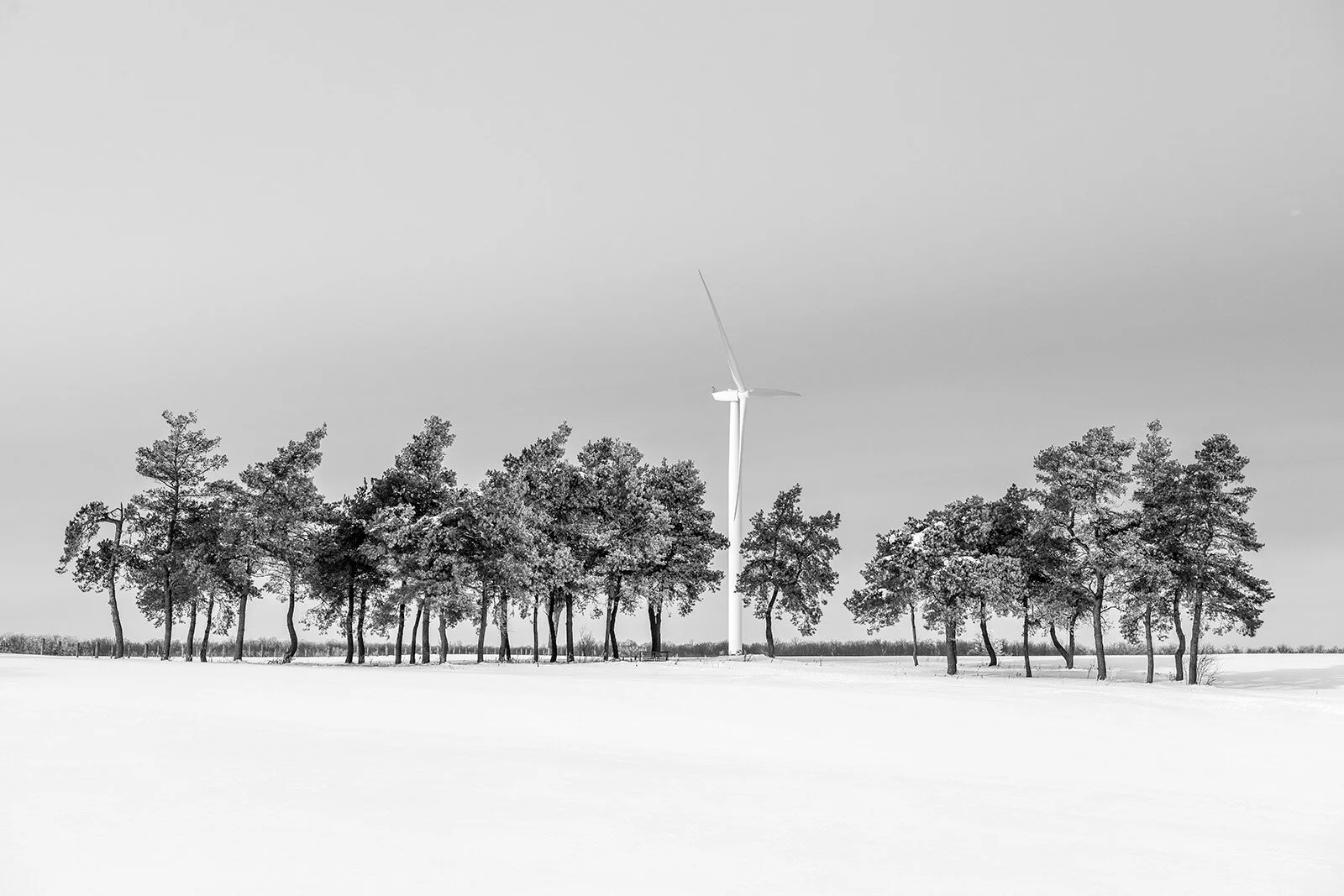
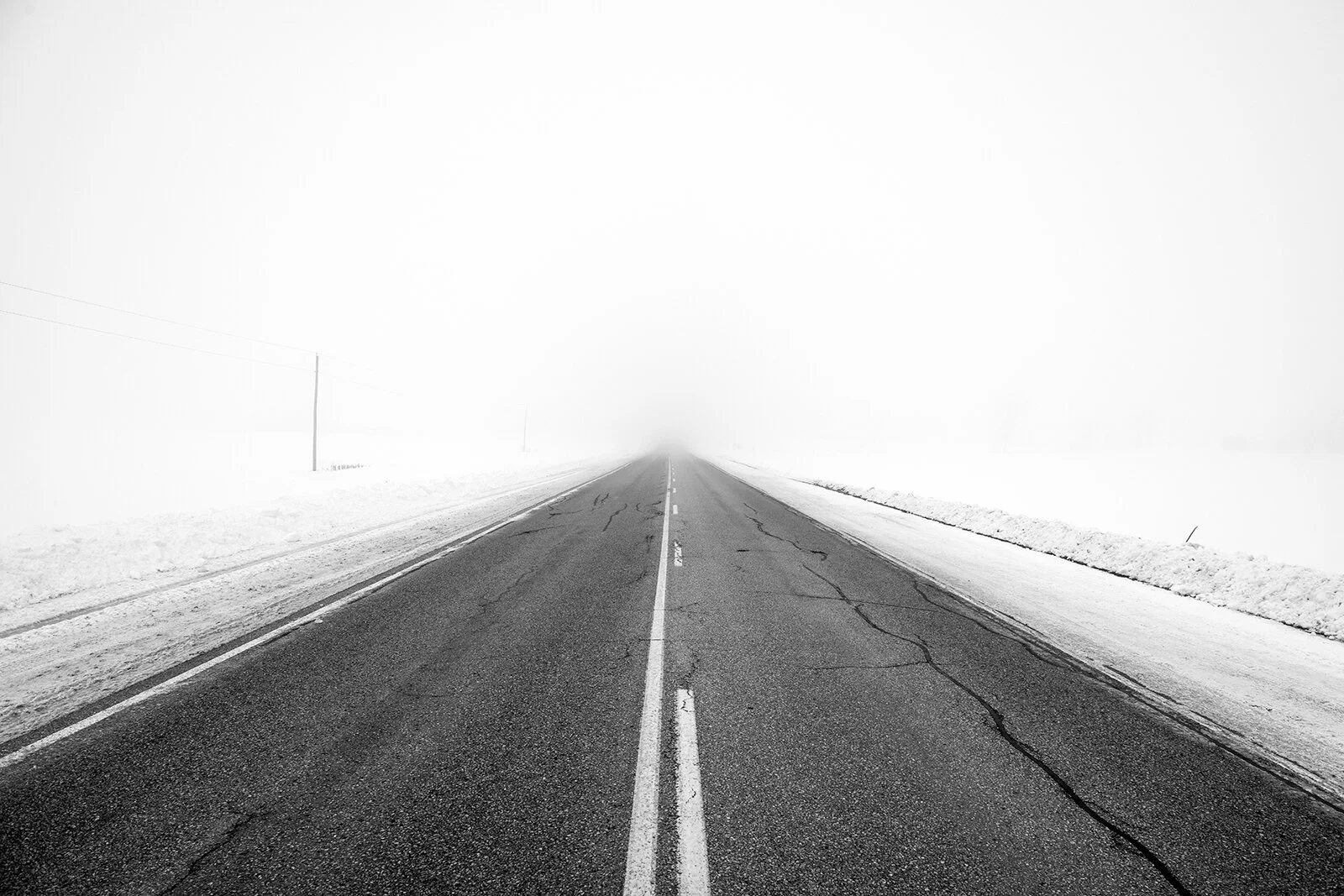
More than any other quality, it is the Canadian landscape that defines their national identity. Set against the majesty of other provinces, Ontario is a relatively flat, featureless place. Moreover, winter is fierce and long. When it arrives, it stays. Outside of urban areas, that means the province is blanketed with deep snow for 6 to 8 months of each year. When Ontario turns white, it becomes utterly magical.
During the pandemic, rural Ontario’s wide-open spaces were a welcome reprieve from the stresses caused by a psyche-destroying, protracted provincial lockdown. These photographs were my way of reconnecting with Nature’s intrinsic beauty.
© Anthony Fieldman. All Rights Reserved.
For information about availability, editions and prints, contact anthony@nomadecivilisee.com
Statement
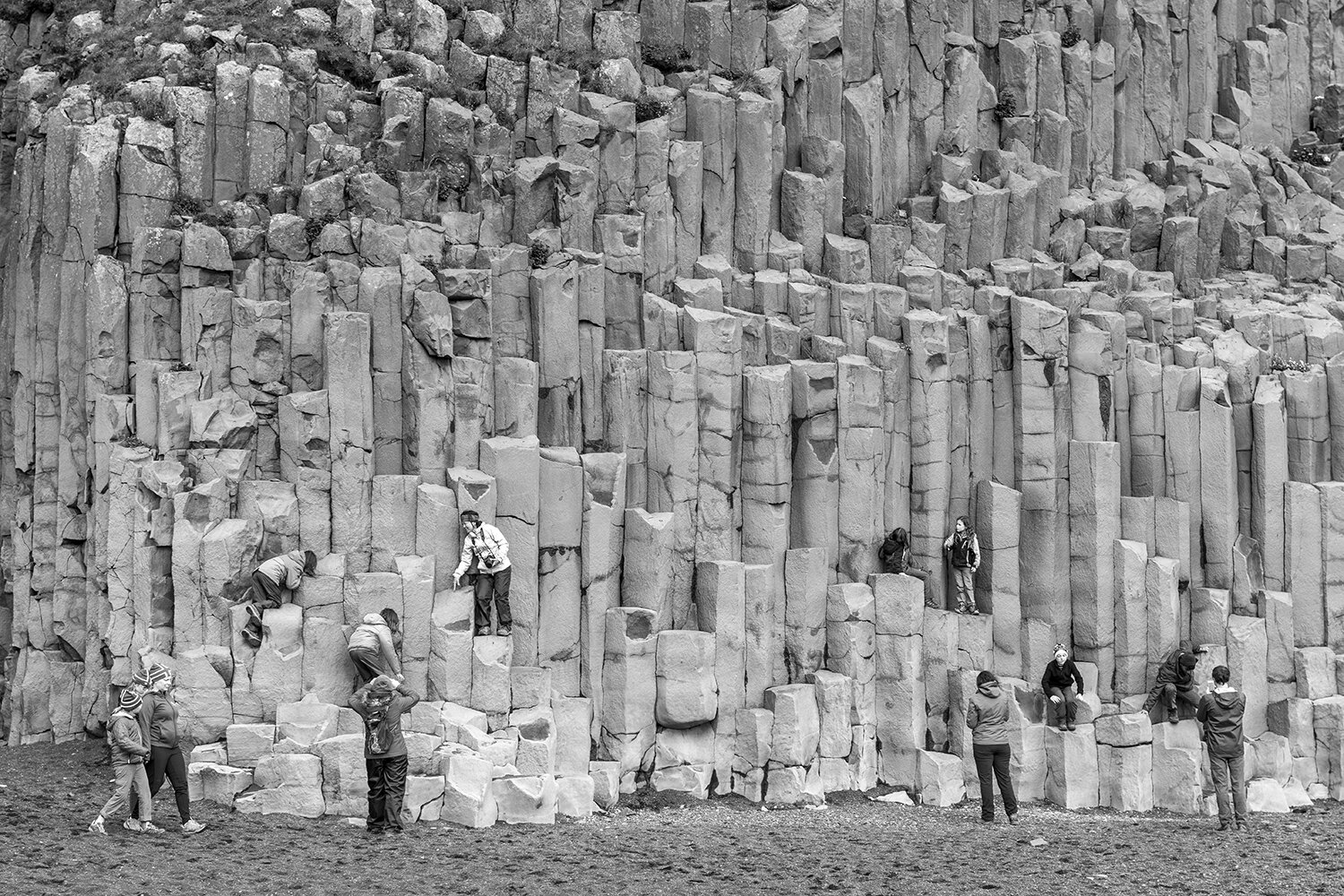
In the Land of Fire and Ice, it is impossible to navigate the bare-knuckled landscape and not be cowed by its majesty.
Tectonically, Iceland is being continuously ripped apart, as half of it sits on each of two plates traveling in opposite directions. Volcanic eruptions are regular, and continually attempt in vain to “weld” a torn landmass back together.
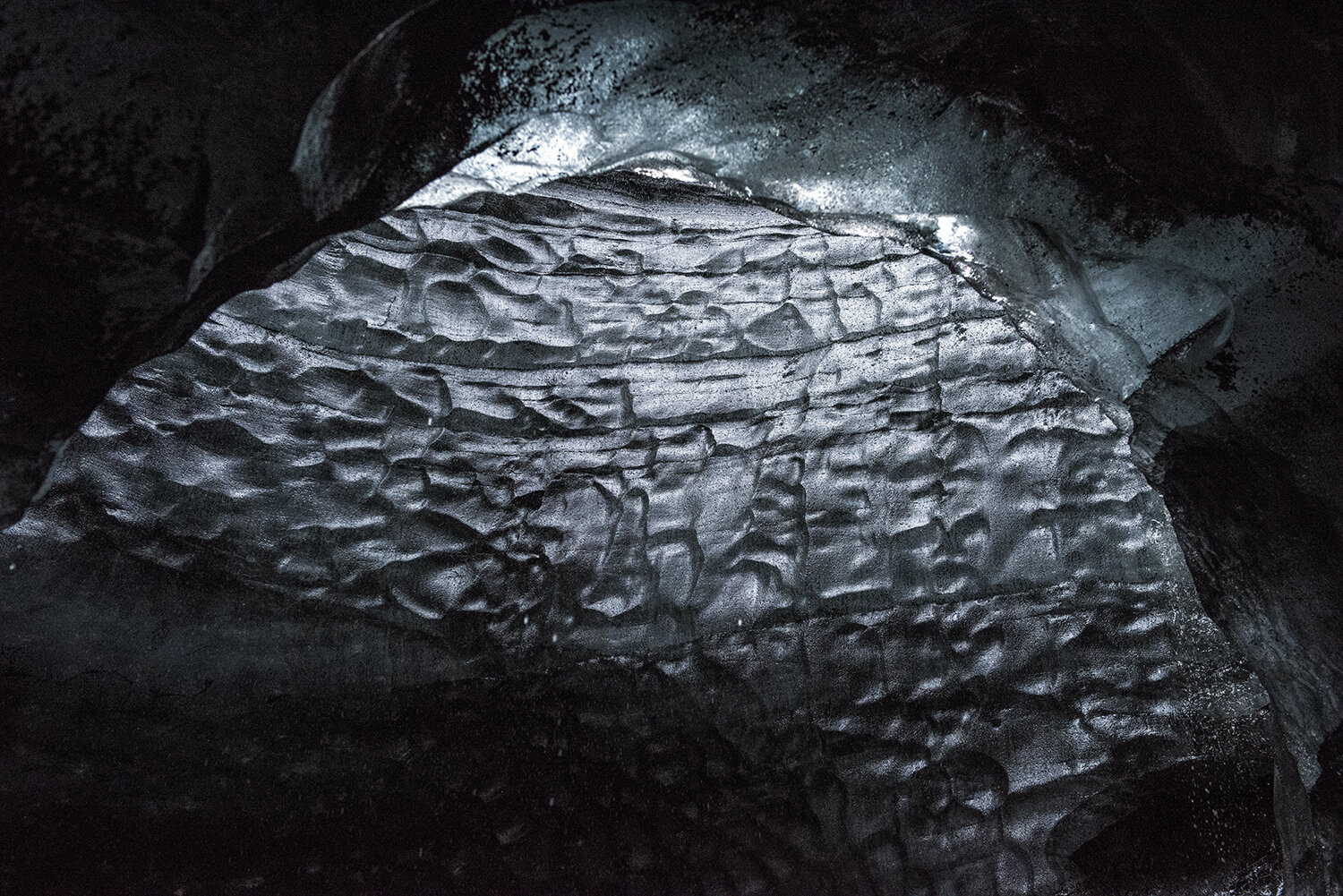
Even the ice, deep in the glaciers, is blackened by past eruption-fueled meltwater, re-frozen.
It is, truly, a haunting landscape.
© Anthony Fieldman. All Rights Reserved.
For information about availability, editions and prints, contact anthony@nomadecivilisee.com
Statement
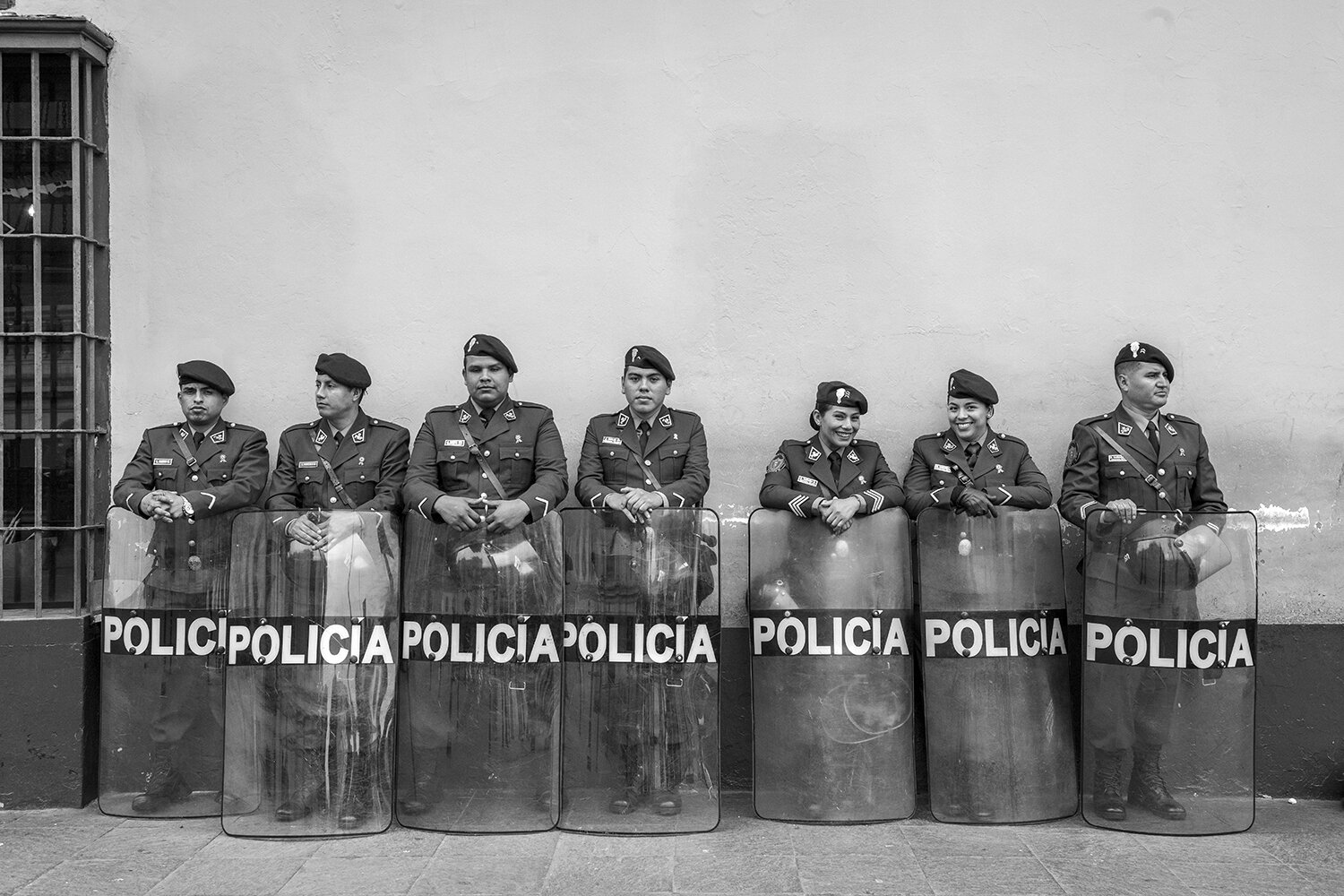
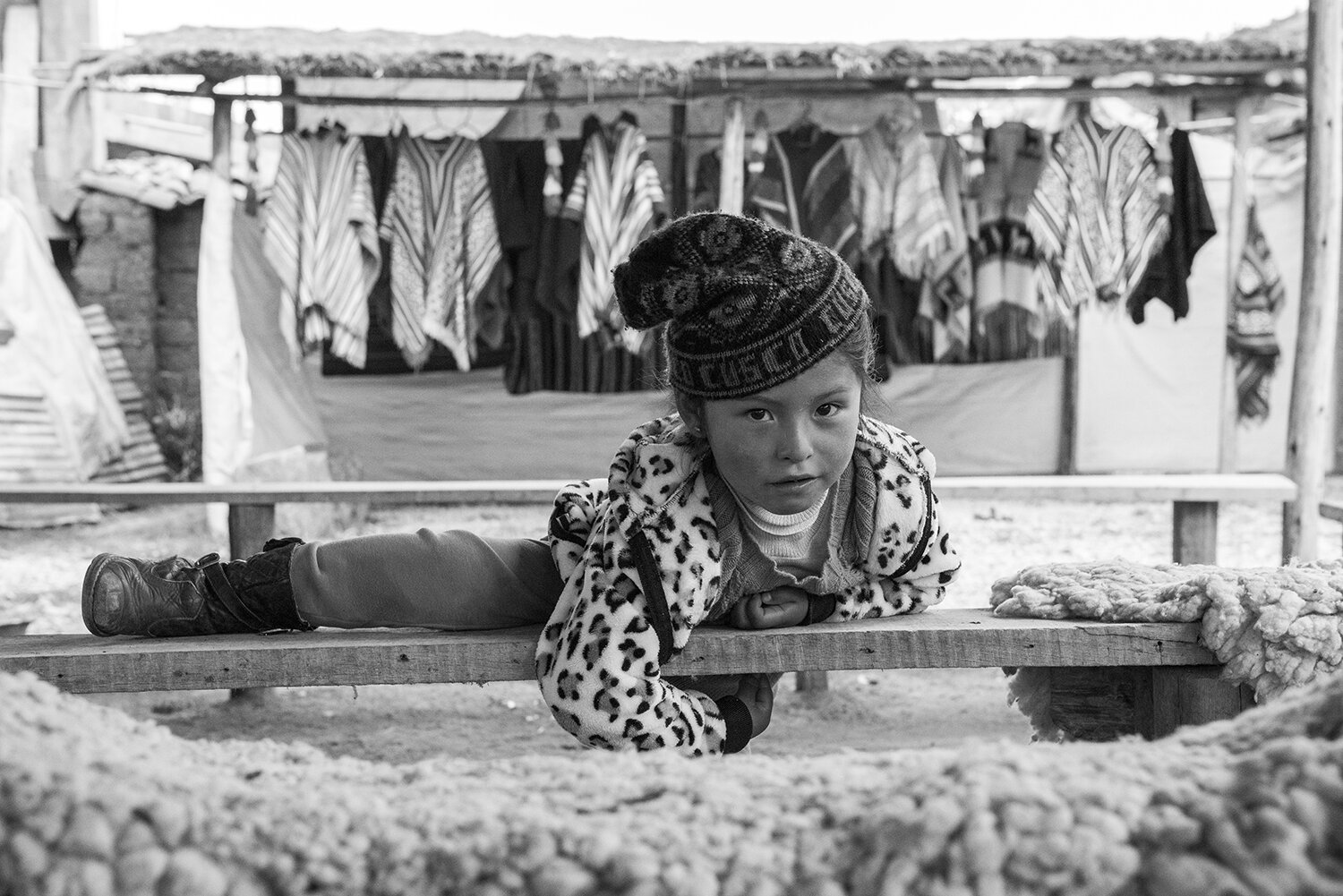
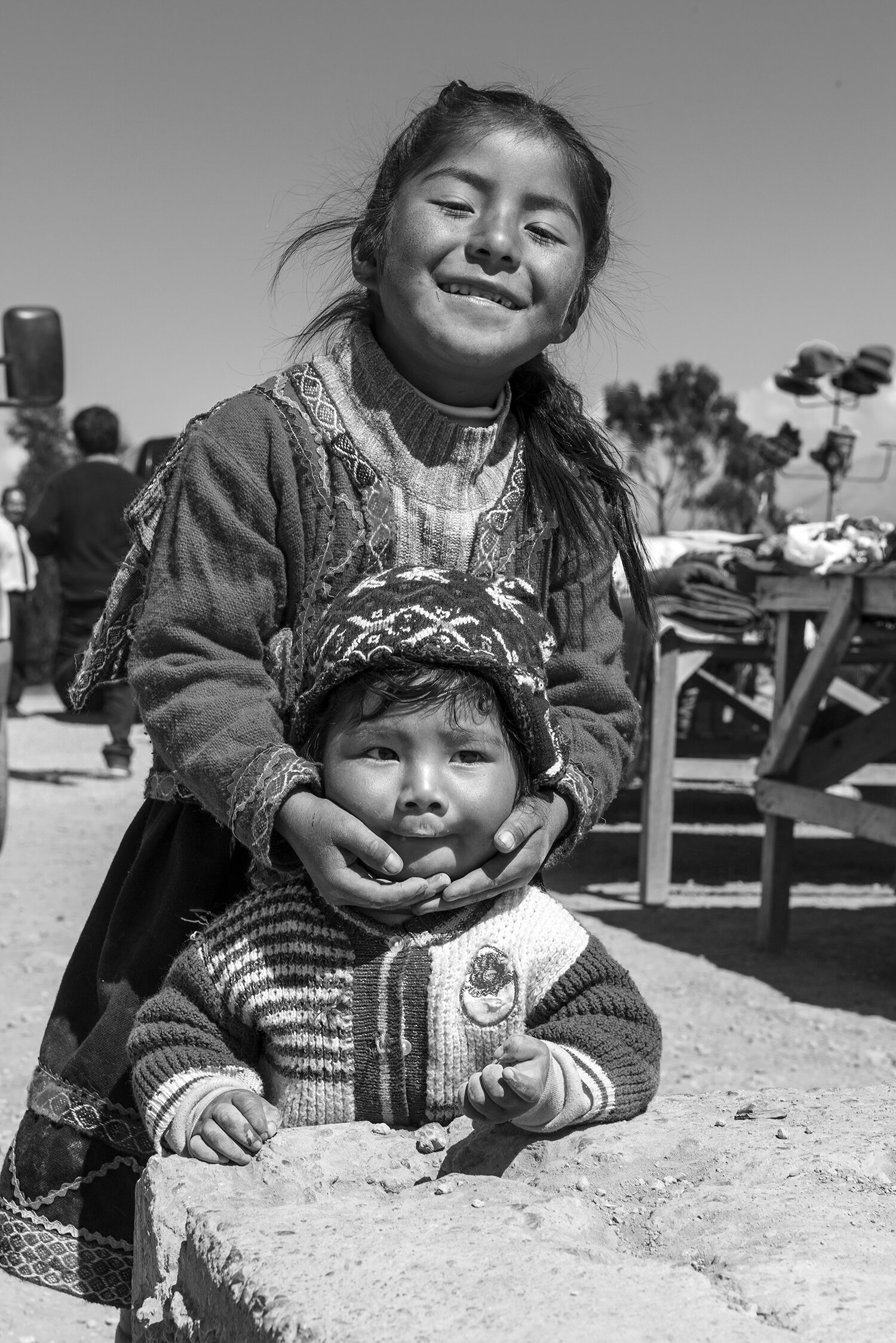
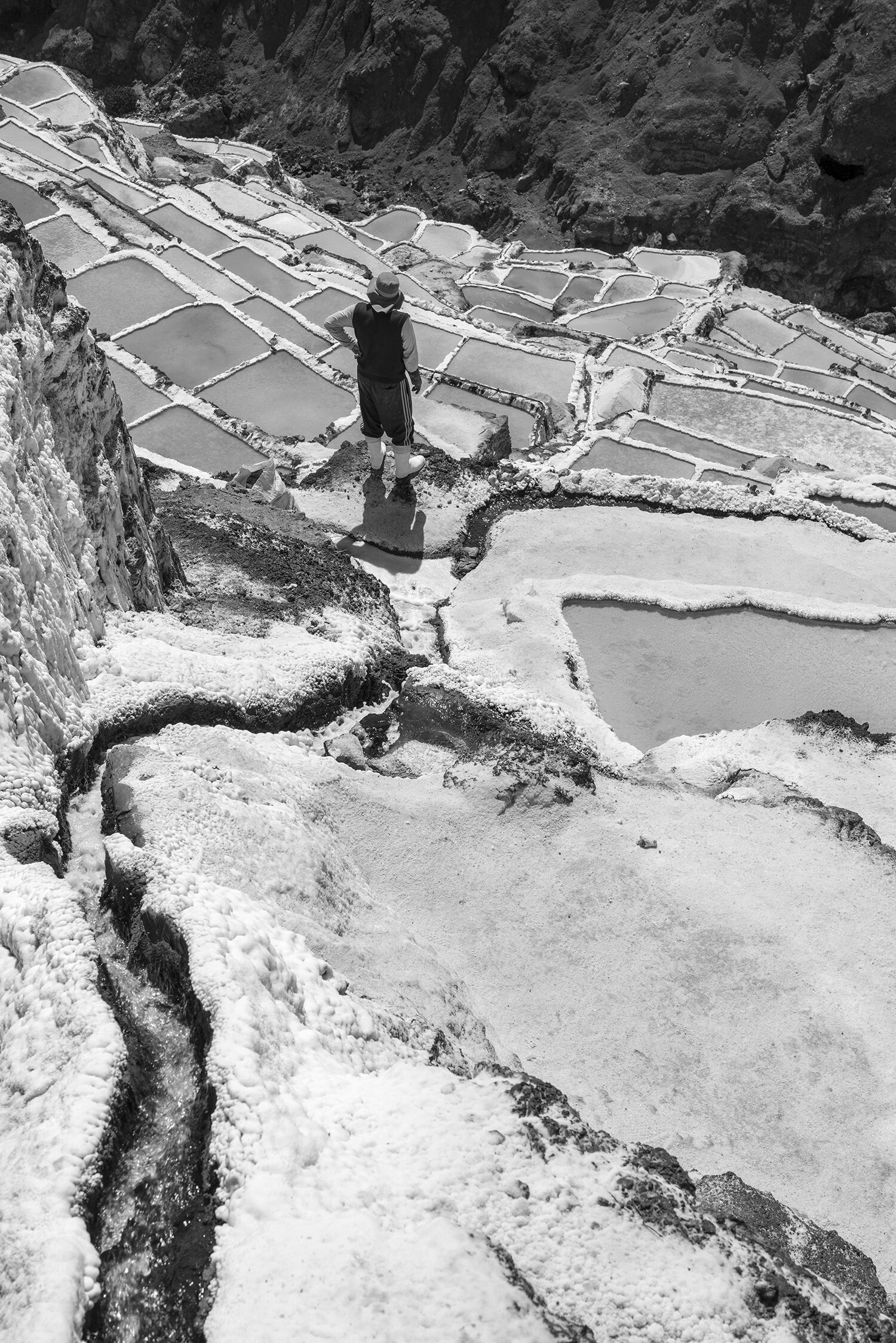
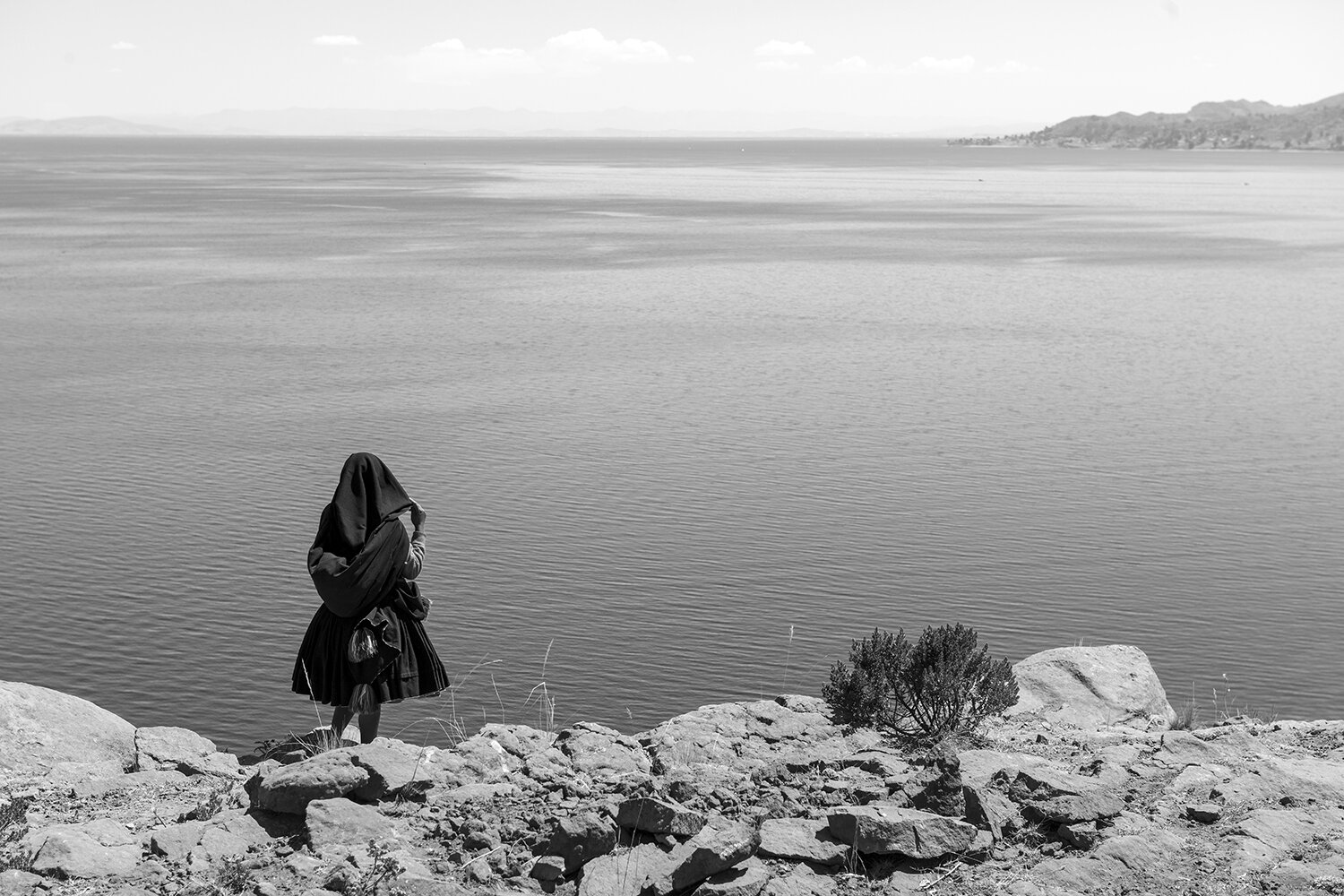
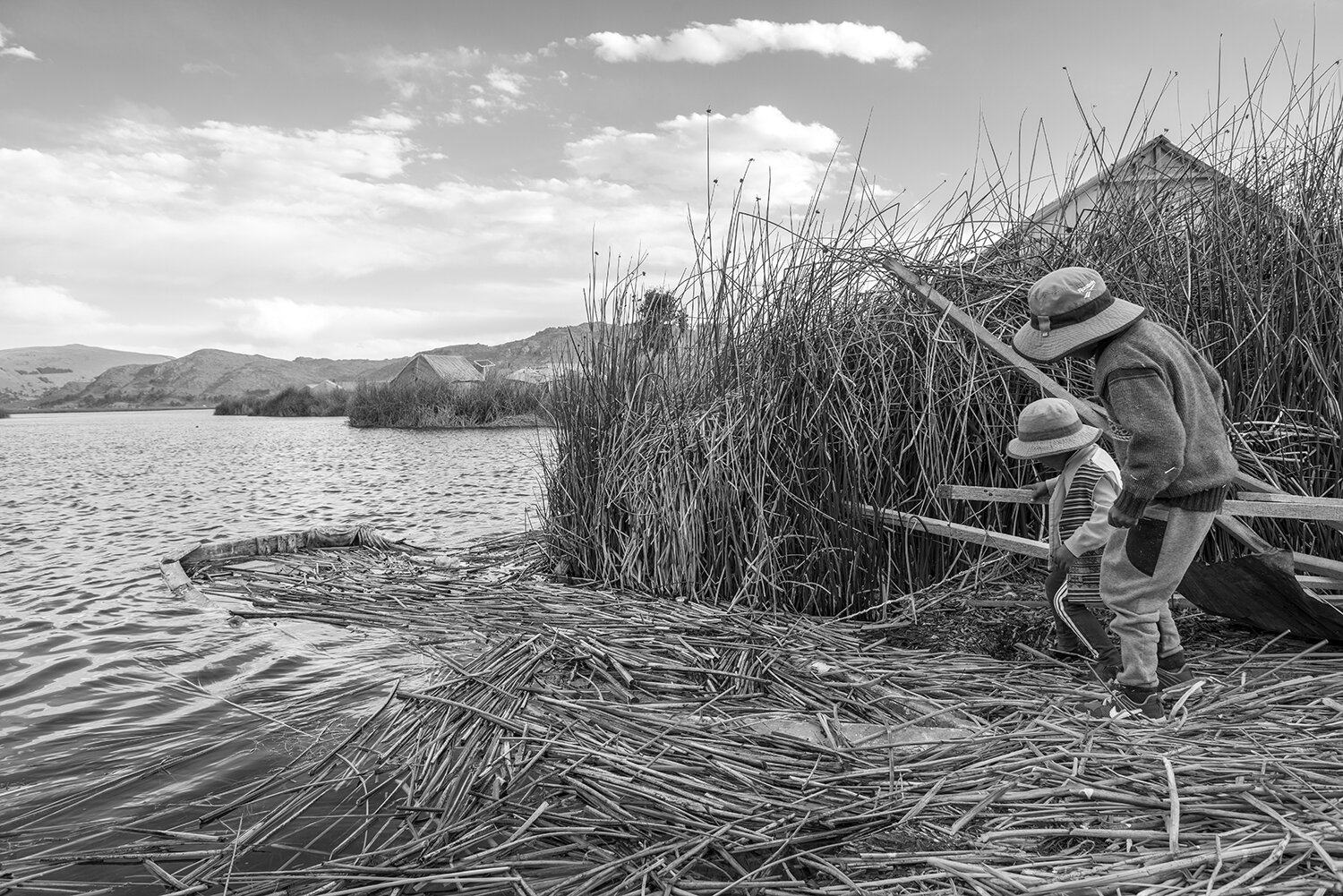
The Land of the Inca, the Nazca and the Uros is ancient, and varied. The Amazon, the Sacred Valley, the Atacama, the Ballestras and Lake Titicaca bring you from the wettest place on Earth to the driest, and everything in between.
Reaching closer to the sky than most other places on the planet, the rich and historic nation fell to colonialism, like so many others, bringing incalculable losses of human life, richness, and culture.
© Anthony Fieldman. All Rights Reserved.
For information about availability, editions and prints, contact anthony@nomadecivilisee.com
Statement
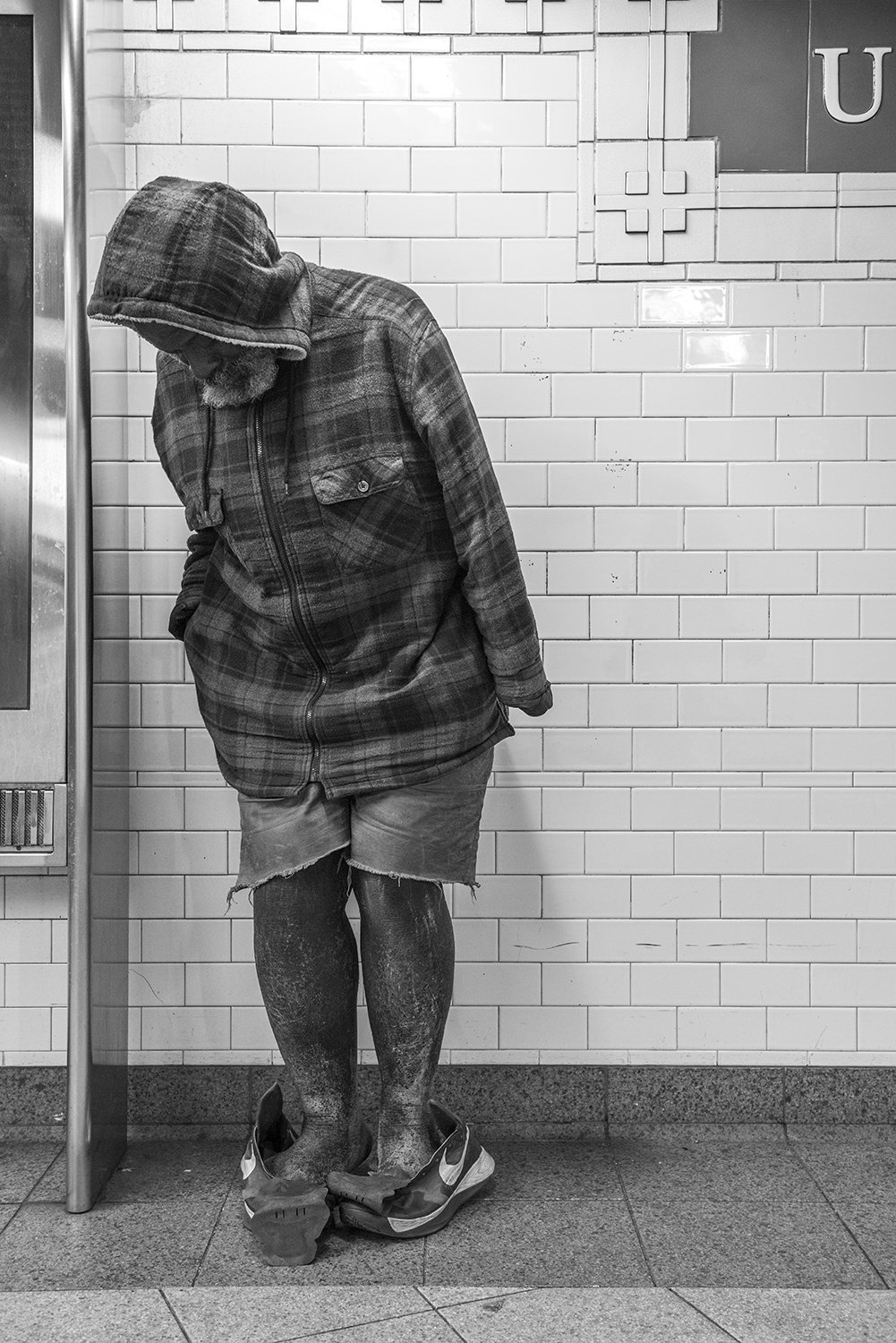
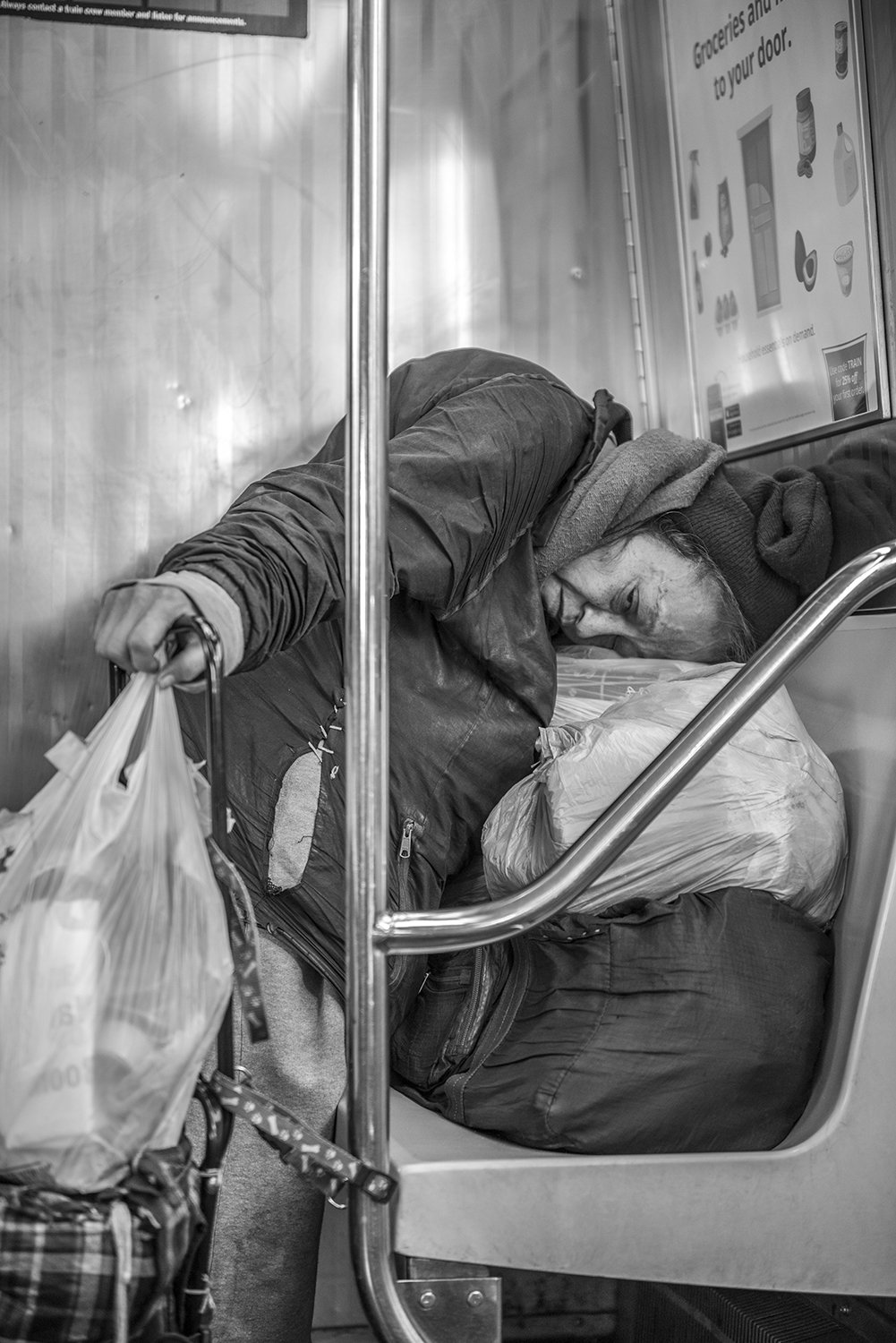
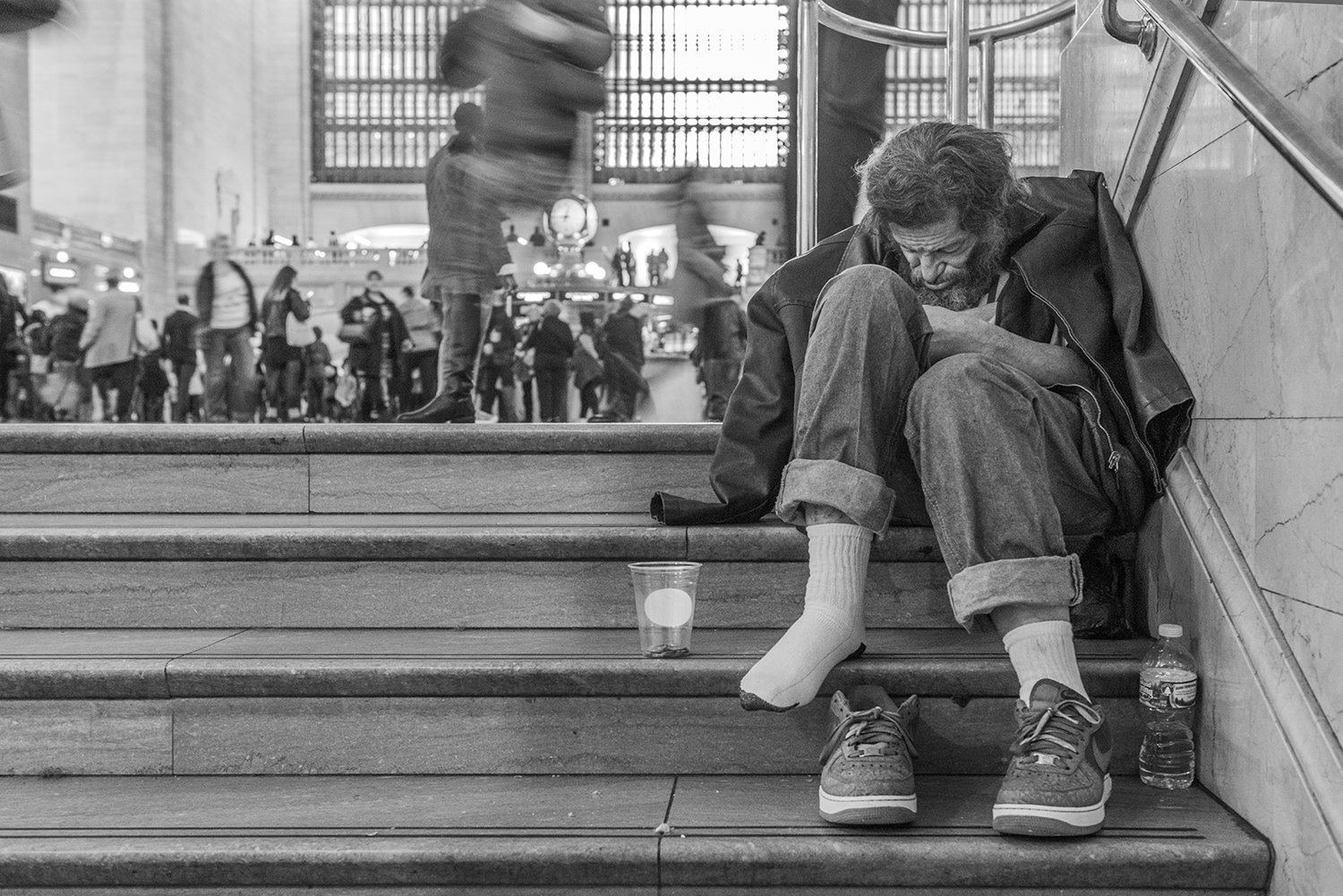
The homeless have just one thing in common: they lack a home. Some have fallen on hard times; others are mentally ill; yet more are ill-equipped for change, when it comes; and another group chooses homelessness to buck “the system”.
I photograph the homeless quite often both to humanize the subjects and to remind us of the tragedy on our doorstep.
Whether it’s Diane, Zaaa, or Prince Hosea ben Judah—the Rastafarian, djembe-playing man who was pushed onto a subway track, and lost a leg and two fingers in the process—but for a turn of luck, we could be them.
© Anthony Fieldman. All Rights Reserved.
For information about availability, editions and prints, contact anthony@nomadecivilisee.com
Statement
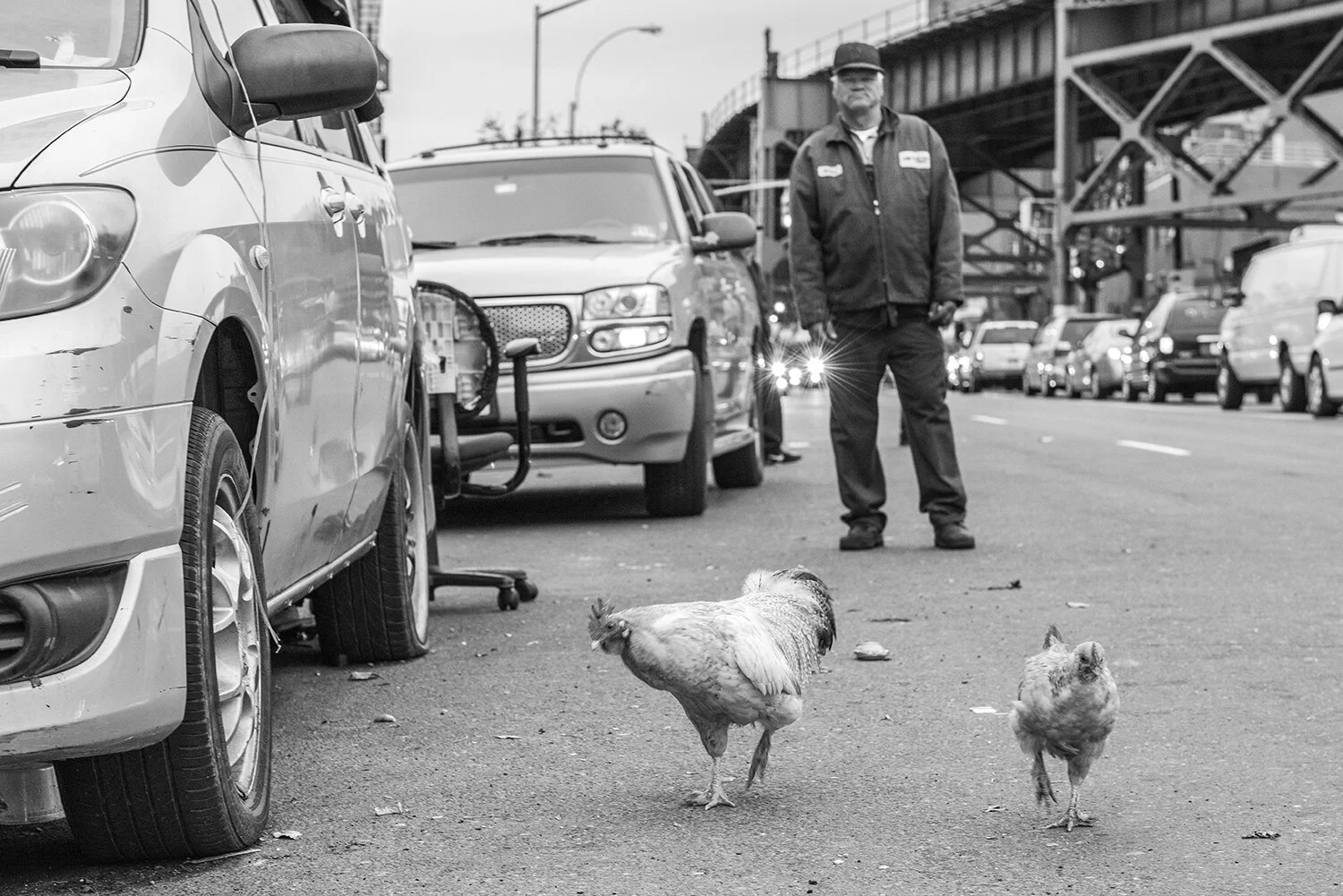
New York City is by some measures the world’s most diverse city, with more than 800 languages spoken by people hailing from over 190 countries.
And yet, when most people think of New York, it's the well-trod centers of tourism and media that spring to mind: the Empire State Building; the Statue of Liberty; Broadway; Times Square; Wall Street...
“Real” New York is far more complex, and largely unknown not only to visitors, but to its own people.
In truth, the city is huge: over 300 square miles over five non-contiguous boroughs, comprising countless enclaves whose residents rarely leave the place where their language and customs are shared. These are effectively cities within the city, and they are fascinating. Little Liberia and Little Manila are but two among hundreds of such places.
The series title, The Color of New York, is intentionally sardonic. First, there is no single color here, as one of the globe’s most colorful places. And second, I chose black and white because it is both raw and timeless. This way, the faces, textures, expressions and moods come through with less distraction.
© Anthony Fieldman. All Rights Reserved.
For information about availability, editions and prints, contact anthony@nomadecivilisee.com
Statement
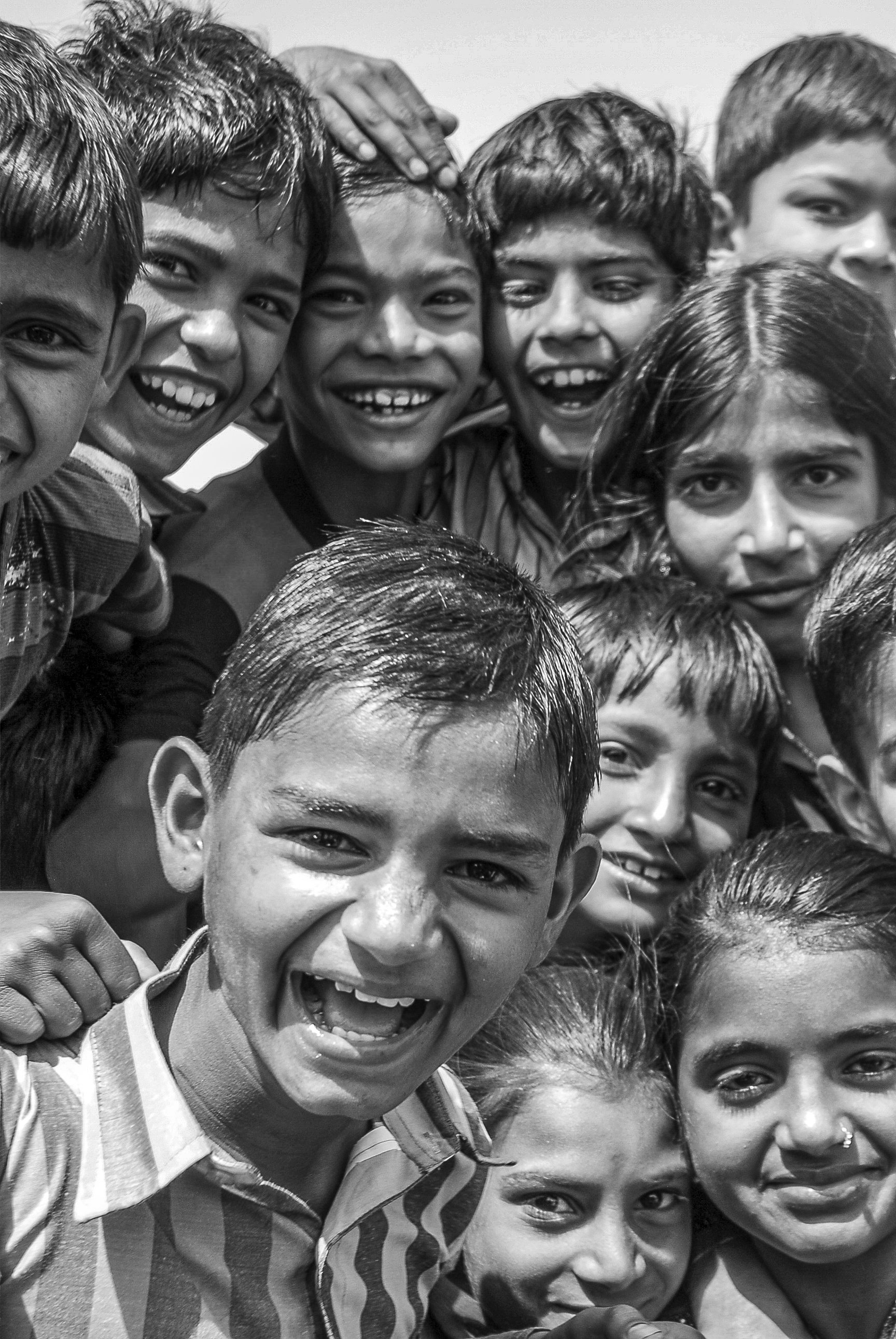
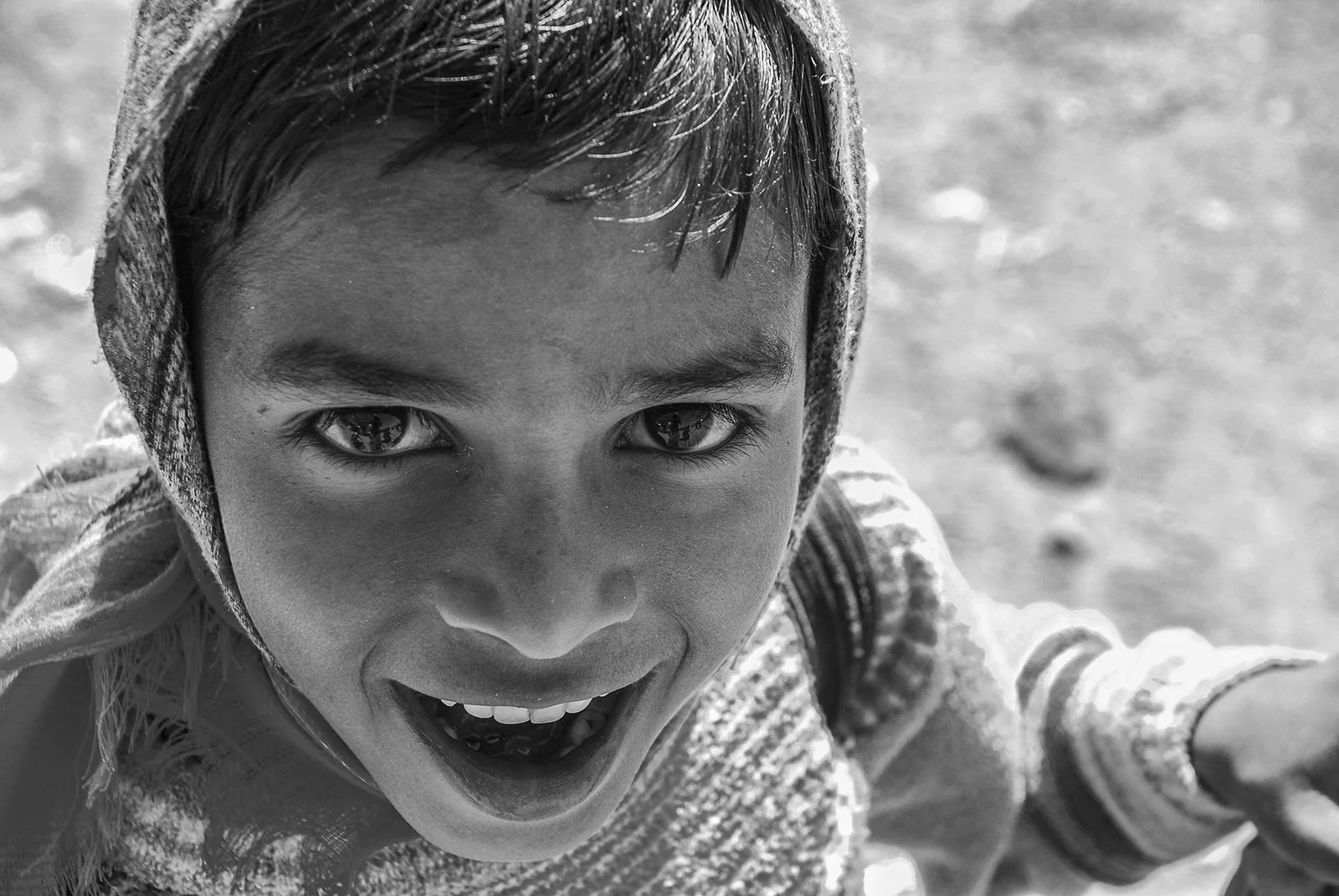
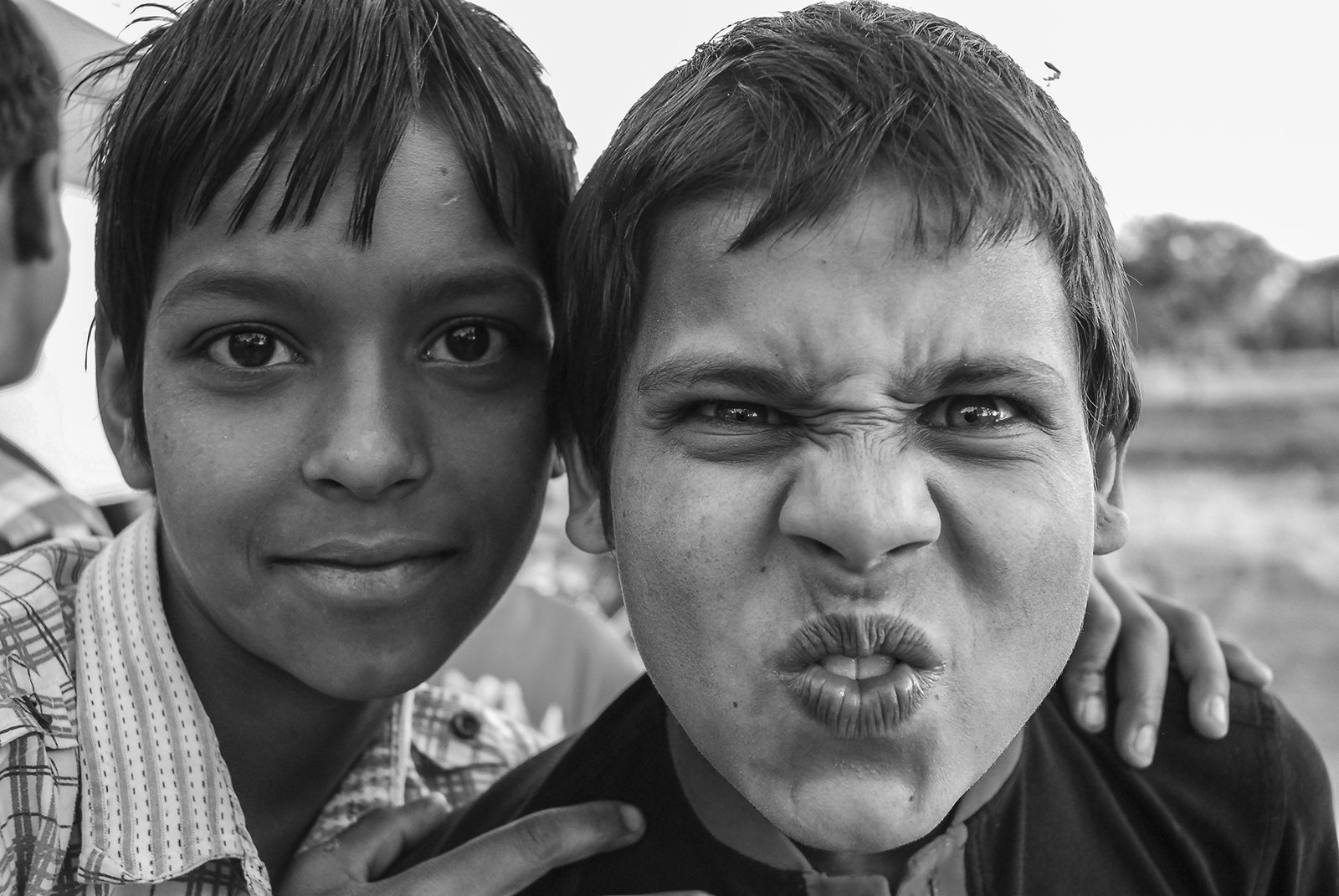
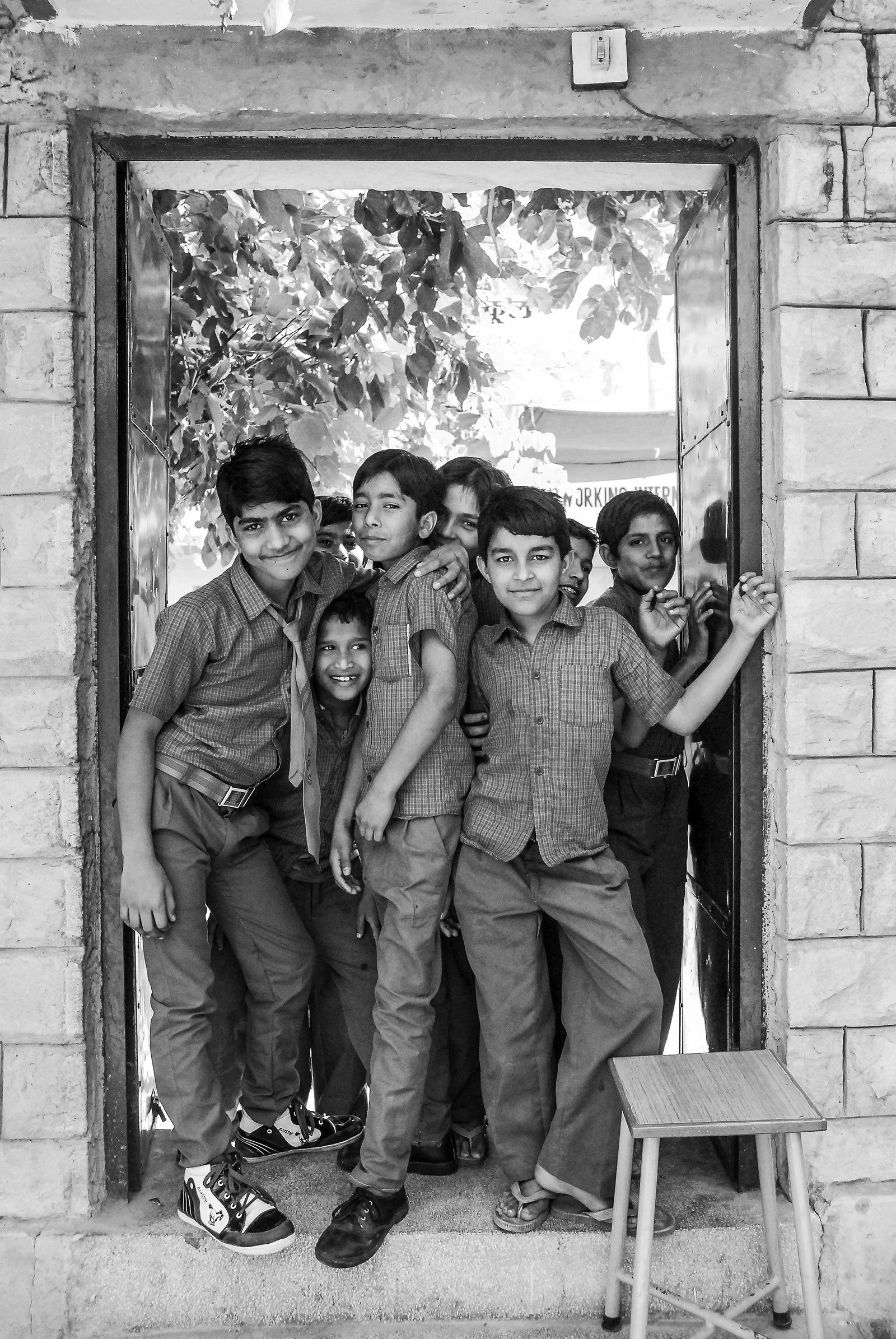
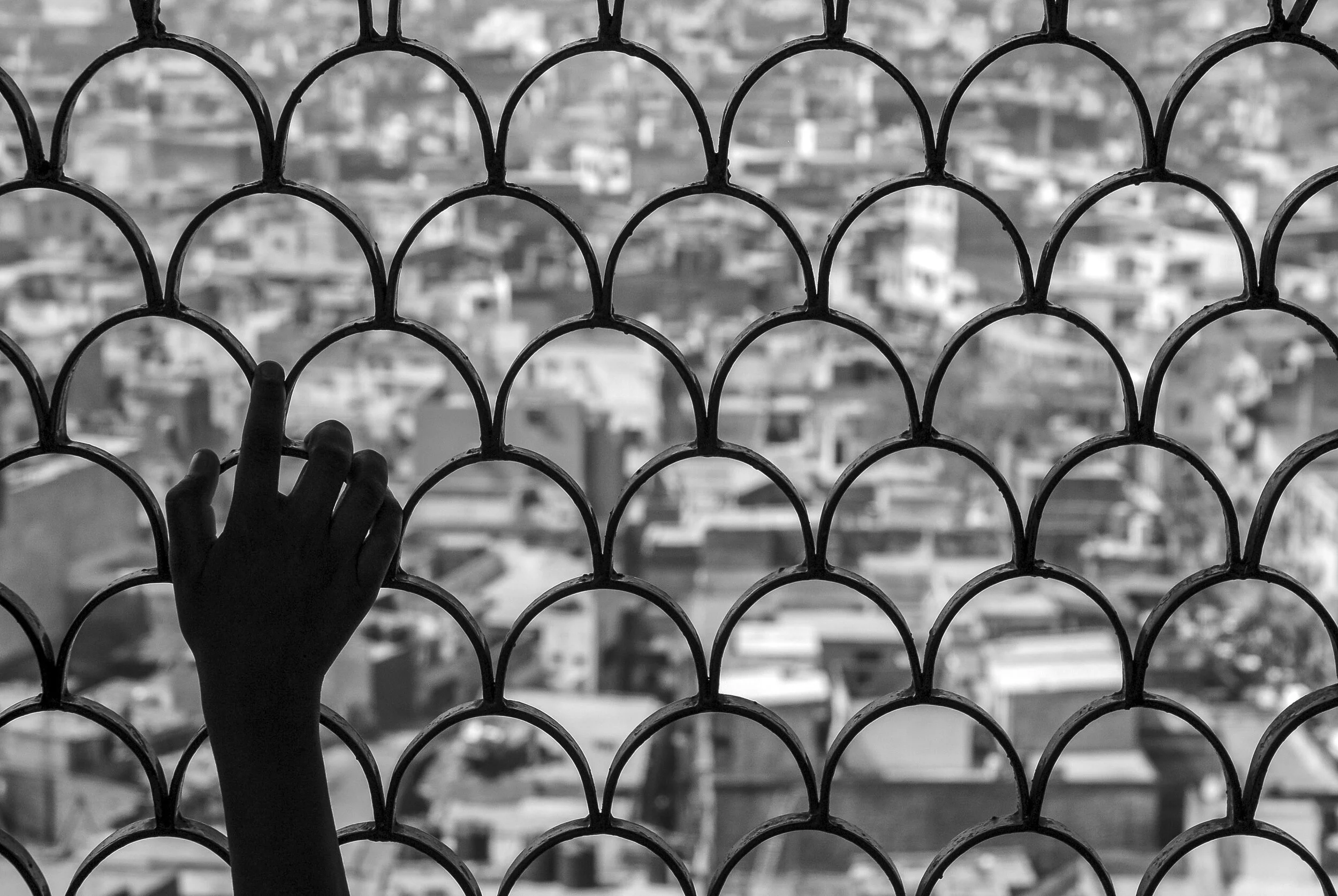
There is a good reason it is referred to as a sub-continent. India is unequaled in complexity, fueled by density, history and lifestyle. It is impossible not to be overwhelmed by sounds, sights and smells walking or driving through its landscape.
While I only explored one corner—Rajasthan—in this series, its villages and highways proved as active as towns and cities. Impromptu parades and festivities, roadside attractions, vendors, farming communities, temples and monuments were all a non-stop feast for the senses.
© Anthony Fieldman. All Rights Reserved.
For information about availability, editions and prints, contact anthony@nomadecivilisee.com
Statement
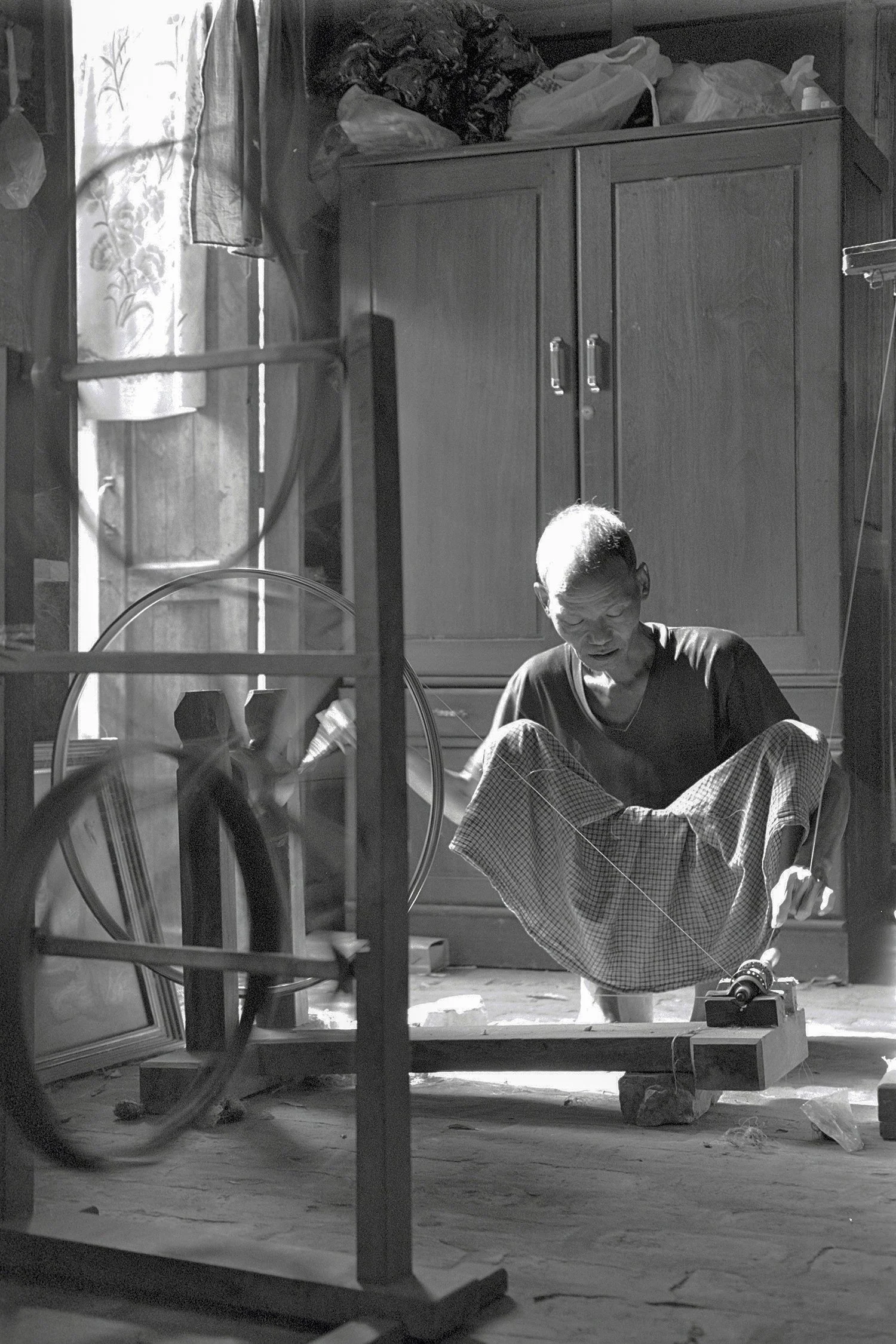
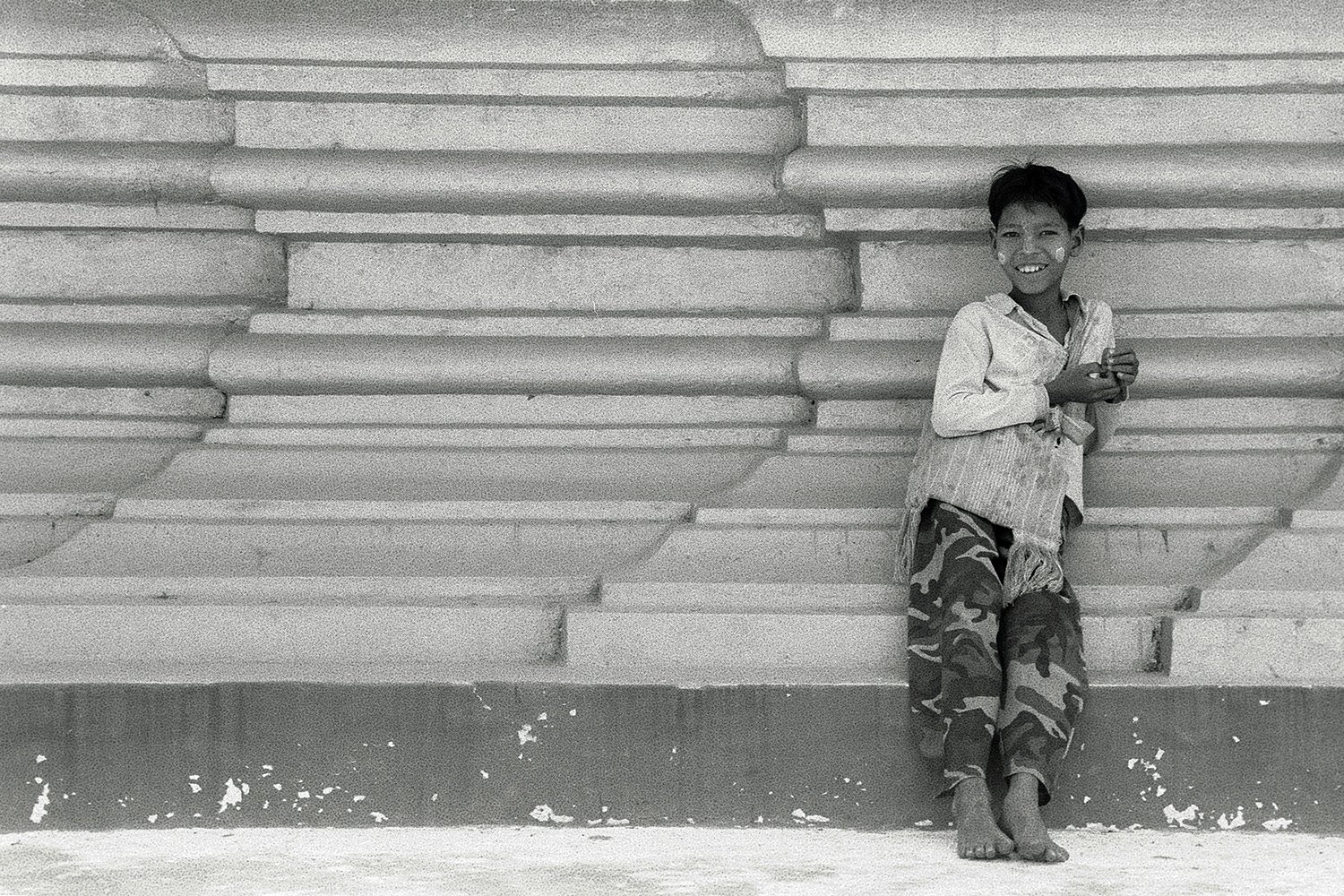
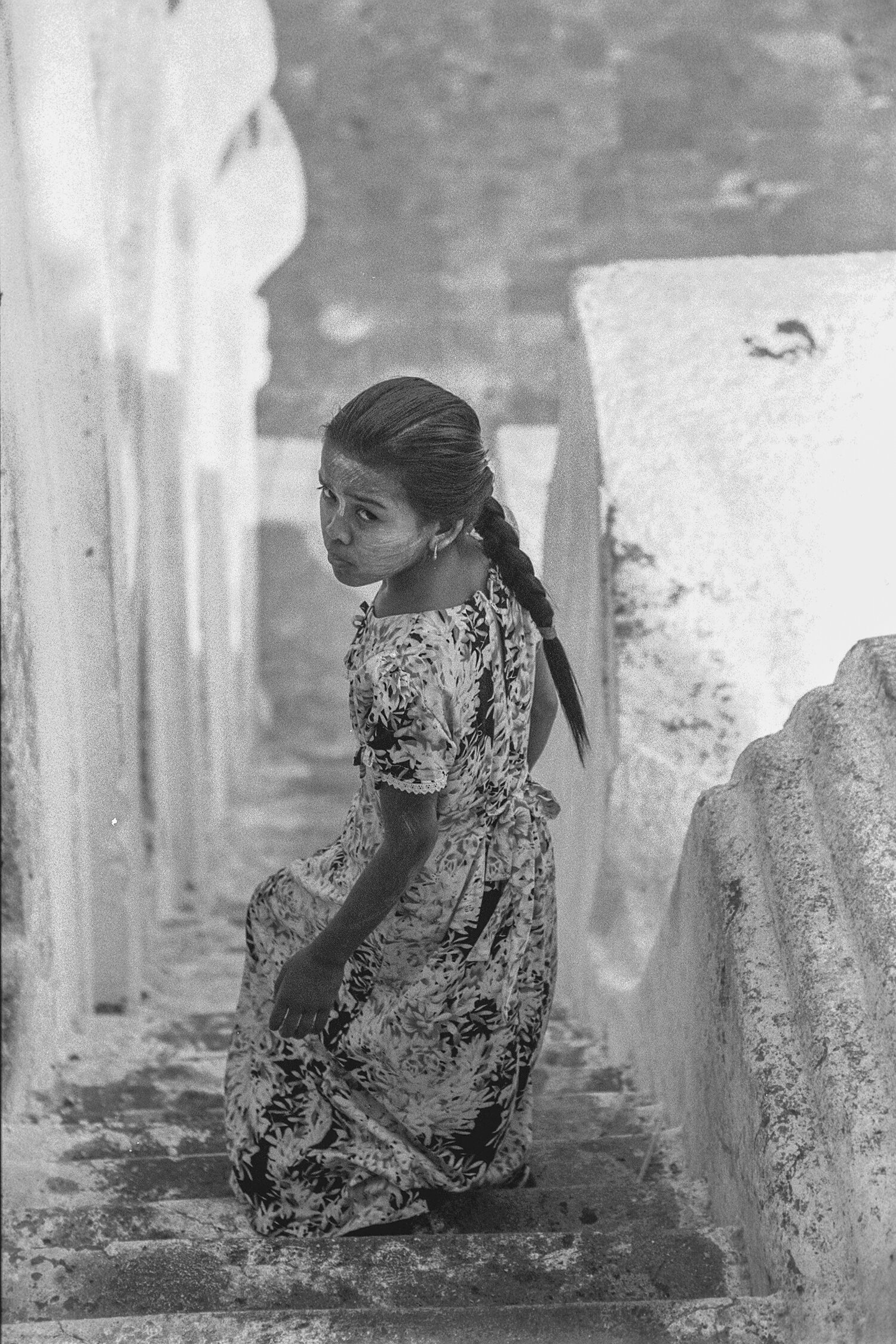
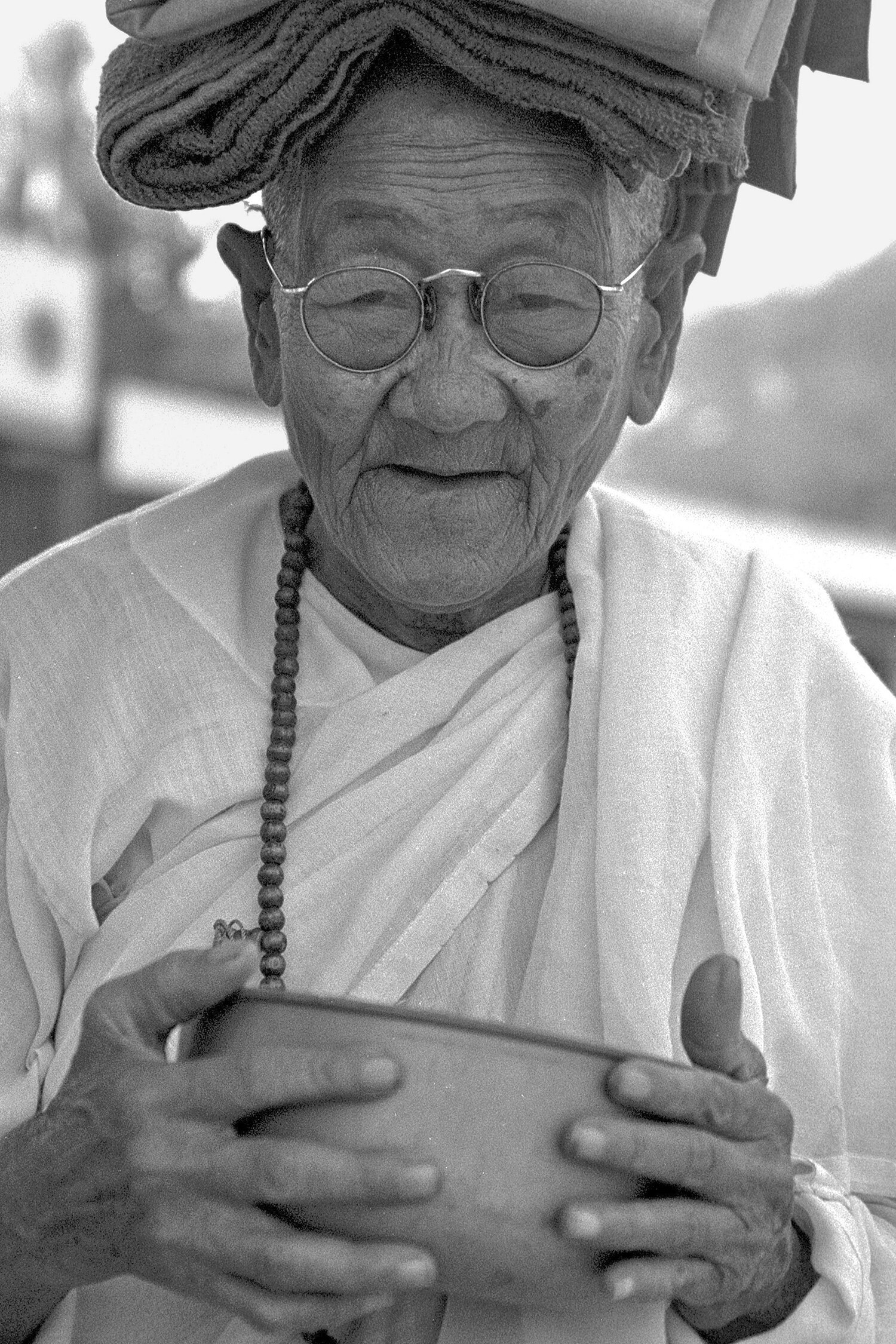
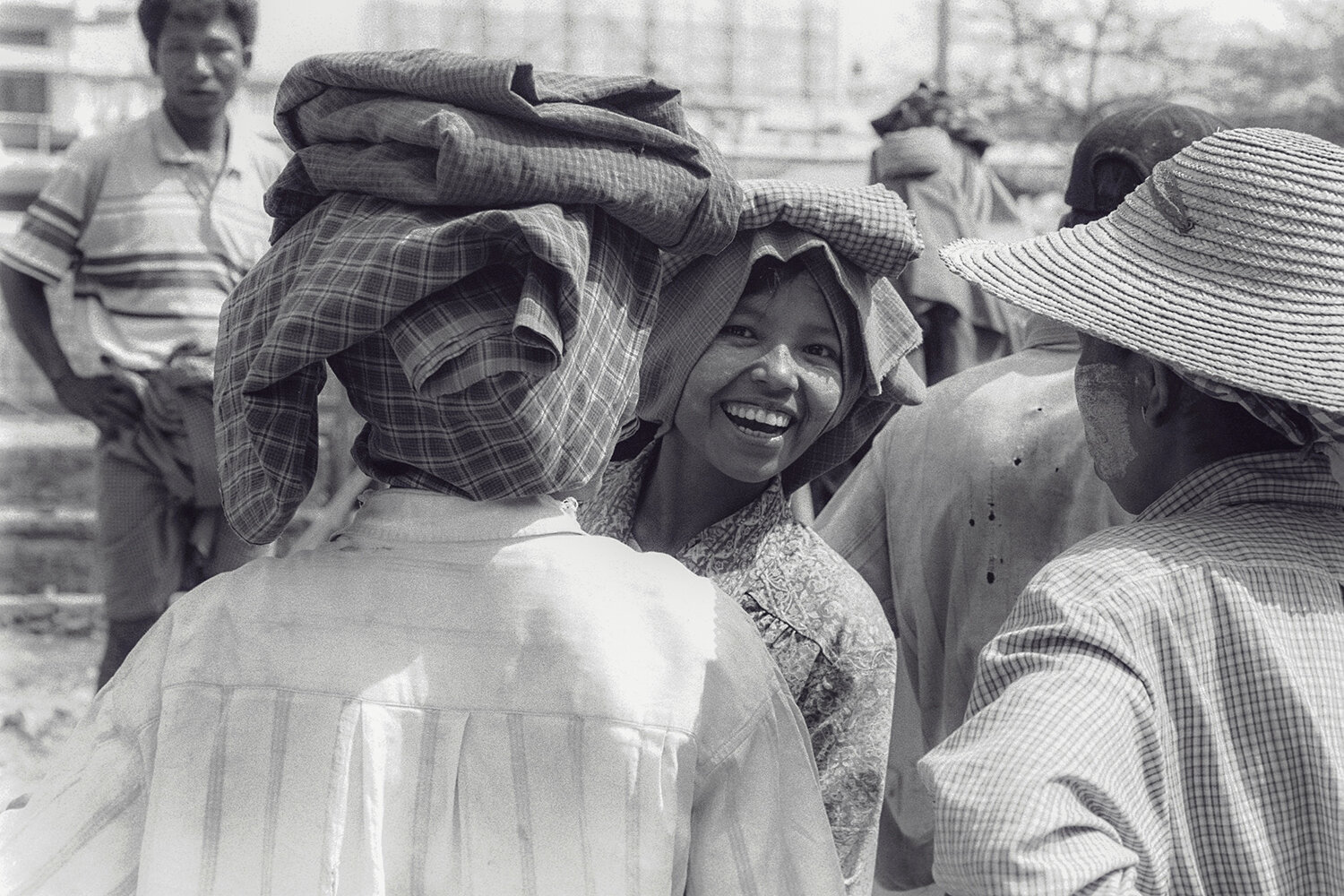
I was first attracted to Burma—renamed Myanmar by the ruling military junta, and still rejected by many Burmese—because it was isolated from the global economy. At the time that I went, it was the only country on Earth that was economically sanctioned by every other, apart from nearby Singapore.
That meant that there were no banks; no credit; no means of communicating easily with the outside; and accordingly, no tourism.
Walking through the streets of Mandalay or Yangon, or the archeological sites of Mingun and Bagan, or the mighty Irrawady River around which life in Burma thrives, I was blissfully ignored, but for my ‘otherness’. The citizens there hadn’t yet corrupted their relationships with outsiders. Elsewhere, tourists are seen as walking wallets. Not so in Burma. I was engaged, but mostly left alone as I walked.
The most Buddhist country on Earth is also largely the most peaceful. But like anywhere else, there is corruption, mostly in the form of its military and government.
Burma is an exquisite place full of beautiful humans.
© Anthony Fieldman. All Rights Reserved.
For information about availability, editions and prints, contact anthony@nomadecivilisee.com